


Ancient Mughal tradition of pigeon-rearing thrives in India’s capital
- The birds are then fed and trained to fly in different formations, and are sometimes raced, as men cheer them on
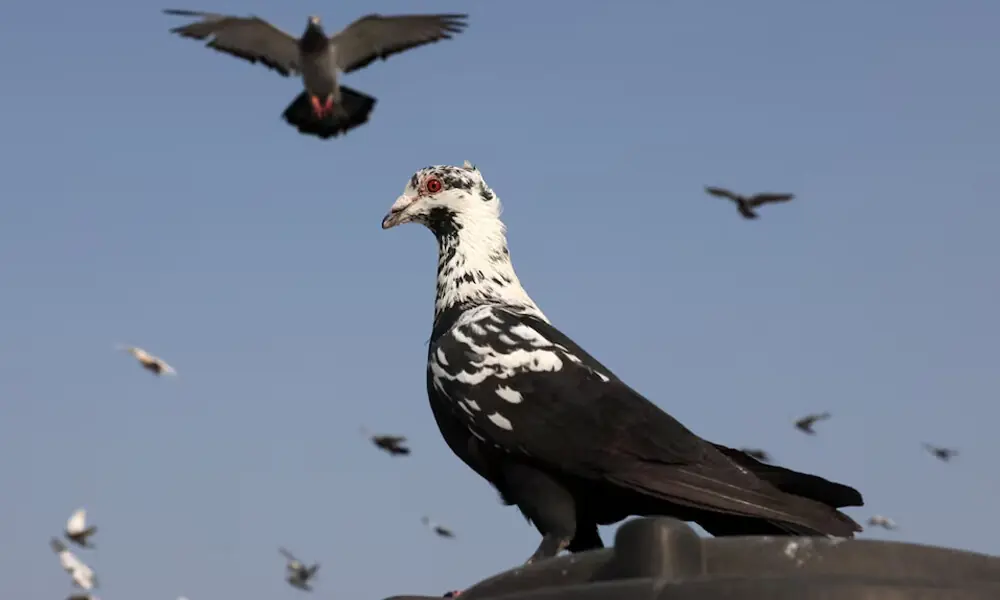

NEW DELHI: In the heart of India’s capital city New Delhi, a few men are practising the ancient Mughal tradition of pigeon-rearing, training the birds to navigate long distances, as they preserve a skill passed on for generations.
Every day, among the packed lanes near the Jama Masjid, in the old part of the city and a few kilometers away from its toniest areas, Azhar Udeen, 30, gathers with his younger brother and friends at his terrace, letting more than 120 pigeons of various breeds out of their cages.
The birds are then fed and trained to fly in different formations, and are sometimes raced, as men cheer them on.
“I saw my grandfather doing this when I was a child, and after I grew up, I watched and learned from my ustad (teacher)”, Udeen told Reuters.
Kabootarbaazi, as the tradition is known, comes from the Hindi/Urdu word for pigeon, and was patronised by the many Mughal kings who ruled in India, when men kept a flock, taught them to fly in formation, and used them as messengers.
Training the birds how to fly straight against the wind and return after covering a long distance takes nearly four months, and involves beating a whip against a hard surface to create loud sounds that will scare the birds into flying farther out, the trainers said.
For many, the rooftop gatherings are as important as the flying itself. Practitioners describe kabootarbaazi as a stress reliever that creates a pocket of calm and community in a crowded city.
“We sit with our friends and students, and all the tensions from our work or homes, all of it disappears and that’s what the main intention behind pigeon keeping is,” Kahlifa Mohsin, another pigeon-keeper, said.


























Comments