


Pakistan govt defends ‘calibrated’ fuel price hike
- Govt increased petrol, diesel prices by Rs55 per litre each earlier this month
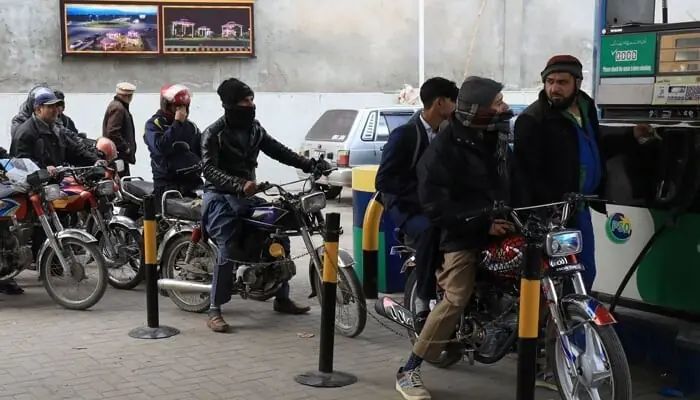

Pakistan’s fuel price increase remain significantly lower than those seen globally despite a rise in petroleum product (POL) rates, the government said on Tuesday.
Earlier this month, the government announced a hike of Rs55 per litre in the prices of petrol and diesel in line with increasing international oil prices.
In a post on social media platform X, Advisor to the Finance Minister Khurram Schehzad noted that fuel prices have risen sharply across both developed and emerging economies in recent weeks.
“Diesel and petrol price increases globally are significantly higher, with several countries witnessing increases of 27–71% versus Pakistan’s 22-24%,” said the official.
He added that many countries have passed on global price shocks aggressively, particularly in emerging markets. In contrast, Pakistan’s remain “relatively calibrated, balancing fiscal sustainability with protecting the public”.
PM bans use of high-octane fuel in govt vehicles
Schehzad highlighted that the tax burden on petroleum products in Pakistan remains lower than the regional average.
The overall retail tax on pol products stands at around 25%, including approximately 16% on diesel and 33% on petrol, compared to a regional average of about 35%. Moreover, Pakistan currently imposes ‘zero’ general sales tax (GST) on fuel, compared with a standard rate of 18%.
“The broader trend highlights limited global space for prolonged subsidies, with most economies moving towards price rationalisation,” he said.
Against this backdrop, “Pakistan’s adjustments remain comparatively moderate, reflecting a calibrated approach while balancing fiscal sustainability and public impact”, the advisor maintained.
Oil prices have surged well above the $100 per barrel on account of escalating tensions between Iran, the US and Israel.
The International Energy Agency Executive Director Fatih Birol said on Monday that it is consulting Asian and European governments on possible further releases of strategic reserves “if necessary”.
Oil executives and energy ministers at a conference in Houston warned of the longer‑term impact of the US–Israel war with Iran on the global economy, though U.S. Energy Secretary Chris Wright downplayed the crisis.

























Comments
Comments are closed for this article.