


Dollar poised for rally as escalating Middle East conflict spurs haven demand
- The dollar index, which measures the greenback against a basket of currencies, rose 0.03% to 99.53
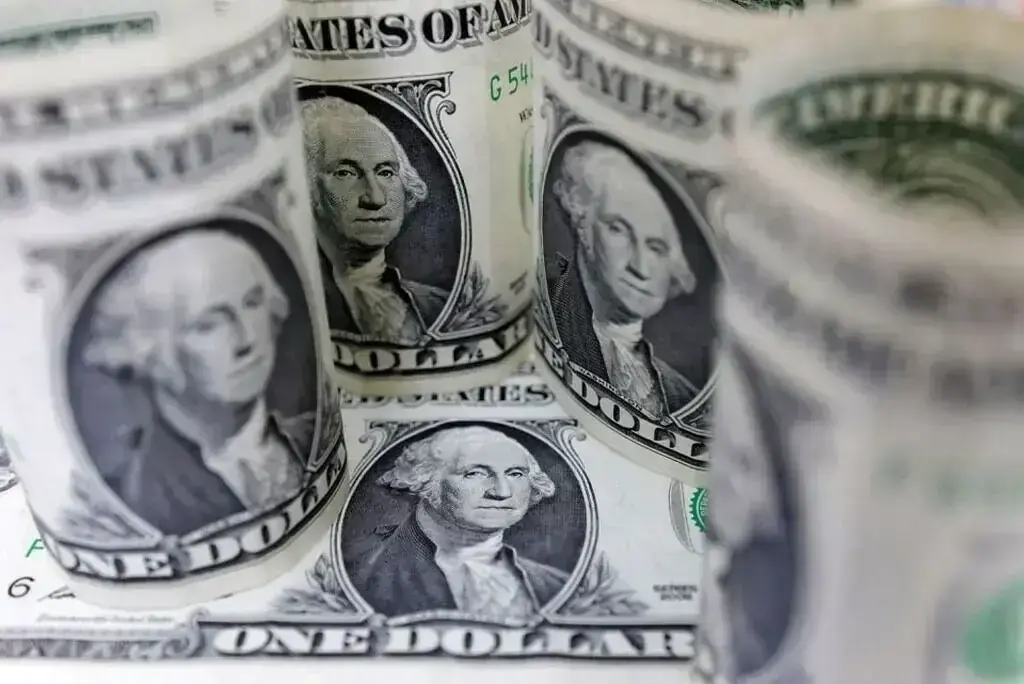

TOKYO: The dollar was poised for a rebound on Monday as retaliatory threats escalated in the Middle East crisis, damping risk sentiment and boosting demand for haven assets.
The greenback on Friday closed out its first weekly decline since the start of the war in Iran, as the effect of surging oil prices on inflation prompted central banks to turn hawkish.
The Australian dollar slid in early trade as equity markets looked to open lower.
Hopes for an off-ramp to hostilities in the Gulf region dimmed over the weekend, with US President Donald Trump threatening to strike Iran’s electricity grid and Tehran vowing to hit back at the energy and water systems of its neighbours.
“The market’s going with the idea that those countries and
economies that enjoy a positive supply shock from energy are likely to perform better than those that are suffering from a negative supply shock,“ Rodrigo Catril, a currency strategist at National Australia Bank, said on a podcast.
“So you’re seeing the euro and the yen struggling to perform. And again, if this conflict proves long-lasting, you would think that those are the currencies that are likely to suffer a bit more.”
US weighs military reinforcements as Iran war enters possible new phase
The dollar index, which measures the greenback against a basket of currencies, rose 0.03% to 99.53.
The euro slid 0.06% to $1.1563.
The yen rose 0.06% to 159.11 per dollar, and sterling weakened 0.06% to $1.3331.
Trump issued his latest threat to Iran on Saturday evening, less than a day after signaling the US might be considering winding down the conflict.
Iran pledged retaliatory strikes on infrastructure in nearby countries and that the Strait of Hormuz shipping lane for oil would remain closed.
The prospect of tit-for-tat strikes on civilian infrastructure in the region threatens the livelihoods of millions of people who rely on desalination plants for water.
Air raid sirens sounded across Israel from the early hours of Sunday, warning of incoming missiles from Iran.
Before the US-Israeli war on Iran began in late February, investors had priced in two cuts by the Federal Reserve this year.
But they now largely believe one cut is a distant prospect, and other major central banks are turning more hawkish.
The Fed left rates on hold as expected last week, but Chair Jerome Powell said it was too soon to know the scope and duration of the economic impact from the war.
The European Central Bank kept rates on hold on Thursday, but warned of inflation driven by energy prices.
The Bank of England also kept rates on hold, while the Bank of Japan left the door open to a hike as soon as April.
Equity futures pointed to a plunge in Japan’s Nikkei, while 10-year US Treasury yields rose to a near eight-month high of 4.4055%.
The Australian dollar weakened 0.17% versus the greenback to $0.7011.
New Zealand’s kiwi edged 0.03% lower to $0.5832. In cryptocurrencies, bitcoin fell 0.41% to $67,900.41, and ether declined 0.26% to $2,053.17.


























Comments
Comments are closed for this article.