


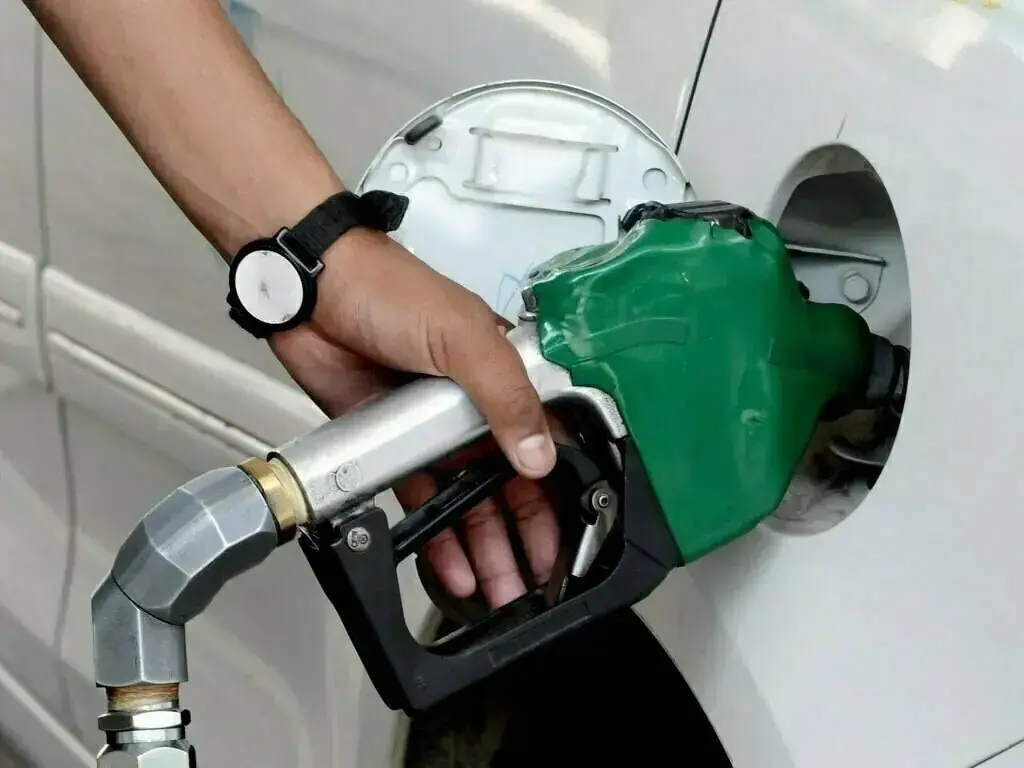
EDITORIAL: A Business Recorder exclusive citing an official document has revealed that the government may absorb any increase in the international prices of petrol and high speed diesel post-14 March through a 23 billion-rupee subsidy from funds generated through the implementation of the Prime Minister’s austerity package announced last week.
The package consists of a number of measures including (i) 50 percent of government employees to work from home on a rotating basis (with a suggestion that the private sector follow suit though key sectors notably banking have been given an exemption), (ii) 60 percent of all vehicles at both federal and provincial level to be grounded with operational vehicles (government buses, ambulances and motorcycles) exempt while the rest would face a 50 percent slash in their fuel allocation, (iii) cabinet members and special assistants would give up salaries for two months while members of the national and provincial assemblies would see a cut of 20 percent in their salaries and allowances, (iv) foreign travel by government officials banned unless in the national interest, and (v) 20 percent cut in development expenditure in the fourth quarter across all federal and provincial departments with savings of 22 billion rupees at the federal level.
Till implementation the austerity package indicates government intent and, needless to add, given that the country is on an extremely harsh upfront International Monetary Fund (IMF) programme concurrence by the Fund staff would have to be sought.
In this context, two other factors bear consideration. First, the government is facing a revenue shortfall of over 657 billion rupees — the second review of the ongoing programme noted a shortfall of 157 billion rupees in petroleum levy collections while the Federal Board of Revenue (FBR) recently acknowledged a 430 billion-rupee shortfall in collections July-February 2026 against the target agreed which, the authorities had pledged to meet through already agreed contingency measures, read higher taxes on some commodities.
And second, the envisaged 20 percent reduction in development expenditure was perhaps already factored in at the time of the budget announcement as has been the case in previous budgets.
This is supported by the fact that July-February the government authorised 558.12 billion rupees out of the total one trillion rupees budgeted for the year while actual disbursement was only 361.27 billion rupees. In other words, this item had already been cut massively from what was budgeted and no doubt was slated for a further cut in any case.
The government did not quantify the amount that it expects to save from each of the austerity measures it proposed; however, the Finance Division got Cabinet approval for setting up a 27.1 billion-rupee austerity fund which would ensure that the envisaged subsidy will be available.
One would, however, hope that this amount would not be a sticking point in the success of the third review staff-level agreement still pending as senior Fund staff have voiced concerns that the ongoing Middle East conflict poses significant risks to the global economy, particularly energy prices, inflation and regional infrastructure; and in the case of Pakistan the GDP growth rate may also be compromised as productivity declines due to fuel shortages.
One would urge the government to fast track diplomatic efforts to access oil shipments from wherever available – including Russia (provided our refineries can process it), with US sanctions lifted for a month, as well as with Iran, which has allowed oil tankers of all those not engaged in supporting the US/Israel in their war with Iran to use the Strait of Hormuz.
Copyright Business Recorder, 2026























Comments
Comments are closed for this article.