


Aggregation, value addition key to unlocking agribusiness export potential
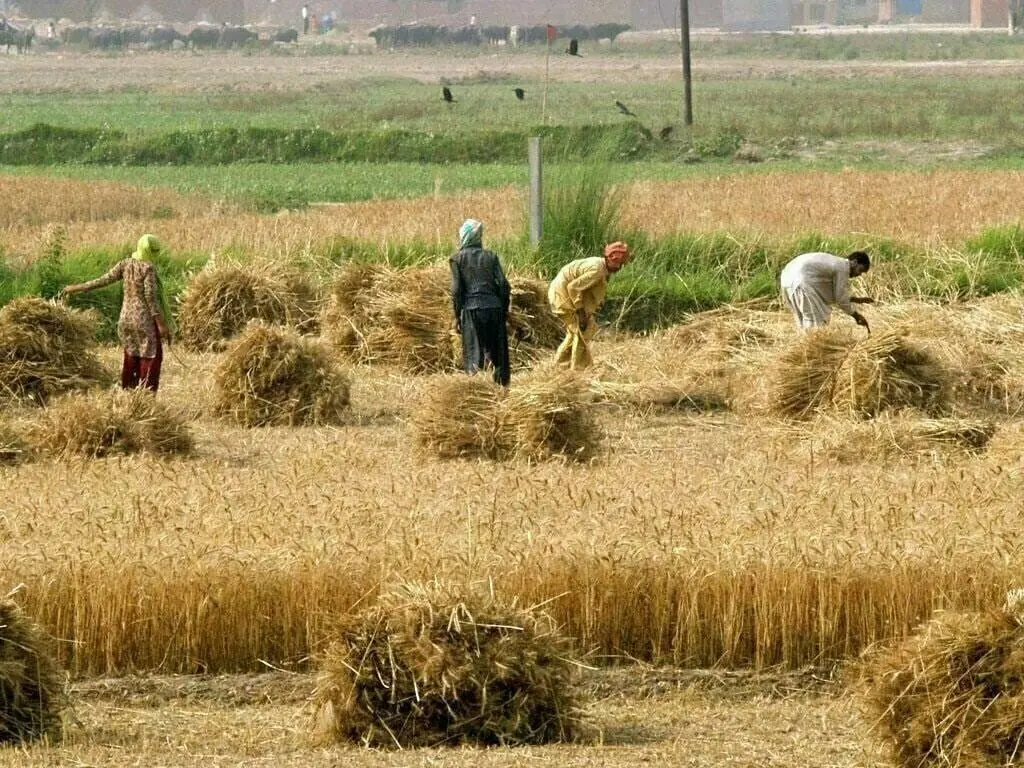

HYDERABAD: Engineers, agribusiness experts, and entrepreneurs are increasingly collaborating to develop innovative solutions that can reduce agricultural wastage and expand Pakistan’s export potential, said Suleman G Abro, Founder and CEO of the Sindh Agricultural and Forestry Workers Coordinating Organisation (SAFWCO), during a ceremony highlighting the EU-backed Growth for Rural Advancement and Sustainable Progress (GRASP) programme.
“Pakistan produces large quantities of fruits and vegetables every year, including mangoes, bananas, onions, and tomatoes. However, due to weak supply chains and limited processing facilities, a considerable portion of this produce goes to waste,” Abro said.
He emphasised that aggregation bringing together produce from multiple farmers, organizing it systematically, and linking it with processing and export markets is central to the initiatives being implemented. “Engineers, agribusiness professionals, and entrepreneurs are now developing systems to collect, process, and convert agricultural produce into value-added products, ultimately connecting farmers with international markets,” he added.
Abro highlighted the growing global demand for processed food products, especially in Europe, and said that Pakistan has tremendous opportunity if its agricultural produce is processed and marketed properly.
He also explained that many agricultural commodities, such as mangoes, bananas, and onions, can reach their full export potential if by-products are utilized effectively. Surplus produce can be converted into pulp, juices, dehydrated products, and other processed items for international markets.
“Modern agricultural machinery and improved farming techniques are also helping farmers increase productivity and improve the quality of their produce,” he said.
Abro said the GRASP programme focuses on strengthening linkages between farmers and industry, enabling agricultural produce to be processed rather than wasted when market demand fluctuates.
“In Pakistan, farmers often suffer losses when market demand declines or there is an oversupply of a crop. Without processing facilities, produce goes to waste,” he said.
To address this, SAFWCO has supported agro-processing initiatives that convert surplus production into market-ready, value-added products. Approximately Rs150 million has been mobilized, with an initial Rs30 million grant helping three industries expand production and improve product quality. The financial model follows a matching grant principle, ensuring entrepreneurs invest alongside grant funding for sustainable business growth.
One flagship initiative is mango value addition, which converts surplus mangoes into juice, frozen pulp, and other processed food items for export. Even mango waste is being converted into by-products, reducing environmental pollution while generating economic value.
The programme has also supported banana and vegetable processing projects, producing chips, powders, and dehydrated ingredients with longer shelf life and better market opportunities.
Abro emphasised that these initiatives aim to strengthen Pakistan’s rural economy, support farmers, create employment, and expand agro-industrial activity. SAFWCO, established in 1986, has long focused on poverty reduction, microfinance, and community empowerment, and initiatives like GRASP demonstrate how collaboration between development organizations, government, and private sector can transform Pakistan’s agriculture.
Copyright Business Recorder, 2026























Comments
Comments are closed for this article.