


Wall Street Week Ahead: AI disruption looms over markets with US jobs data on tap
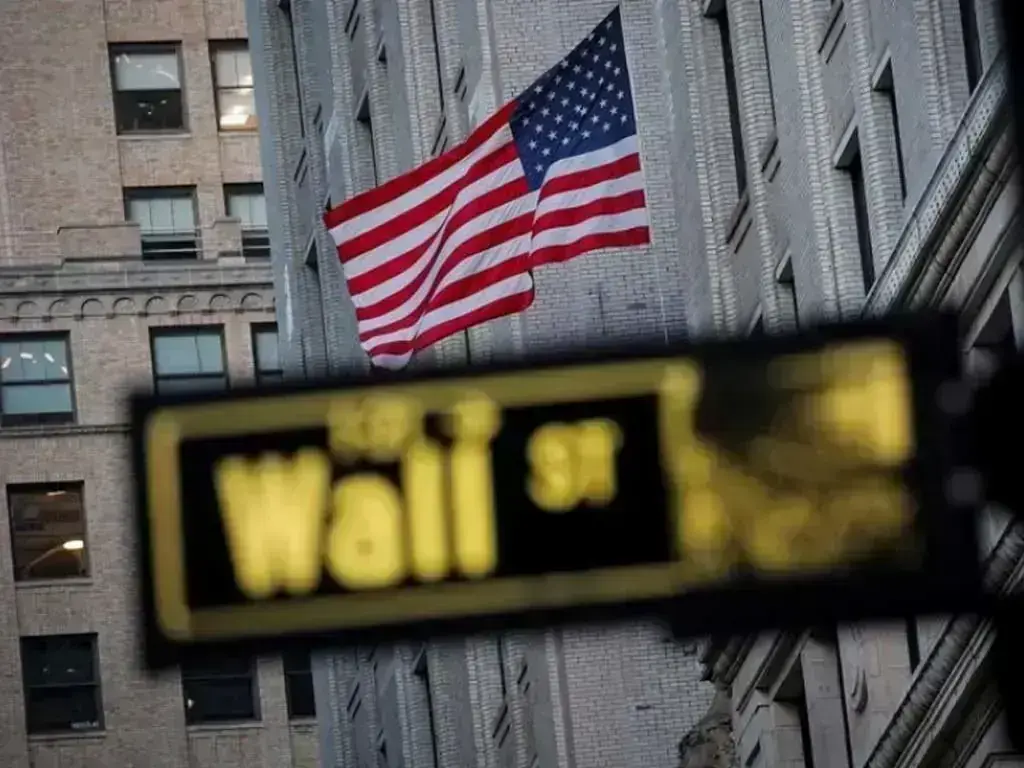

NEW YORK: Prospects for artificial intelligence to disrupt business sectors should keep the US stock market on edge in the coming week, as Wall Street looks for more insight into how the emerging technology will reverberate through the economy.
The monthly US jobs report headlines economic data due next week, while major semiconductor player Broadcom is among the remaining reports that will close out the fourth-quarter earnings season.
The disruptive potential of AI has consumed investors in recent weeks, with shares in industries such as software, wealth management and real estate services pummeled by concerns about business upheaval.
“There continues to be this…back and forth about who might be the victim and those that will actually emerge winners because they are harnessing AI as opposed to being replaced by it,” said Kristina Hooper, chief market strategist at Man Group.
“There is very little definitive right now about that, and so I think that will continue to be a concern.”
Stock prices in areas such as software remain acutely sensitive to AI-related developments. AI bellwether Nvidia’s highly anticipated quarterly report failed to calm nerves, with the semiconductor giant’s shares falling over 5 percent on Thursday and weighing on the technology sector.
Investors are concerned about whether Nvidia’s “hyperscaler” customers will garner sufficient returns to justify their massive spending on data centers and other infrastructure.
Despite the tech sector’s struggles, gains this year in other areas such as industrials and consumer staples have helped buoy major equity indexes. The benchmark S&P 500 was up 0.9 percent in 2026 as of Thursday.
“The US equity market is sort of in its late cycle, trying to find the winners and losers of this new disruptive technology and pretty much treading water,” said John Velis, Americas macro strategist at BNY.
The US jobs report for February, due on March 6, is expected to show an increase of 60,000 jobs, according to a Reuters poll. It comes after January’s surprisingly robust report, with an increase of 130,000 jobs and the unemployment rate falling to 4.3 percent.
The January report allayed worries about a weakening labor market, but “the concern is that January is a one-off,” said Paul Nolte, senior wealth adviser and market strategist at Murphy & Sylvest Wealth Management.
“We saw a good January jobs report, but we also have seen a really weak 2025 for the job market,” Hooper said. “And so the question becomes, where do we go from here?”
Investors will also seek clues from the report about when the Federal Reserve may next cut interest rates. Fed funds futures suggest the next reduction will come in June or July, after Fed Chair Jerome Powell’s term ends in May and his nominated replacement Kevin Warsh could be in charge.
The Fed cut rates last year in the face of a weakening employment backdrop but paused the easing cycle in January, and solid jobs data could prompt investors to push back their expectations for further cuts. Investors generally associate lower interest rates with higher prices for stocks and other assets.
BNY’s Velis said the market’s reaction to the jobs data will be telling for which factors are prominent for equity investors.


























Comments
Comments are closed for this article.