


Oil gains 3% as Russia-Ukraine talks abruptly end, Iran-US tensions support
- Brent crude oil futures up $1.96, or 2.9%, to $69.38 a barrel
- US WTI crude gains $1.75, or 2.8%, to $64.08
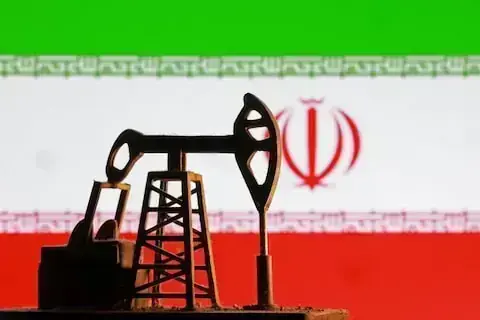

LONDON: Oil prices gained nearly 3% on Wednesday after peace talks between Ukraine and Russia in Geneva ended after only two hours and as investor concerns persisted about the prospect of conflict between the U.S. and Iran.
The U.S.-mediated talks over Ukraine in Switzerland took place as U.S. President Donald Trump has twice in recent days suggested it was up to Ukraine to take steps to ensure their success. President Volodymyr Zelenskiy described them as “difficult.”
Brent crude oil futures were up $1.96, or 2.9%, to $69.38 a barrel at 1440 GMT, while U.S. West Texas Intermediate (WTI) crude gained $1.75, or 2.8%, to $64.08. Both contracts fell to two-week lows on Tuesday.
“Neither of the geopolitical negotiations shows any tangible progress,” Tamas Varga of oil broker PVM told Reuters, referring to Ukraine and Iran. “It is understandable that yesterday’s dip was viewed as a buying opportunity.”
Oil’s drop on Tuesday arose from hopes that tensions between the United States and Iran were easing after Iran’s foreign minister said the countries had reached an understanding on the main “guiding principles” of their nuclear talks.
But on Wednesday, the Iranian semi-official Fars news agency reported that Iran and Russia will conduct navy drills in the Sea of Oman and the northern Indian Ocean on Thursday, a few days after Revolutionary Guards conducted military drills in the Strait of Hormuz.
Just as the talks began on Tuesday, Iranian state media said Iran was temporarily shutting parts of the Strait of Hormuz, a vital global oil supply route, due to “security precautions” while its elite Revolutionary Guards conducted military drills there. Later, state media said the strait had been shut for a few hours, without making it clear if it had fully reopened.
“Iran knows Trump’s negotiation tactics now. It also knows that a disruption in oil exports out of the Strait of Hormuz and a rally in the oil price to $150 per barrel is the very last thing Trump wants,” said SEB chief commodities analyst Bjarne Schieldrop in a note. “Iran has time to negotiate in calmness.”
Political consultancy Eurasia Group said in a Tuesday note to clients that it thinks there is a 65% probability of U.S. military strikes against Iran by the end of April.
U.S. oil inventory reports from the American Petroleum Institute, due later in the day, and from the Energy Information Administration on Thursday will also be in focus. Analysts polled by Reuters expect U.S. crude stockpiles likely rose last week.


























Comments
Comments are closed for this article.