


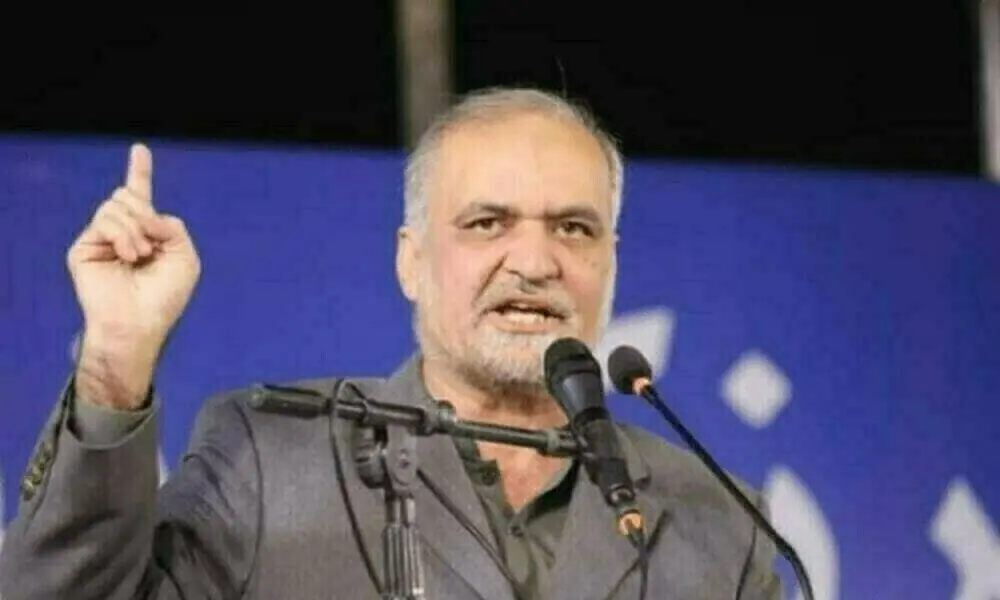

LAHORE: The Central Majlis-e-Shura of Jamaat-e-Islami Pakistan has expressed grave concern over the country’s worsening political, constitutional, economic, and security crises, warning that laws and administrative measures in contradiction with the constitution, Quran, and sunnah are distorting Pakistan’s ideological identity.
In a unanimously adopted resolution at its meeting headed by JI Chief Hafiz Naeem-ur-Rehman in Lahore, the Shura stated that persistent political instability has become the root cause of growing disorder across all spheres of life. It condemned the erosion of constitutional governance, denial of democratic rights, manipulation of elections, and the continued absence of empowered local government systems, calling these developments serious constitutional violations.The Shura highlighted the deteriorating security situation, particularly the surge in terrorist incidents in Khyber Pakhtunkhwa, Balochistan, and Islamabad, including recent suicide attacks. It said that repeated acts of terrorism, worsening law and order, and ineffective governance have left citizens insecure, while economic hardships, unemployment, suicides, crime, and drug abuse are rapidly increasing.
Criticising economic mismanagement, the Shura described corruption, interest-based financial practices, wasteful expenditure, and misuse of public resources as “cancer” for the national economy. It urged a shift toward a self-reliant, corruption-free, and interest-free economic system in line with Islamic principles, with the support of the Federal Shariat Court.
The Shura strongly condemned alleged electoral engineering during the 2024 general elections, describing the manipulation of results through Form-47 as a dangerous precedent that undermines public trust and national stability. It called for transparent, impartial elections and a fully empowered election commission.
On foreign policy, the meeting expressed serious concern over Pakistan’s reported decision to become part of the US-led “Board of Peace,” terming it a deviation from the country’s principled stance on Kashmir and Palestine and from the vision of Quaid-e-Azam. It rejected the move and demanded its immediate withdrawal, calling for a national conference to build consensus on Kashmir and Palestine policies.
The Shura also proposed a comprehensive national agenda for political stability, constitutional supremacy, judicial independence, democratic governance, provincial autonomy, and sustainable peace. It stressed restoration of civil liberties, press freedom, repeal of restrictive laws such as PECA, release of political detainees, recovery of missing persons, and constitutional resolution of inter-provincial disputes.
Addressing women’s issues, the Shura adopted a detailed resolution demanding effective legislation and swift justice to ensure women’s protection as a core responsibility of the state. It emphasized that women, particularly young girls, represent a vital national resource and should be empowered through education, skill development, digital literacy, and dignified employment opportunities within Islamic values.
The resolution strongly condemned all forms of violence, exploitation, harassment, cyber abuse, and human trafficking targeting women and children. It called for strict cyber laws, specialized digital protection units, and accountability mechanisms to counter online harassment, blackmailing, deep fake abuse, and moral exploitation.
The Shura urged policy reforms to safeguard the family system, promote ethical education, improve maternal and mental healthcare, and ensure women’s meaningful participation in leadership and policymaking. It also demanded reforms in media and educational curricula to project women as dignified individuals rather than commercial objects.
Calling for actionable governance, the resolution recommended clear timelines, budget allocations, monitoring frameworks, and annual reporting to ensure practical implementation of women-focused initiatives.
The Jamaat-e-Islami reaffirmed its commitment to constitutionalism, democracy, social justice, and moral governance, asserting that true national stability can only be achieved through political integrity, economic fairness, and protection of fundamental rights.
Copyright Business Recorder, 2026

























Comments
Comments are closed for this article.