


PM lashes out at Afghanistan for failure to tackle terrorism
- Says 'if they do not care for peace with Pakistan, they should at least show mercy towards their own people and not oppress them'
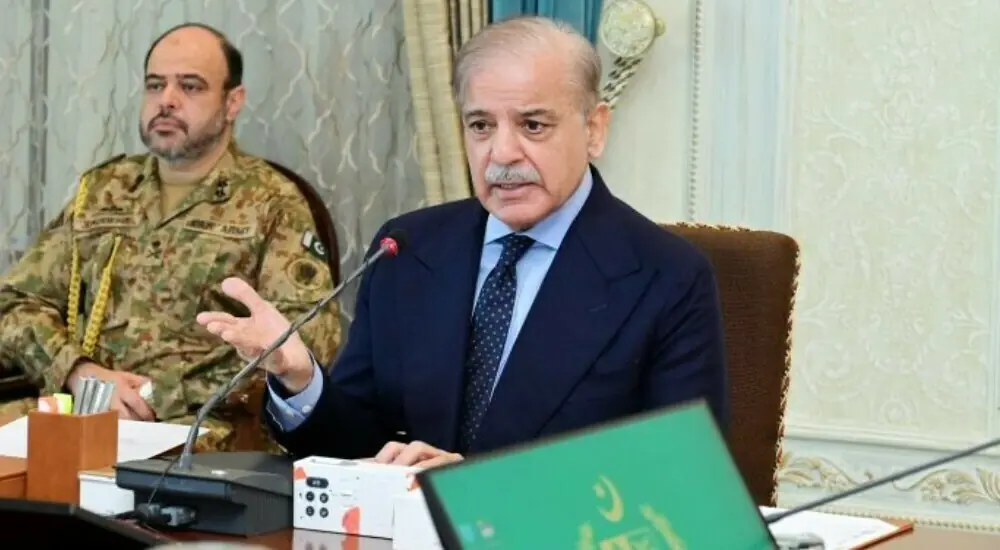

ISLAMABAD: Prime Minister Shehbaz Sharif on Tuesday lashed out at Afghanistan for its failure to tackle terrorism originating from its soil, saying that Pakistan had no choice but to suspend all trade with its neighbour as a result of Kabul’s inaction against terrorists.
The Pak-Afghan border has been closed to trade since mid-October 2025 due to violent clashes, and despite multiple mediation attempts by Turkey and Qatar efforts to establish a counter-terrorism framework have failed as yet.
Speaking at the national workshop on Khyber Pakhtunkhwa, he said there is a complete blockade of Pak-Afghan trade, which should not have happened, but they forced us to take this step.
Expressing frustration with the interim Afghan government’s disregard for peace and stability, he said that it was time for Afghanistan to decide whether it truly seeks peace or not. “If they do not care for peace with Pakistan, they should at least show mercy towards their own people and not oppress them,” he added.
He emphasised the interconnectedness of both countries, saying, “What is good for Afghanistan is good for Pakistan, and vice versa.”
Reflecting on the historical ties between the two nations, he expressed disappointment that both past and present Afghan governments had failed to appreciate Pakistan’s support. “Pakistan did not do a favour to Afghanistan by hosting four million refugees; it fulfilled its responsibilities. But the way we’ve been repaid is deeply upsetting,” he added.
READ MORE: PM asks Kabul to take action against terror groups
PM Sharif also revisited the 2020 Doha Accord, which outlined Afghanistan’s commitment to combating terrorism. “The agreement was clear,” he said, noting Afghanistan’s failure to meet its obligations. “We had one demand: control the terrorist groups operating on your soil, whether the TTP, BLA, or those backed by India. Unfortunately, they made no serious commitment.”
Praising the resilience of KP’s people, he expressed sorrow over the toll the Afghan conflict has exacted on Pakistan, especially in lives lost and sacrifices made. “The impact of the Afghan war is clear,” he said, recalling the millions of refugees Pakistan sheltered. “We welcomed them like family, but what did we get in return,” he asked, highlighting the thousands of Pakistani lives lost to terrorism.
The prime minister noted that by 2018, Pakistan had successfully eradicated terrorism, thanks to the efforts of its security forces and the sacrifices made by the people. “After the Army Public School attack in 2014, there was no distinction between ‘good’ and ‘bad’ Taliban,” he added. “But after 2018, what caused the resurgence of terrorism? We all know the answer.”
He attributed the resurgence of violence to the release of numerous terrorists from Swat and the influx of people from Afghanistan into Pakistan. “This was the main reason terrorism resurfaced in the country,” he claimed, adding that the ongoing violence in Balochistan and KP continues to hamper Pakistan’s development.
PM Sharif also condemned the spread of hatred on social media, saying an evil attempt was being made to tarnish the reputation of the martyrs, with online groups collaborating with Pakistan’s adversaries across the border.
On the issue of KP’s ‘disengaged’ youth, the prime minister rejected accusations of a cold war between the federal government and the KP administration. He noted that he had personally reached out to KP’s Chief Minister, Sohail Afridi, offering full support for the province’s development. However, he lamented that communication had since broken down.
PM Sharif assured that the federal government was fully engaged with the youth, highlighting IT ministry initiatives to upskill them, and emphasised that Pakistan will only develop when all four provinces have an equal part in it.
He also pointed out the development gaps between provinces, particularly KP, stating, “If you compare KP’s progress over the past decade with that of Sindh, Punjab, or Balochistan, the truth becomes clear.”
He noted that while resources were allocated under the NFC Award, development was lacking “in some places, including KP.”
Copyright Business Recorder, 2026




















Comments
Comments are closed for this article.