


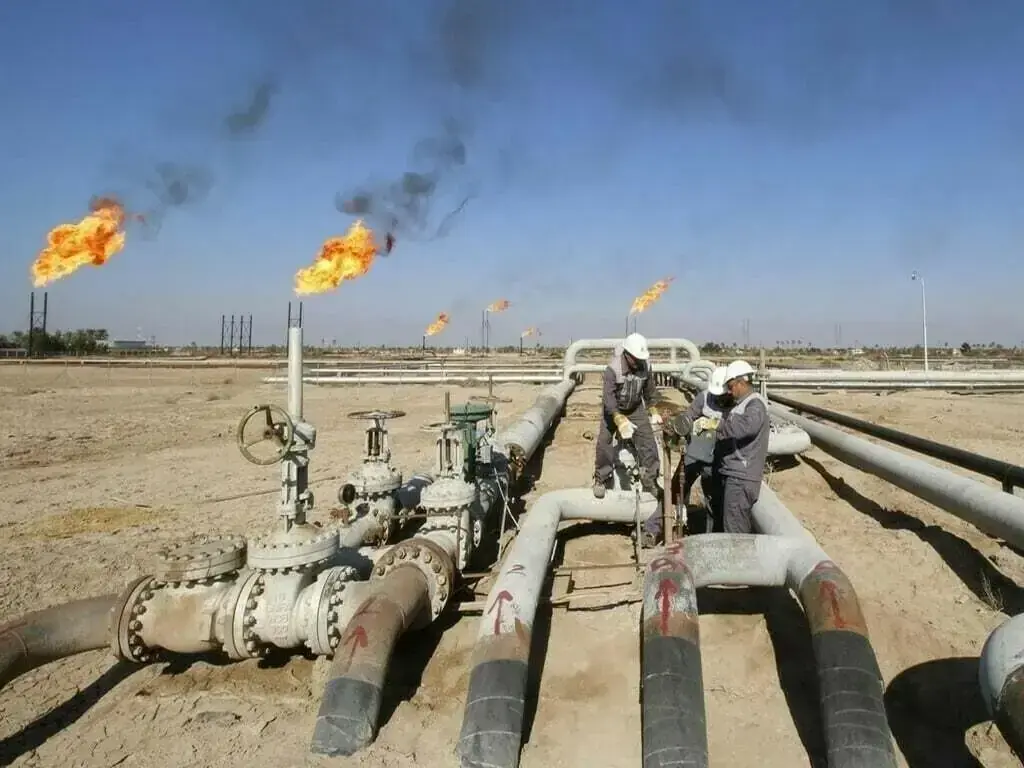

ISLAMABAD: The government is set to introduce a Multi-Year Tariff (MYT) framework for gas utilities, based on regulatory asset base (RAB) and weighted average cost of capital (WACC), alongside new methodologies for Transmission System Operator (TSO), Distribution System Operator (DSO), and Regulated Gas Sales (RGS) during the initial phase, well-informed sources in the Petroleum Division told Business Recorder.
The proposal is part of the “Gas Sector Transition Roadmap,” a comprehensive reform initiative aimed at transforming Pakistan’s gas industry into a financially viable, competitive, and investment-friendly market through the unbundling of public sector gas companies.
The roadmap, presented to Minister for Petroleum Ali Pervaiz Malik by a high-level Steering Committee on gas sector reforms, outlines a structured plan to address long-standing structural inefficiencies, curb circular debt, and gradually transition toward a deregulated and competitive gas market.
READ ALSO: Meeting discusses roadmap for gas sector transformation
Developed through multiple specialised working groups under the Ministry of Energy (Petroleum Division), the reform initiative is considered one of the most significant overhauls of Pakistan’s gas sector in decades. It seeks to align the country’s energy framework with global best practices while ensuring affordability and reliability for consumers.
At its core, the roadmap envisions a gas sector that is financially sustainable, effectively regulated, socially responsible, and capable of attracting private investment.
The plan aims to foster competition, strengthen energy security, and integrate seamlessly with Pakistan’s broader energy transition strategy.
Key objectives include achieving cost-reflective tariffs, phasing out untargeted subsidies, and halting the accumulation of circular debt, while also addressing existing liabilities through structured financial mechanisms.
A central pillar of the reform is the restructuring of state-owned gas utilities—Sui Northern Gas Pipelines Limited (SNGPL) and Sui Southern Gas Company Limited (SSGCL). Under the proposed framework, each company will be unbundled into a gas transport entity and two trading companies. These trading arms will be further divided into Regulated Gas Sales (RGS) for domestic consumers and Competitive Gas Sales (CGS) for commercial and industrial users.
The CGS segment will gradually transition to full deregulation, allowing market-based pricing once sufficient competition is achieved. Meanwhile, the RGS segment will remain regulated, with targeted government subsidies continuing to support domestic consumers during the transition.
To facilitate market liberalisation, the roadmap proposes a Gas Market Release Programme under which a portion of gas supply will be auctioned to private sector participants. Initially, 20 percent of gas volumes will be released in the first year, followed by 10 percent annually over the next two years. This phased approach aims to ensure a smooth transition while minimising disruptions.
The roadmap identifies severe financial imbalances as a major challenge, largely driven by below-cost tariffs for domestic consumers and cross-subsidisation between different consumer categories. Financial modelling indicates substantial losses in the RGS segment, particularly for domestic users, while the CGS segment remains profitable.
To address these distortions, the plan proposes transitioning to cost-reflective tariffs and replacing blanket subsidies with targeted support for low-income consumers. It also recommends introducing a single-rate pricing mechanism to gradually eliminate slab-based tariffs.
Circular debt remains a key concern, driven by factors such as legacy LNG contracts, inefficiencies in gas distribution, unaccounted-for gas (UFG), and delayed payments across the supply chain. To tackle this issue, the Steering Committee has proposed establishing a dedicated holding company to manage existing receivables and liabilities, enabling operational entities to function on cleaner balance sheets.
The roadmap also calls for renegotiation and restructuring of upstream and downstream contracts, including LNG import agreements, which may be reassigned to newly created trading companies.
On the regulatory front, while the existing OGRA Act provides a foundation for most reforms, several amendments will be required in licensing rules, transmission and distribution codes, and third-party access (TPA) regulations. New frameworks will also be introduced to ensure market transparency, prevent anti-competitive practices, and strengthen oversight.
A new policy directive, to be approved by the Council of Common Interests (CCI) and the federal cabinet, will be essential to formalise the unbundling process and market liberalisation, particularly in light of constitutional and provincial considerations.
The roadmap underscores the need to strengthen OGRA’s institutional capacity, including the establishment of a dedicated market monitoring unit. It also highlights significant investment requirements in transmission and distribution infrastructure, with private sector participation expected to play a critical role.
While the economic case for reform is strong, the roadmap acknowledges potential social and political challenges, particularly resistance to tariff increases. To mitigate the impact, the government plans to introduce targeted subsidies and implement gradual price adjustments.
The reform process will require close coordination with provincial governments and stakeholders, including SNGPL, SSGCL, and OGRA. International support, particularly from the World Bank, has also been instrumental in shaping the roadmap.
The implementation plan includes securing approvals from relevant forums, appointing a Transaction Advisor, finalising regulatory amendments, and initiating the Gas Market Release Programme. Dedicated teams within the Petroleum Division and gas utilities will oversee execution, supported by consultants and stakeholder engagement efforts.
The timeline for implementation will depend on fulfilling key preconditions, including legal approvals, institutional capacity building, and consensus among stakeholders.
Copyright Business Recorder, 2026














Comments