


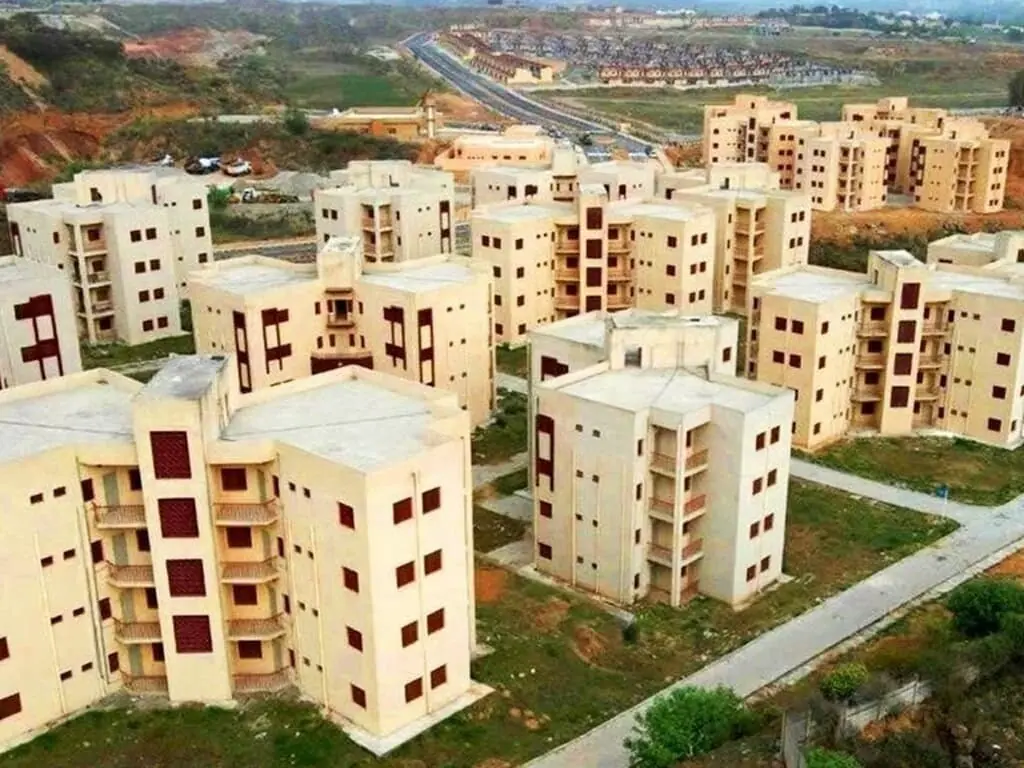

ISLAMABAD: To address the growing nationwide housing shortage, the ministry of Housing and Works is giving final shape to the National Housing Policy 2025 and expected to be submitted to the federal cabinet shortly. The policy is based on a multi-stakeholder and evidence-based approach.
This was stated by Dr Malik Asghar Naeem, Coordinator of the National Housing Policy Working Group and Chief Planner at the Federal Government Employees Housing Authority (FGEHA) while speaking at a seminar titled “National Housing Policy: A Framework for Affordable, Inclusive, and Sustainable Shelter for All” organized by Pakistan Institute of Development Economics (PIDE) here on Wednesday.
Dr Naeem described housing as a fundamental human right and a shared national responsibility. While highlighting the gravity of Pakistan’s housing crisis, noting that rapid population growth and accelerating urbanization have resulted in a housing shortage of nearly 9–10 million units.Approximately 50 percent of the urban population now lives in slums and informal settlements, including katchiabadis, he said.
Vulnerable groups, particularly low- and middle-income households, remain disproportionately affected due to limited access to affordable housing, weak housing finance, regulatory gaps, and growing climate-related risks. The session was moderated by Usama Abdul Rauf, Assistant Chief (Policy) at PIDE, and brought together policymakers, academics, researchers, and practitioners to examine the structural causes of housing shortages and explore pathways for inclusive and sustainable housing development.
Key objectives and strategies of the housing policy occlude inclusivity and affordability to ensure access for low-income groups, treating housing as a basic right, sustainable urbanization to promote compact, vertical development to protect agricultural land, alongside slum upgrading and urban regeneration and climate resilience to develop green and resilient housing infrastructure.
The seminar emphasized that housing is recognized as a basic human right under Article 25 of the Universal Declaration of Human Rights, to which Pakistan is a signatory.
Despite this commitment, Pakistan continues to lag in providing adequate and affordable housing for large segments of its population. Dr Naeem explained that the initiative to update the National Housing Policy was undertaken on the directive of the Prime Minister to revise the outdated National Housing Policy of 2001, reflecting the urgency of addressing contemporary housing challenges.
Addressing concerns arising from the post-18th Amendment governance structure, Dr Naeem clarified that while housing is a provincial subject, the national policy serves as an overarching framework to guide coordination among federal, provincial, and local governments, while allowing provinces full autonomy to tailor policies according to local needs.
Dr Naeem outlined nine thematic pillars of the policy, covering land for housing, development of intermediate and secondary cities, housing finance, construction services, slum rehabilitation, low-cost housing, green housing, institutional and legal frameworks, and capacity building.
The discussion underscored the need to expand affordable housing finance, improve rental housing, and ensure quality accommodation for students and government employees.
Concluding the seminar, participants emphasized that sustainable urban planning, inclusive finance, corporate engagement, and stronger institutional coordination are essential to addressing Pakistan’s housing shortage and ensuring equitable access to decent shelter for all.
Copyright Business Recorder, 2026

























Comments
Comments are closed for this article.