


Oil dips on ample supply outlook, market weighs Venezuelan output
- Brent crude futures fell 0.2%, or 14 cents, to $61.62 a barrel
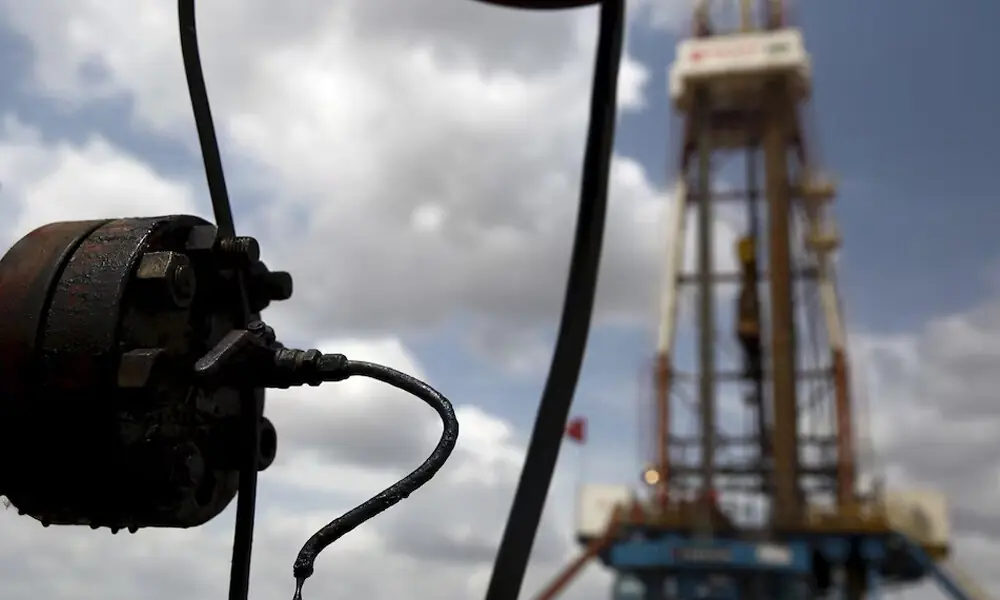

SINGAPORE: Oil prices fell on Tuesday on expectations of ample global supply amid weak demand, and as the market weighed the prospect of higher Venezuelan crude output following the US capture of President Nicolas Maduro.
Brent crude futures fell 0.2%, or 14 cents, to $61.62 a barrel by 0450 GMT while US West Texas Intermediate crude was at $58.13 a barrel, down 0.3% or 19 cents.
Priyanka Sachdeva, senior market analyst at brokerage Phillip Nova, noted the oil price response to major geopolitical events, such as the US military action in Venezuela and ongoing strikes on Russian energy infrastructure, had been surprisingly muted, suggesting fundamental demand-supply factors remained the key concern.
“From a supply perspective, the oil complex remains packed with barrels.
According to the latest International Energy Agency (IEA) and US Energy Information Administration (EIA) data, global crude supply continues to outpace consumption growth, pushing inventories higher and keeping downward pressure on prices,“ she said.
Market participants polled by Reuters in December said they expected oil prices to be under pressure in 2026 due to growing supply and weak demand. Price pressure could be exacerbated by the US capture of Venezuela’s leader on Saturday, increasing the chance of an end to a US embargo on Venezuelan oil and potentially leading to higher output. Maduro pleaded not guilty in a New York court on Monday to narcotics charges.
The administration of US President Donald Trump plans to meet US oil executives this week to discuss boosting Venezuelan oil production, a person familiar with the matter told Reuters.
“I think if the Trump playbook even partially comes to pass, Venezuelan crude oil production should increase… Should it increase, there will be more pressure on an already over-supplied market,” said Marex analyst Ed Meir.
Venezuela is a founding member of the Organization of the Petroleum Exporting Countries and has the world’s largest oil reserves at about 303 billion barrels. However, its oil sector has long been in decline due in part to under-investment and US sanctions.
Its average output last year was 1.1 million barrels per day.
Oil analysts said Venezuelan output could increase up to half a million barrels a day over the next two years with political stability and US investment.
ANZ Research said in a note, however, that they saw heightened levels of political instability as the more likely scenario, and that a significant injection of funds would be required to increase output beyond Venezuela’s current effective capacity.



























Comments
Comments are closed for this article.