


Currency risk to remain key for foreign investors of Indian bonds in 2026
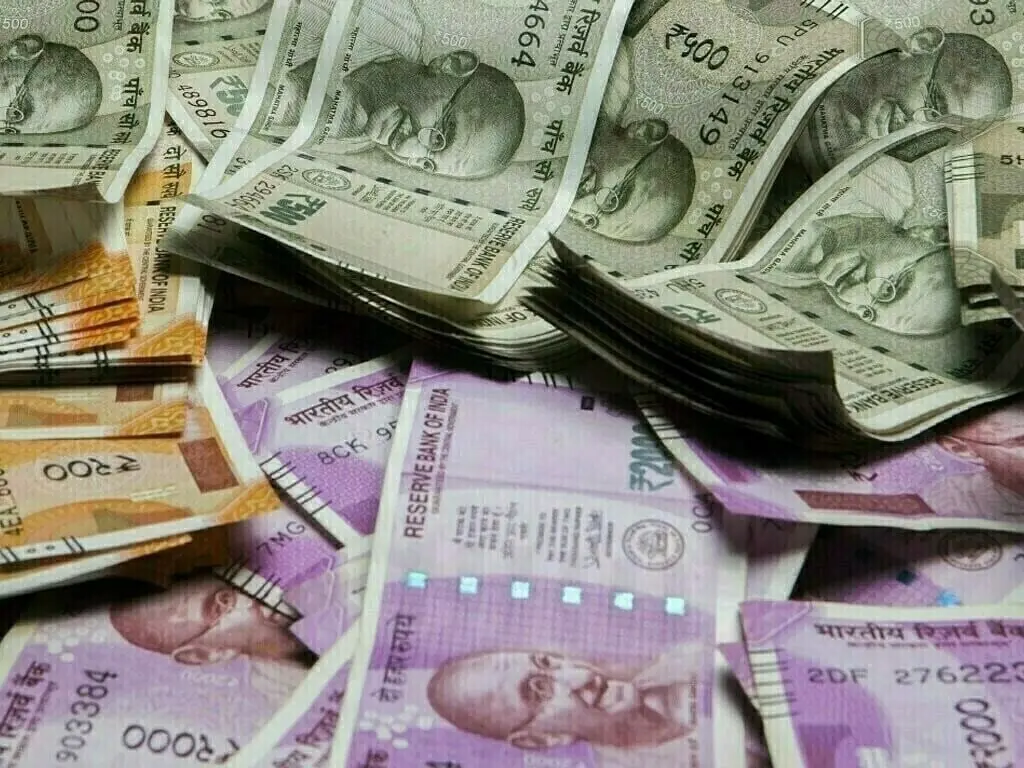

MUMBAI: Currency risk is a key concern for foreign investors in Indian bonds heading into 2026, after rupee weakness and volatile hedging costs drove heavy outflows in December.
The Indian rupee breached the 91-per-dollar mark and repeatedly slid to all-time lows in December. While it recovered to near 90, it remains the weakest-performing Asian currency in 2025, falling about 4.8 percent.
The local currency’s choppy moves and the risk of further depreciation has weighed on appetite for bonds, especially if investors are looking for US dollar returns, according to traders and investors.
Foreign investors sold bonds worth 143 billion rupees (USD1.6 billion) under Fully Accessible Route (FAR) on a net basis in December, the highest since the category was created in April 2020.
Prior to the December selloff, they had been net buyers of FAR bonds worth about 680 billion rupees in 2025.
“The Reserve Bank of India is seemingly taking a relatively relaxed approach around the rupee,” said Nathan Sribalasundaram, Asia Rates Strategist at Nomura.
“Most thought 90 would have been defended but it was not, and the authorities are showing little concern around the move. So further currency weakness now seems to be the base case.”
A weaker currency raises the urgency for foreign investors to hedge Indian asset exposure, influencing returns on high-yielding Indian bonds.
Hedging cost, the interest rate differential between two currencies, has risen after the RBI cut rates aggressively.
This can feel “punitive” despite the 10-year bond yield at around 6.50 percent-6.55 percent, as there are other dollar-denominated bonds of similar credit rating that yield better, said Matthew Kok, Portfolio Manager, Asian Fixed Income, Eastspring Investments.
Further, other emerging market local currency debt has started to look cheaper, he added.
Still, a few investors argue that the rupee’s recent weakness and higher bond yields could offer a more compelling entry point.
“We see INR as cheap now, making it attractive to consider total returns, including both currency and local bond yields, said Jean-Charles Sambor, head of emerging markets debt at TT International Asset Management.
“We believe that we are adequately compensated for the risk and consider the currency carry to be a reasonable buffer at this stage.”
Wontae Kim, a portfolio manager at Western Asset Management, pointed to two potential tailwinds for Indian bonds in 2026: the prospect of a bilateral trade deal with the United States and India’s inclusion in the Bloomberg Global Aggregate Index.


























Comments
Comments are closed for this article.