


Brazil/Paraguay/Argentina: New values of imported meat, bone meal fixed
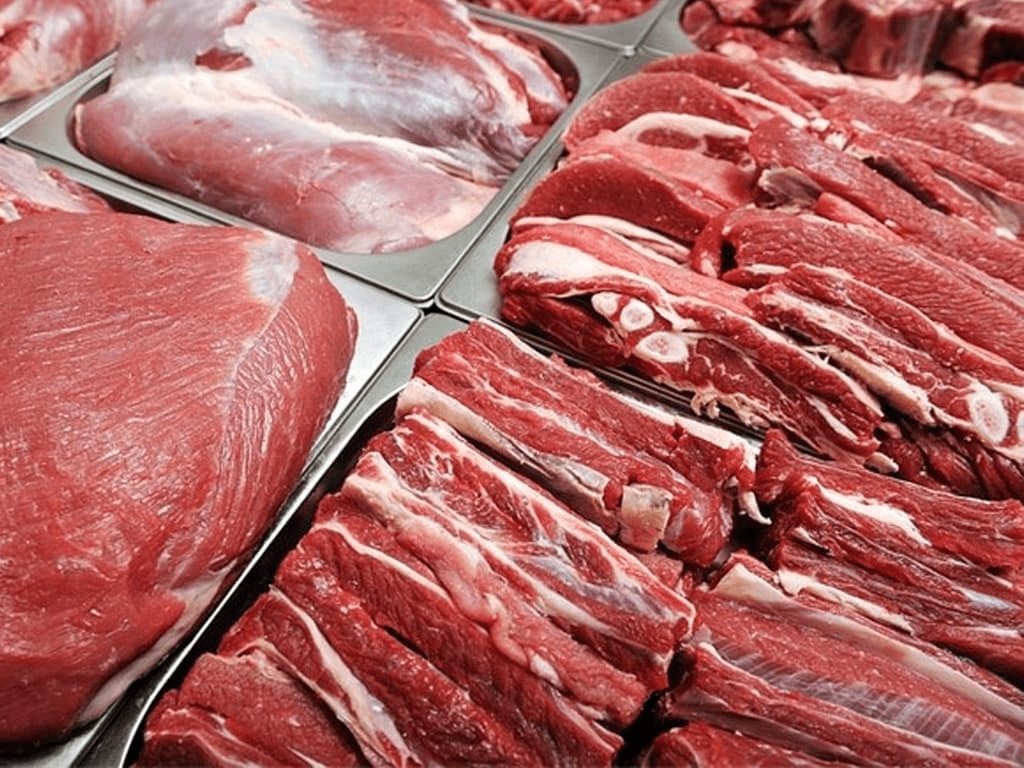

ISLAMABAD: The Directorate General of Customs Valuation, Karachi, has fixed new values of meat and bone meal imported from Brazil/Paraguay/ Argentina for assessment of duties and taxes.
According to the valuation ruling number 2031 of 2025 issued on Thursday, the Customs values of meat and bone meal were determined under Section 25A of the Customs Act, 1969 vide Valuation Ruling No. 192412024 dated 03.12.2024.
Being aggrieved, stakeholders approached the Directorate General of Customs Valuation, Karachi, with the contention that the existing valuations were done a year ago and should be revised in light of current international market values.
Accordingly, the Directorate initiated an exercise for redetermination of the values of the items covered under the aforementioned valuation and publication rulings. The hearing notices to relevant stakeholders were issued.
A meeting was held to discuss issues related to the valuation of the subject goods. The stakeholders emphasized that the existing valuation ruling, being over one year old, does not reflect prevailing international trade prices. They further asserted that the declared values are fair and consistent with actual transaction prices.
The points of the stakeholders were carefully analyzed, and a detailed examination of import data for the preceding 90 days was undertaken, in conjunction with a review of the documentary evidence submitted by importers. This comprehensive assessment facilitated the development of a supplier-wise database, incorporating transaction values along with detailed specifications of goods imported into Pakistan. The database provided credible insights into prevailing pricing patterns and product variations, enabling a clear understanding of market dynamics. The relevant data was duly shared with the concerned stakeholders for their review and comments.
This step was undertaken to ensure transparency in the valuation process and to provide all parties with an opportunity to examine the basis upon which the proposed customs values were being considered. Furthermore, prices published in international bulletins were scrutinized to corroborate market trends and assist in the determination of fair and equitable customs values in accordance with the provisions of the Customs Act, 1969.
Method(s) adopted to determine Customs values: Valuation methods prescribed under Section 25 of the Customs Act,1969, were applied sequentially in accordance with legal provisions. Initially, the transaction value method under sub-section (l) was considered; however, it was found inapplicable due to differences in values with significant variations in the declared values by different importers, which did not reflect international prices. Furthermore, the requisite documentary evidence, as required under sub-section (2), was either incomplete or inconsistent, rendering this method unreliable. Subsequently, the methods based on identical and similar goods, as provided under sub-sections (5) & (6), were examined.
Copyright Business Recorder, 2025


























Comments
Comments are closed for this article.