


Tajikistan plans to import 100,000 tons of Pakistani meat worth over $50mn
- Federal Minister for National Food Security and Research, Rana Tanveer Hussain holds productive bilateral meeting with the Ambassador of Tajikistan to Pakistan, H.E. Yusuf Sharifzoda
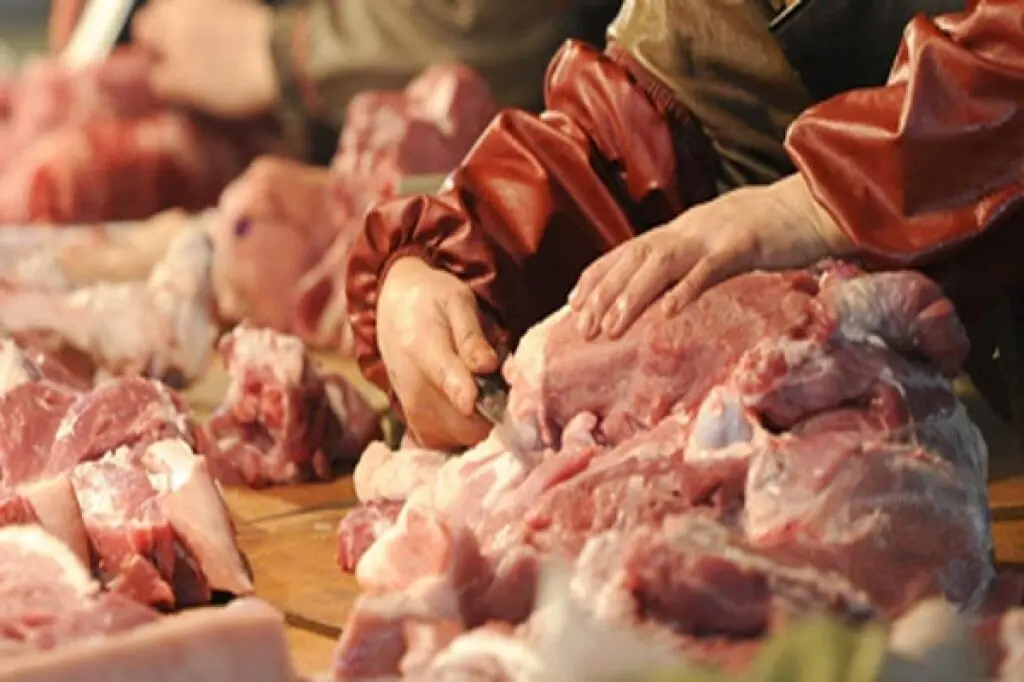
Tajikistan has conveyed its intention to buy 100,000 tons of meat from Pakistan, a potential import order exceeding $50 million and signaling growing trade cooperation between the two countries.
This was conveyed during a meeting between Federal Minister for National Food Security and Research, Rana Tanveer Hussain, and Ambassador of Tajikistan to Pakistan, H.E. Yusuf Sharifzoda, in Islamabad today, the information ministry said in a press release.
Pakistan, Tajikistan plan direct air connectivity
During the meeting, Ambassador Sharifzoda expressed Tajikistan’s strong interest in expanding agricultural imports from Pakistan, with a particular focus on meat products, according to the statement.
Both sides agreed that a formal agreement for the commencement of large-scale meat exports will be signed soon. Rana assured full facilitation in fulfilling Tajikistan’s requirements and reiterated Pakistan’s readiness to support Tajikistan’s food and livestock needs.
The two sides also reviewed the current trade scenario, noting that Pakistan exports rice, citrus, and mango to Tajikistan, though the volume remained below potential.
Despite producing 1.8 million tons of mangoes annually, Pakistan exported only 0.7 metric tons to Tajikistan in 2024.
Pakistan, Tajikistan vow to deepen defence cooperation
“Similarly, Pakistan’s rice exports to Tajikistan remain minimal at just 240 metric tons in 2022 compared to its annual production of 9.3 million tons. Pakistan’s major import from Tajikistan is ginned cotton.
Both sides agreed on the need to enhance trade volumes and reduce technical and logistical barriers.”
They also agreed to “pursue a forward-looking roadmap for agricultural cooperation, including expanding trade in fresh fruits, vegetables, meat, and staple crops; strengthening collaboration in research and development; enhancing compliance with international standards; establishing pest-free production zones; and building capacity of relevant stakeholders on phytosanitary and agricultural best practices”.
They also agreed on the importance of exchanging scientific information and promoting innovation to drive sustainable agricultural development, added the press release.
























Comments
Comments are closed for this article.