


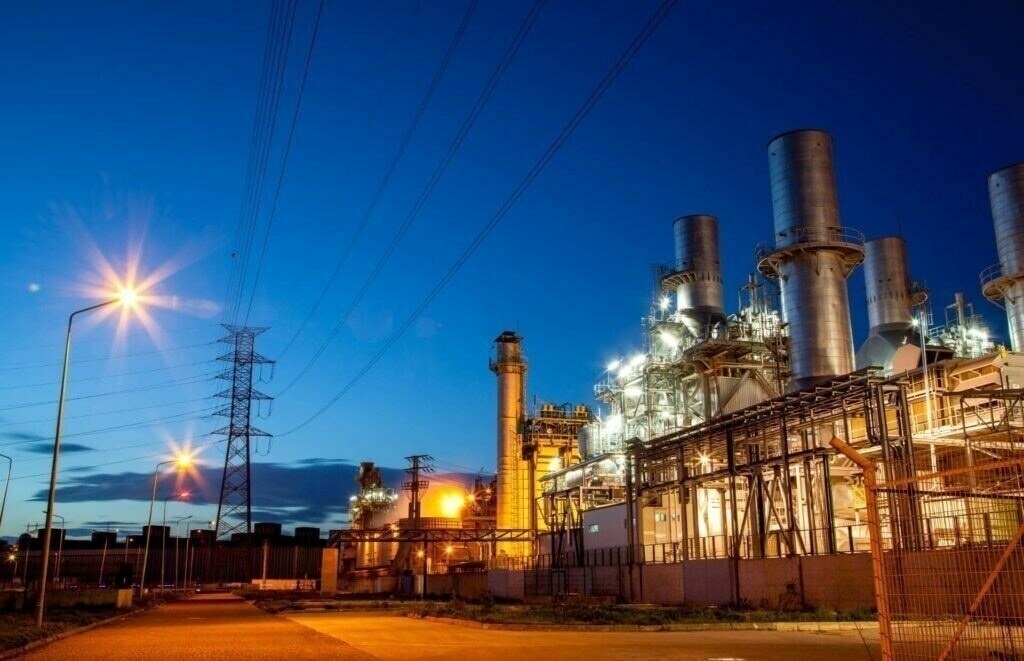

ISLAMABAD: The Special Technology Zones Authority (STZA) has urged the National Electric Power Regulatory Authority (NEPRA) to classify Special Technology Zones (STZs) as industrial consumers and direct DISCOs to apply industrial tariff rates to them under the STZA Act, 2021.
STZA was established under the Special Technology Zones Authority Act, 2021, to build a globally competitive technology ecosystem in Pakistan. The Authority is mandated to develop, license, regulate, and promote Special Technology Zones, attract local and foreign investment in high-tech sectors, and foster an enabling environment for innovation, research, and advanced manufacturing. It serves as a national catalyst to integrate technology-driven industries into global value chains and enhance Pakistan’s competitiveness in the digital economy.
According to a letter written by STZA Secretary Sabir Ali to NEPRA’s Director General (Tariff), affordable and reliable energy is a critical enabler of the technology ecosystem. At present, entities operating within STZs notified under the STZA Act, 2021 are billed at commercial electricity tariff rates, while industries in Special Economic Zones (SEZs), Export Processing Zones (EPZs), industrial estates, clusters, and other industrial undertakings are billed at industrial tariff rates. This disparity, the letter states, places technology companies in STZs at a global cost disadvantage.
Although STZs are not traditional industrial estates, Sections 4 and 20 of the STZA Act define them as high-tech, knowledge-driven clusters engaged in research, design, innovation, and technology-based manufacturing—activities that are industrial in nature.
Discos’ base tariffs: Industries oppose planned hike
Given their role in boosting national productivity, attracting foreign direct investment (FDI), creating high-value jobs, and promoting export-led growth, STZA argues that STZs and the enterprises operating within them merit classification under the industrial tariff category. This would bring them in line with the treatment accorded to SEZs, EPZs, and industrial estates, ensuring competitiveness and supporting sustainable technological development.
During a NEPRA public hearing on November 11, 2025, regarding the Federal Government’s motion on the incremental consumption package for industrial and agricultural consumers, STZA highlighted the inequitable tariff treatment applied to STZs compared to SEZs, EPZs, and other industrial clusters—despite their pivotal role in advancing Pakistan’s technology-driven economic growth.
STZA noted that NEPRA has established precedents for differentiated and concessional tariff regimes aligned with national policy objectives—for example, special tariffs for agricultural tube wells and industrial productivity enhancement packages. These precedents demonstrate NEPRA’s regulatory flexibility in recognizing sectors that contribute to national development.
In light of these considerations, STZA has requested that NEPRA classify Special Technology Zones as industrial consumers under the tariff framework and direct all DISCOs to apply industrial tariff rates to STZs notified under the STZA Act, 2021.
“Such policy alignment will ensure parity between SEZs and STZs, enhance Pakistan’s global competitiveness, reduce operational costs for technology enterprises, and significantly advance the Government’s vision for a Digital Pakistan and a knowledge-based economy,” Secretary STZA stated.
Copyright Business Recorder, 2025


























Comments
Comments are closed for this article.