


Kazakh collector preserves Soviet tape recorders that defied musical ‘iron curtain’
- The Soviet Union, of which Kazakhstan was a part, collapsed in December 1991
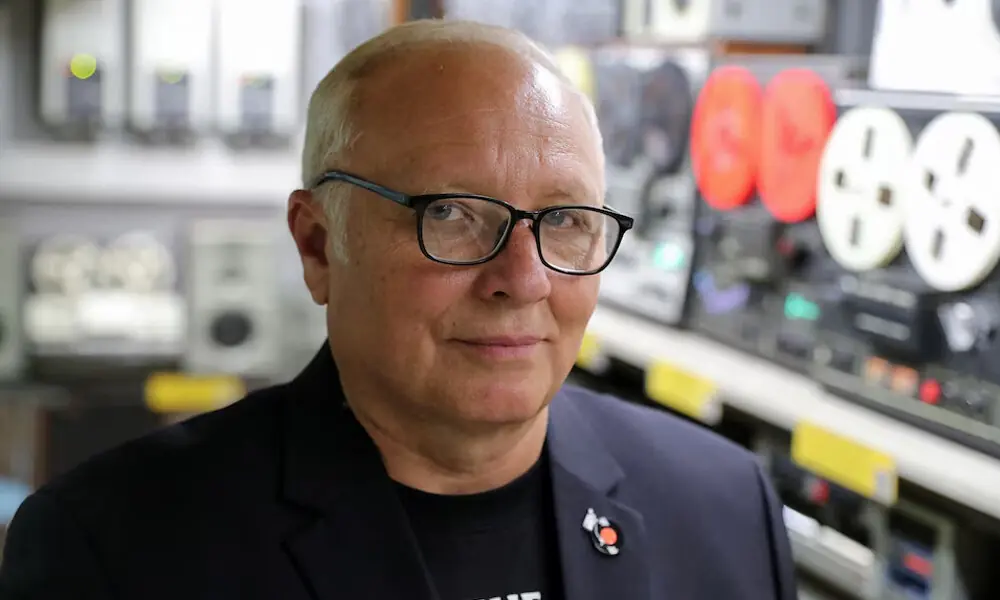

ALMATY: For two decades, Andrei Klimenko has been amassing a collection of Soviet-era reel-to-reel tape recorders for a small museum he runs in Almaty, Kazakhstan’s largest city.
Western music was officially banned in the Soviet Union but enjoyed widespread popularity, with tape recorders used to make bootlegs of popular foreign acts of the time, from Michael Jackson to Bob Marley.
The Soviet Union, of which Kazakhstan was a part, collapsed in December 1991.
Klimenko, 58, said the Soviet-era craze for tape-recorded bootlegs meant that his generation of music lovers was able to spurn the officially-approved acts on TV for more exciting foreign alternatives.
“It was impossible to get (Western records) legally anywhere. But nevertheless, this music could be heard from the window of every apartment,” said Klimenko.
“A single record was copied, this is actually why a tape recorder was needed - it had a recording function and could tape-record music from a phonograph record,” he added.
Klimenko’s small museum, which is open to the public, displays more than 200 reel-to-reel tape recorders, all of them Soviet models used during the bootleg era.
Spanish gold coin from 1609 breaks European record at auction
He said the majority of visitors to his museum were younger people who had grown up in an atmosphere of much greater cultural openness and for whom tape recorders were a relic of a distant past.
“Young people are interested, although for them (tape recorders) are just an artefact.”
One older visitor, 72-year-old Yevgeny, said the museum helped him reconnect with his youthful past.
“This equipment has been close to my heart since I was a child. This museum even displays… my first reel-to-reel tape recorder, which I bought around 1969 with the money I had earned.”

























Comments
Comments are closed for this article.