


Meet the female entrepreneurs turning age-old recipes into lucrative businesses
- Social media marketing has enabled entrepreneurs to make ancient recipes look and feel trendy

Generational recipes and remedies are staples in many South Asian households. Ranging from homemade hair oils and shampoos to cherished sauces and traditional recipes, they are not only free from harmful toxins but also serve as vessels for cultural narratives, preserving the memory of our ancestors who crafted these remedies with love.
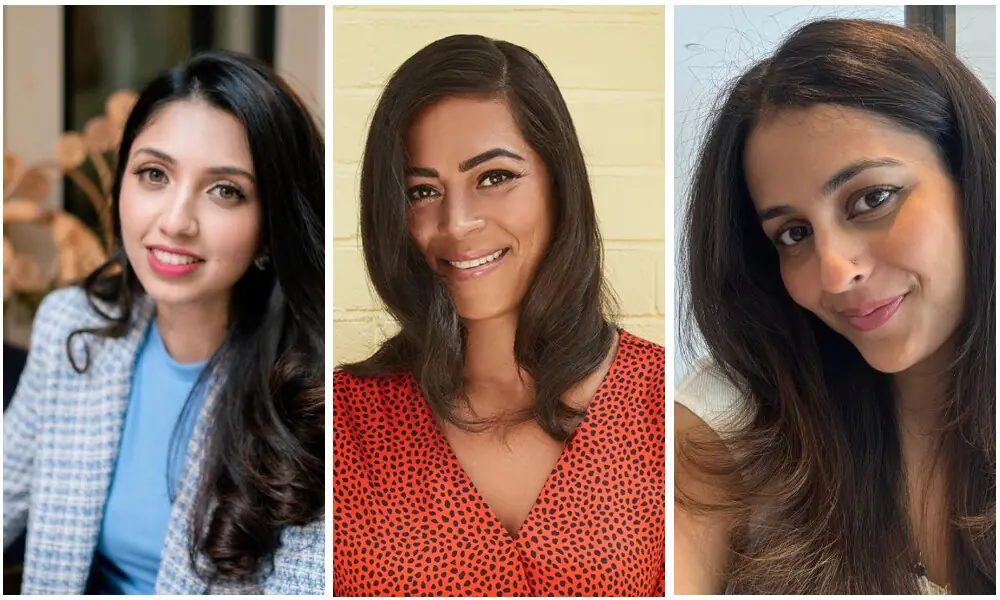
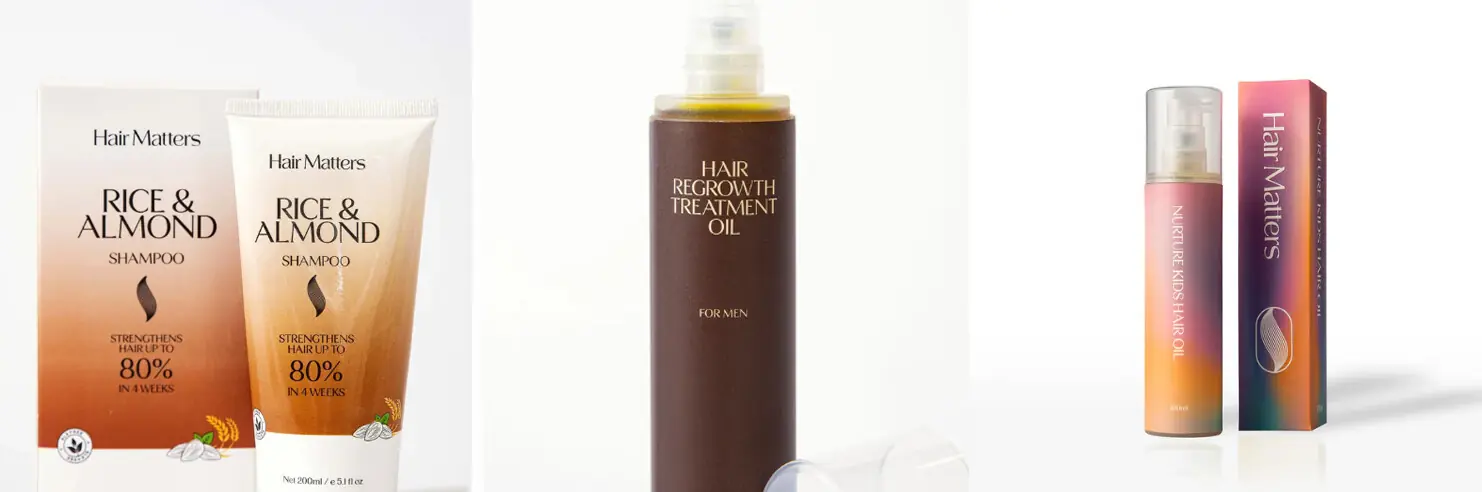
One of the earliest memories that Alizeh Shah has of her childhood days is her grandmother seated on a wooden takht gently massaging her hair with oils crafted from recipes passed down through generations. From a young age, these oils became an integral part of Alizeh’s daily haircare routine. “I’m really close to my maternal grandmother. She had gone through cancer and obviously she lost her hair, and she used these remedies to grow them back. So, for me, it was something very close to my heart,” Alizeh says.
In 2015, during her undergraduate studies at LUMS (Lahore University of Management Sciences), Alizeh decided to sell her grandmother’s oils. Her first batch of 25 bottles sold out within a day, pushing her to produce more inventory.
“When I started, I absolutely had no idea that it would be something that people would actually buy and they would come back and ask for it again. So initially, it was just like a passion project when I started it,” says Alizeh. Eight years later, Hair Matters continues to thrive.
While some entrepreneurs initially launch their ventures as side projects, others are driven upon seeing their culture being commodified by Western brands. Zoha Naqvi was an undergraduate student in the United States when she observed the commercialization of traditional South Asian culinary recipes by Western brands.
“The Western world was kind of capitalizing on recipes that were originally made and passed down from desi (South Asian) societies by word of mouth,” says Zoha, pointing to the example of Starbucks’ turmeric latte. This beverage, deeply ingrained in the daily lives of South Asian families, symbolizes a broader trend of cultural commodification.
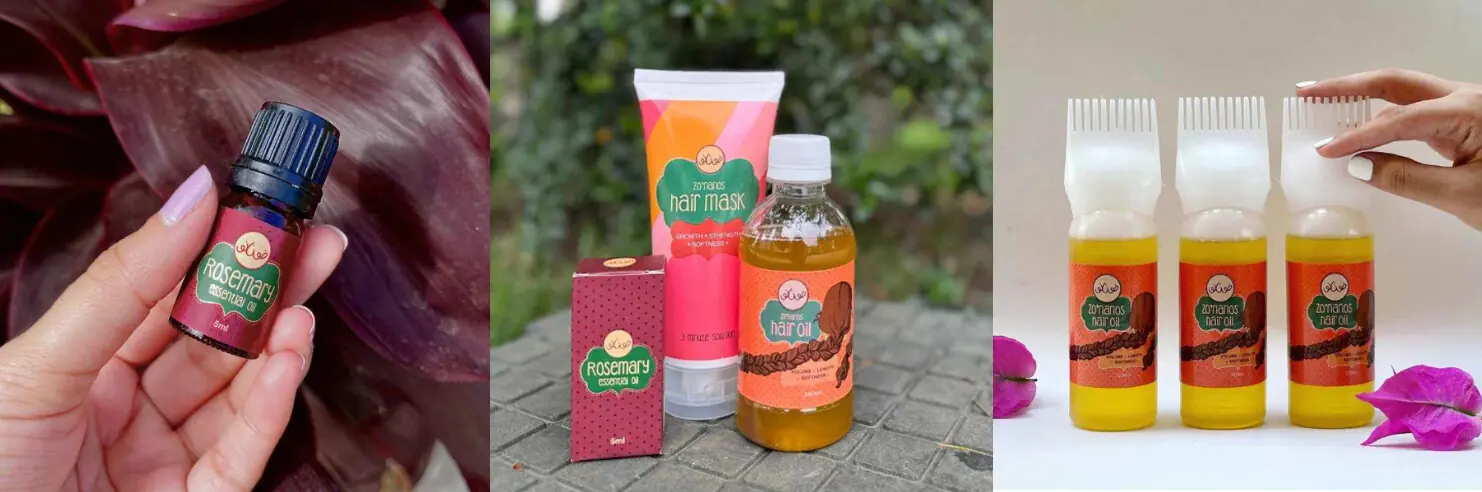
Today, Zoha is the founder of Zo’Nanos, a brand that sells hair oils and shampoos crafted from recipes that were lovingly passed down by her grandmother. “These recipes…(were) a mix of what her and her sisters used to use,” says Zoha.
The creation of Zo’Nanos was completely accidental. In late 2019, Zoha shared a before-and-after photo showcasing the transformative effects of her grandmother’s hair oil on her own hair in a popular all-women Facebook group, not knowing that the post would go viral, garnering over 1,300 likes and more than 1,000 comments.
“My inbox was bombarded,” says Zoha, adding that she received over 300 to 500 messages every day from group members, requesting her grandmother’s oil for themselves. This unexpected surge of interest marked the beginning of her entrepreneurial journey. “I first sold the product and then (developed) the packaging, the marketing, the name. I think it took me like…two months of just selling this anonymous hair oil, that I ended up calling Zo’Nanos.”
As Zoha scaled the brand over the years, she began taking inspiration from her grandmother’s life to launch more products. Her grandmother would wrap a dupatta (scarf) around the hair after the oiling was complete. As an ode to that practice, Zoha launched a microfibre towel which would appeal to younger people. “We kind of re-inculcated this culture of making oiling cool and making desi cool,” says Zoha.
Marketing traditional trends to resonate with today’s digitally savvy younger audience presents a challenge. Although totkas (South Asian remedies) are widely trusted, they were rarely branded or commercialized, existing mostly through word of mouth.
But young entrepreneurs like Alizeh and Zoha possess a creative edge. Although the recipes are age-old, these youngsters spearhead branding and marketing efforts through social media, a strong retail presence and the creation of modern packaging that captivates a young audience.
Social media marketing has enabled these entrepreneurs to make ancient recipes look and feel trendy.
“The first year, it was just me taking pictures of the products in my lounge, in my room, everywhere where I liked the lighting. And honestly, the pictures when I look back at them, they were hideous!” says Alizeh. As she became more well-versed with social media, her approach began to evolve. She has included her grandmother in her social media campaigns, both to showcase the face behind these recipes but also highlight the wisdom which has been invested into them. Today, Hair Matters boasts a colourful Instagram feed of more than 100,000 followers. “There is so much competition. If you don’t create content almost every day, you are basically not relevant,” says Alizeh.
On Instagram, Zoha is seen busting myths about age-old remedies to creating 30-day self-care challenges to creating transparency around the brand. Moreover, Zoha promotes the use of raw ingredients such as eggs - also incorporated in Zo’Nanos products - on herself, fostering acceptance of this age-old practice and raising awareness about their abundant benefits in her products.
“Initially, I would also make a lot of content where I would randomly record my dad and be like, Abu, what are you doing this Sunday? Put egg in my hair. And we’d make (an Instagram) reel in which my dad is putting (egg) on my hair,” says Zoha. Her authentic and relatable content has garnered over 120,000 followers on the brand’s Instagram page.
Not just in South Asia but worldwide, young people are passionately keeping age-old family recipes and remedies alive. One such example is that of Joudie Kalla, a renowned Palestinian chef based in the United Kingdom, who cooks and shares traditional Palestinian food recipes which have been passed down to her from her mother and grandmothers. Her Instagram page, Palestine on a Plate has amassed a following of over 470,000 people and is followed by the likes of celebrity sisters Bella and Gigi Hadid.
Scaling the recipes of their ancestors has allowed young people to not only preserve a memory but also spread the benefits they’ve reaped from these products to others. Joudie says it perfectly: “The best thing you can profit off of in the most sincere way, is your own culture, because it’s in your blood, it’s in your mouth, the taste. You learn it, but it becomes part of your DNA. And I think this is why myself and other people have started (their own businesses).”


























Comments
Comments are closed for this article.