


Renewable energy potential in Hindu Kush Himalayas region not tapped: report
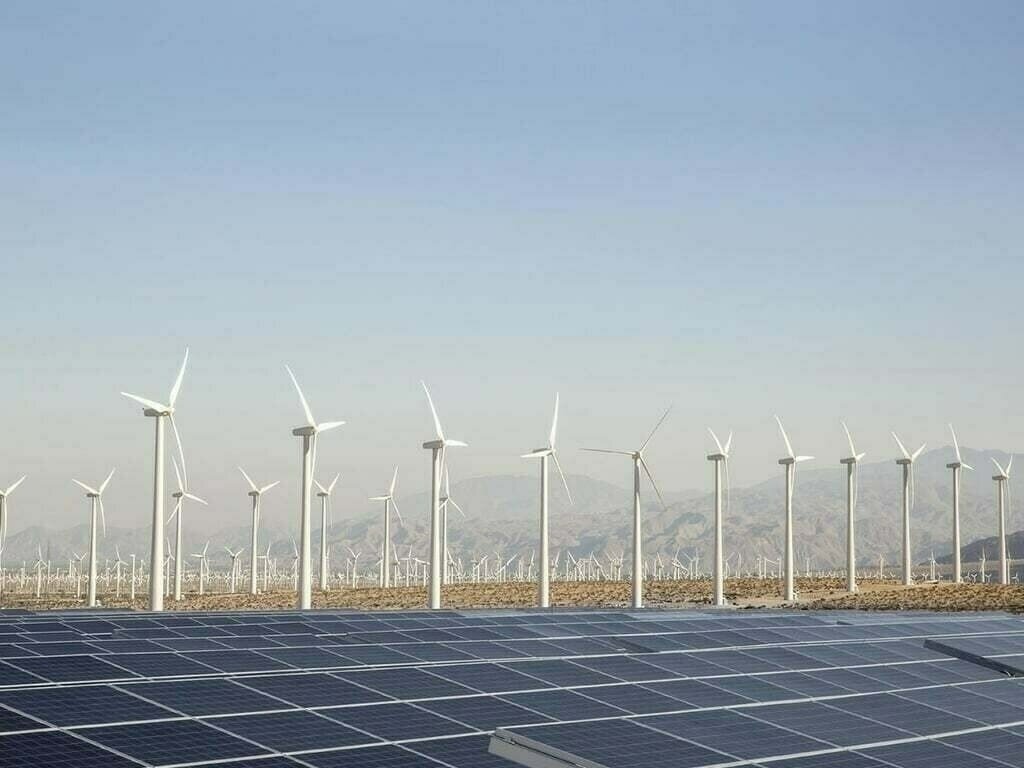

ISLAMABAD: Despite immense renewable energy potential in the Hindu Kush Himalayas (HKH) region, clean energy currently makes up only 6.1 percent of total energy supply; fossil fuels dominate the region with Bangladesh generating 98 percent of its energy through fossil fuels, India 77 percent, Pakistan’s 76 percent, China 67 percent, and Myanmar 51 percent.
This was the crux of a report, titled: “Together We Have More Power: Status, Challenges, and the Potential for Regional Renewable Energy Cooperation in the Hindu Kush Himalaya” released by International Centre for Integrated Mountain Development (ICIMOD) and launched here at an event organized by Sustainable Development Policy Institute.
The report provides details of the energy policies of HKH countries, their energy mixes, and the benefits of regional cooperation in achieving SDG 7.
The report outlines the region’s immense opportunity to transform into a global leader in clean energy, noting that tapping into regional renewable resources could significantly reduce energy costs, create jobs, and promote economic stability. By building stronger regional grids and collaborating on technology, infrastructure, and energy trade, the HKH nations can secure a sustainable energy future and meet climate goals.
Speaking on the occasion, SDPI Executive Director Abid Qaiyum Suleri said, “For Pakistan, this report is not just about energy, it’s about national security and economic stability.” With 76 percent of our electricity generated from fossil fuels, we are dangerously exposed to volatile international prices, he said, adding that “Our share of the region’s immense solar and wind potential is a strategic asset.” Dr Suleri maintained that tapping into it through regional grids can slash our import bill, secure our energy future, and create thousands of jobs, all while protecting our people from devastating floods that climate change is already bringing to our doorstep.
ICIMOD’s Deputy Director-General, Izabella Koziell, highlighted the region’s climate vulnerabilities and vast energy potential. The region, she said, often referred to as the “Third Pole” due to its extensive glaciers, plays a critical role in the global climate system but also presents significant challenges due to its difficult terrain. Hindu Kush Himalayas (HKH), one of the world’s most climate-sensitive areas, is faced with environmental degradation and pollution, which needs immediate attention of the world.
Koziell pointed out that while the HKH offers immense potential for hydro, wind, and solar energy, mere ambition is not enough. For meaningful progress, the eight countries in the region (Afghanistan, Bangladesh, Bhutan, China, India, Myanmar, Nepal, and Pakistan) must work together on trade, research, and development efforts.
Dr Abid Hussain from ICIMOD maintained that the HKH is home to 3.4 billion people, many of whom rely on its rivers for their energy needs. The region has an estimated energy potential of 3.5 terawatts, yet only 6 per cent of this potential is currently harnessed. He underscored several challenges, including social issues such as displacement, inequities, and health risks, technical challenges like the lack of research and development, and political hurdles related to fossil fuels and geopolitical fragmentation.
Shubhuti Kiran Ghimire from ICIMOD Nepal said that the organization is focusing on climate-resilient basin management not only in Nepal but also in Bhutan and Pakistan.
Copyright Business Recorder, 2025


























Comments
Comments are closed for this article.