


China aims to turn cities, provinces into living brands: urban development expert Prof Yang
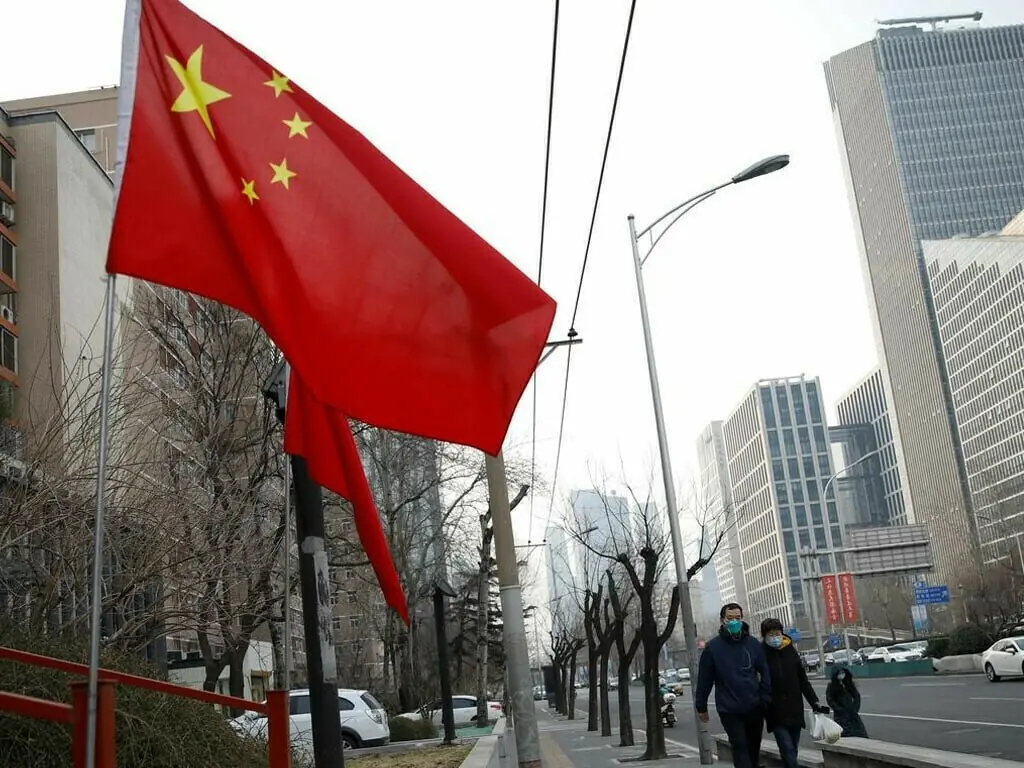

ISLAMABAD: China is embarking on a new phase of regional development that blends economic ambition with cultural expression. Moving beyond the traditional model of infrastructure-led growth, the country’s provinces are now being encouraged to build their own urban identities that reflect local heritage, innovation, and way of life.
According to urban development expert Professor Yang Zhenhua, the new approach aims to turn cities and provinces into living brands, each defined by its culture, innovation, and the lifestyle it offers. “An urban brand represents the highest level of competitiveness. It is both a symbol and a strategy,” he explains. “A strong identity gives a city visibility, confidence, and lasting economic value.”
The policy reflects a growing realisation in China that prosperity now depends as much on how cities are perceived as on what they produce. Local governments are being encouraged to promote liveability, creativity, and cultural heritage alongside technology and trade. Scholars say this signals a maturing phase in China’s urban evolution that favours soft power over smokestacks.
Zhejiang Province has become a leading example of this new thinking. In Anji County, once a quiet bamboo-producing area, a combination of eco-tourism, creative coffee culture, and digital-nomad communities has turned the region into a model of green development. More than 300 village cafés now attract over five million visitors every year, generating revenues of around one billion yuan and inspiring young professionals to move back from big cities.
In Suzhou, the ancient canals and gardens of the “Oriental Water City” now coexist with cutting-edge industrial parks that contribute nearly half of the city’s GDP. Close to 70 percent of its high-tech firms have foreign investment, benefitting from Suzhou’s proximity to Shanghai. Similarly, Hangzhou, once defined by its scenic West Lake, has reinvented itself as a modern hub for China’s digital economy, home to some of the country’s most innovative companies and creative communities.
Across China, city branding is being tied closely to people’s sense of place and belonging. A national report by the Chinese Academy of Social Sciences identifies five key pillars of a successful urban brand: culture, tourism, investment, liveability, and communication, ensuring that growth feels meaningful, inclusive, and sustainable.
The city of Huzhou provides a striking example. Its slogan, “Green Mountains, Golden Mountains,” captures the balance between environmental protection and economic vitality. Eco-friendly camping sites, bamboo-based industries, and carbon-neutral tourism projects have not only brought income to rural areas but also reshaped Huzhou’s image as a pioneer of green living.
Experts believe leadership plays a decisive role in this transformation. “The competitiveness of a city depends largely on the vision of its leaders,” Professor Yang notes. “Good governance, culture, and community engagement are now as important as factories and roads.”
The new development strategy urges provinces to think creatively and act distinctively, guided by the motto “Not the first, then the only.” Each region is expected to identify what makes it unique and build on that advantage. From flagship cultural projects to innovation corridors and digital trade zones, provinces are crafting their own signatures on China’s development map.
Analysts say the shift represents more than an economic reform; it is a redefinition of how China sees itself. By linking culture, economy, and sustainability, the country hopes to project a more human, confident, and globally relatable image.
As China moves into this new phase of province level planning, growth will no longer be measured only in factories or skyscrapers but in stories, ideas, and the emotional connection people feel with the places they live in. In this vision, the cities of tomorrow are not just built, they are imagined.
Copyright Business Recorder, 2025

























Comments
Comments are closed for this article.