



Pakistan is on a very crucial crossroad between climate risk and energy insecurity. The disastrous floods that have hit the country with great frequency in the past twenty years, most notably in 2010, 2022 and 2025, have revealed that climate disasters are not occasional anymore. They are changing the economy of Pakistan, its infrastructure, and even the lifestyle of its people.
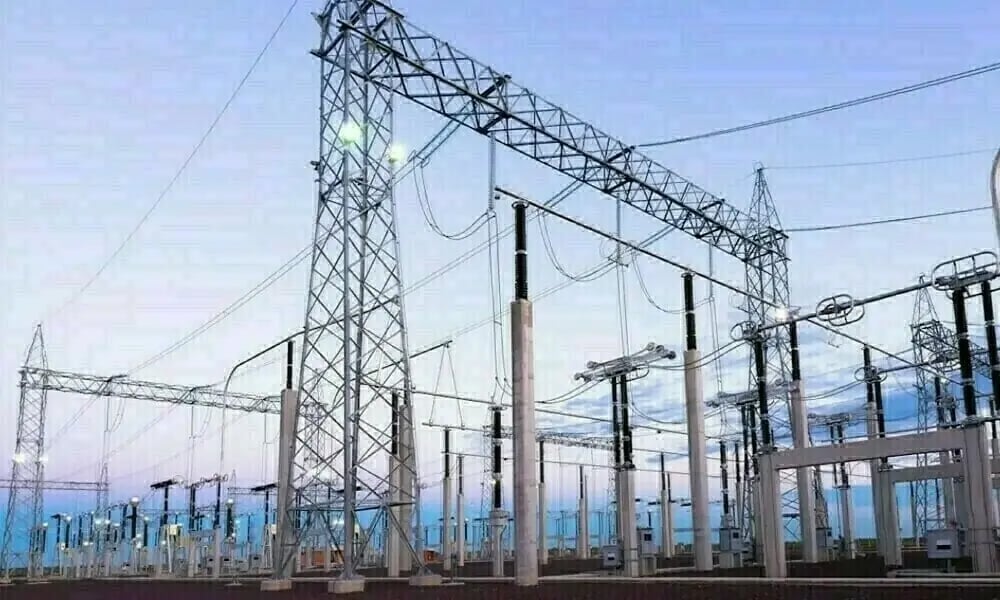
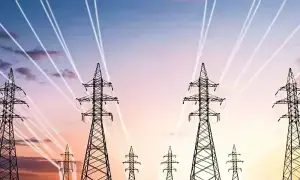
The 2025 floods that displaced millions of people in Sindh, Punjab and Khyber Pakhtunkhwa again revealed the shaky foundation of Pakistan’s energy infrastructure. Power grids went dead, transmission lines went down and enormous areas were left in darkness.
Human dependence on water and power became all too clear when floodwaters inundated hydropower facilities, forcing their closure; and as the water levels later dropped, reservoirs dried up and power production fell drastically. This is a vicious cycle crisis that has placed the country in a situation of having too much water and too little energy.
The economy of Pakistan suffers the trickle-down impacts of floods. Energy outages interrupt agriculture, manufacturing, health services and communications. The 2022 floods resulted in an estimated 30 billion dollars in economic damages, and the 2025 floods, although smaller in scale, still damaged key energy infrastructure and disrupted oil and gas supply chains.
The reliance on hydropower—often perceived as a national strength—turned out to be a weakness under extreme weather conditions. About 30–35 percent of the country’s power generation depends on river flows, which fluctuate with rainfall patterns. Meanwhile, the high cost of imports and disruption in thermal plant fuel supply chains expose Pakistan to global fuel price shocks. The energy crisis is therefore not merely a technical issue but also a structural and climate-based one.
Pakistan has remained unprepared to handle climate stress due to low investment, inadequate planning, and political interference in the energy system. The national grid is old-fashioned and overly centralized, making it extremely vulnerable to local calamities.
Power stations and substations are often built in flood-prone areas where disaster management protocols are either weak or unenforced. Consequently, every flood season triggers the same cycle of emergency relief, partial repairs, and a return to business as usual. Long-term climate planning has not been integrated into national energy policies, leaving the sector reactive rather than preventive.
The recurring crises present an opportunity to rethink Pakistan’s approach. Making the energy sector climate-resilient is no longer a choice but a necessity for national survival. This requires not only investment in physical infrastructure but also the development of smarter, decentralized, and adaptable systems. The Alternative and Renewable Energy (ARE) Policy 2019 set an ambitious goal of achieving 60% renewable generation by 2030, including hydropower.
Off-grid solutions such as small-scale solar, wind, and micro-hydro systems could provide power to rural and flood-prone areas, ensuring essential services like hospitals, schools, and relief centers continue operating even during main grid failures. Grid modernization—through reinforcement of transmission towers, elevation of substations, and adoption of flood-resistant construction codes—could also significantly reduce future flood damage.
Climate resilience demands coordination across multiple sectors, including energy, water, agriculture, and urban planning. The National Disaster Management Authority (NDMA) has made progress with its National Disaster Management Plan (NDMP) 2025, though implementation at the local level remains weak. Establishing a National Framework for Climate-Resilient Energy Planning could foster collaboration among NDMA, WAPDA, the Ministry of Energy, and provincial governments.
International partners such as the World Bank, ADB, and AIIB have committed over 1.5 billion dollars to climate-resilient infrastructure, but Pakistan must undertake institutional reforms to ensure transparency, technical efficiency, and local ownership.
The Netherlands, once plagued by catastrophic floods, offers a lesson through its Delta Approach—a strategy of resilience rather than control. The NDMP 2025 incorporates early warning systems, emergency power supply mechanisms, and flood risk management measures, complemented by the NDMA’s Summer Hazard Contingency Plan 2025 to coordinate federal and provincial responses.
The frequent floods in Pakistan have become a national climate wake-up call that can no longer be ignored. The country must stop rebuilding the same vulnerabilities after each disaster and instead commit to long-term adaptation. Energy planning must shift its focus from short-term crisis management to sustainable, climate-resilient development.
Copyright Business Recorder, 2025
The writer is a Staff Economist at the Pakistan Institute of Development Economics (PIDE). She can be reached at: [email protected]


















Comments
Comments are closed for this article.