


Polio tally rises to 30 as new case confirmed in KP’s Torghar district
- 44 sewage samples out of 127 collected in September tested positive
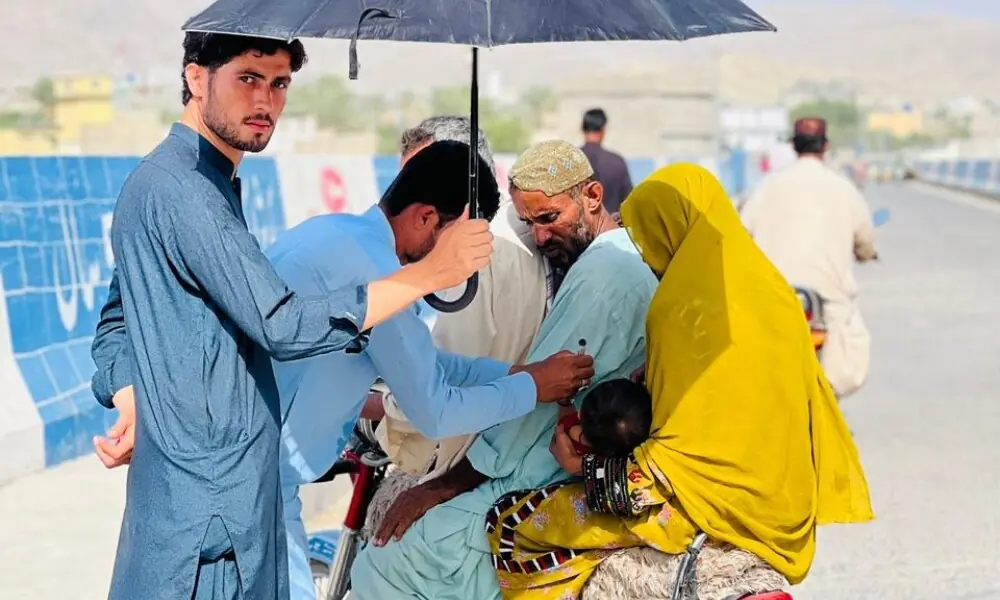

A new case of wild poliovirus (WPV1) has emerged in Torghar district of Khyber Pakhtunkhwa, making it the second case from the district this year.
The Regional Reference Laboratory for Polio Eradication at the National Institute of Health (NIH), Islamabad, has confirmed detection of the new poliovirus case on Tuesday.
“The poliovirus was detected in a 12-month-old boy from Union Council Ghari, Torghar. With this detection, the total number of polio cases in Pakistan in 2025 has reached 30 — including 19 from Khyber Pakhtunkhwa, nine from Sindh, and one each from Punjab and Gilgit-Baltistan,” the polio eradication department said.
Moreover, it said, the Pakistan Polio Programme collected 127 sewage samples from 87 districts across the country through its environmental surveillance network in September. Of these, 81 were found negative with no poliovirus detected, while 44 samples tested positive. Two samples are currently under process in the lab. Province wise details are as follows: Balochistan: 21 negative, 2 positive; Punjab: 22 negative, 8 positive, 1 under process; Khyber Pakhtunkhwa: 24 negative, 10 positive; Sindh: 7 negative, 21 positive, 1 under process; Islamabad: 4 negative, 1 positive; Azad Jammu & Kashmir: 3 negative; Gilgit-Baltistan: 1 negative and 1 positive.
Weeklong polio vaccination drive begins
While the overall trend indicates a decline in positive detections, reflecting the impact of recent high-quality vaccination campaigns, virus circulation persists in certain high-risk areas. These detections highlight the continued need for strong, targeted efforts to interrupt transmission, the NIH’s polio eradication body said.
“Polio is a highly contagious and incurable disease that can cause lifelong paralysis. The only effective protection is through repeated doses of the Oral Polio Vaccine (OPV) for every child under the age of five during each vaccination campaign, along with the timely completion of all routine immunization,” it said.
The Polio Eradication Initiative (PEI) said it was intensifying efforts to sustain comprehensive vaccination coverage and ensure the highest quality campaigns in vulnerable areas. The National Task Force had endorsed the 2025–26 roadmap to stop polio transmission through multiple supplementary immunisation activities and efforts to strengthen routine immunization, it maintained.
The fourth national polio vaccination campaign of 2025 was conducted last week vaccinating over 44 million children. The campaign in south KP is currently in progress (October 20-23).
Polio eradication is a shared national responsibility. While more than 400,000 dedicated frontline workers continue their courageous and tireless efforts to deliver vaccines to every doorstep, parents and caregivers must also ensure that their children receive all recommended doses, including routine immunisations.
Communities, teachers, religious leaders, and the media also play a vital role by supporting vaccination efforts, countering misinformation, and encouraging others to vaccinate so that every child is protected.

























Comments
Comments are closed for this article.