


Undervalued or still vulnerable? Indian rupee’s path splits analysts
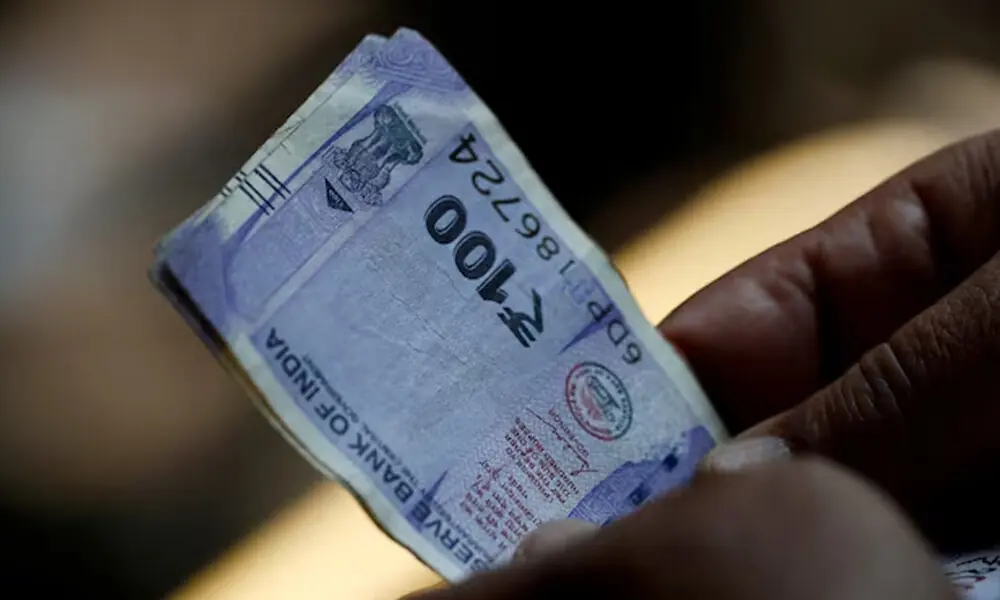

MUMBAI: The Indian rupee’s fall to an all-time low has split analysts on what comes next for the South Asian currency. While some predict further weakness looming, strained by sluggish trade and portfolio flows, others reckon that the worst may be over as valuations turn supportive.
The diverging views underscore the cross-currents affecting the Indian economy, which is pressured by punitive trade tariffs imposed by the U.S. and a lull in foreign inflows, while the domestic economy remains resilient.
Goldman Sachs, in a note released late last month, said that much of the external headwinds was likely already reflected in the exchange rate. The rupee now looks undervalued both against the dollar and on a trade-weighted basis, the note added.
The bank likened the rupee’s recent decline to being caught in a “torrential monsoon”, weighed down by the combination of U.S. tariffs and higher visa costs for India’s tech sector.
This has reflected in its underperformance; the Indian rupee is the weakest among emerging Asia currencies so far this year.
Indian rupee rally likely to extend on positive Asian cues, inflow hopes
BofA Global Research concurred, saying the rupee’s valuation has turned appealing after recent losses. The bank forecast the rupee recovering to 86 per U.S. dollar by the end of 2025.
More weakness to come
However, analysts did not rule out the possibility of the rupee dropping further towards 90 in the light of the uncertainty around U.S. tariffs.
Every single day or week that passes without a breakthrough in U.S.–India trade talks adds pressure, said HSBC’s head of Asia FX research Joey Chew, adding that the rupee could recover ground towards 87 if the U.S. reduces tariffs on Indian goods.
The rupee has fallen 3.7% against the dollar this year and was quoted at 88.78 on Friday, just shy of the lifetime low of 88.80 touched last week.
MUFG said it expects the currency to stay on the defensive, forecasting a decline toward 89.75 “over time”. It warned that sustained tariffs could trim up to 1% from India’s gross domestic product, potentially keeping capital inflows subdued.




















Comments
Comments are closed for this article.