


Experts urge Pakistan to accelerate its shift towards green mobility
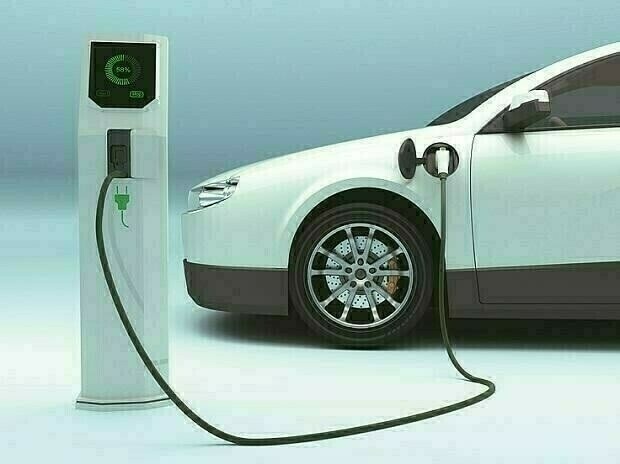

KARACHI: Experts and industry leaders have urged Pakistan to accelerate its shift towards green mobility through consistent policy implementation, investment in charging infrastructure, and financial incentives to support the adoption of electric and hybrid vehicles.
They were speaking at a stakeholder dialogue titled “Shifting Gears: Launch of Automotive Study and Stakeholder Dialogue” organised by the Indus Consortium at a local hotel on Tuesday.
The event marked the launch of a research study titled “Green Transition – Barriers and Opportunities for the Automotive Industry in Pakistan,” conducted by the Indus Consortium in collaboration with the Federation of Pakistan Chambers of Commerce and Industry (FPCCI).
Ali Asghar Jamali, CEO of Indus Motor Company (IMC), highlighted his company’s initiatives in carbon reduction, stating that IMC had installed the largest rooftop solar panels and introduced hybrid electric vehicles (HEVs) to cut emissions.
He emphasised that not only electric vehicles (EVs) but also hybrid and plug-in hybrid vehicles (PHEVs) were part of the green vehicle spectrum. “Considering that 62 percent of electricity is generated from fossil fuels, a complete shift to electric vehicles alone will not significantly impact the environment,” he added.
Hussain Jarwar, CEO of Indus Consortium, said that if financing and infrastructure barriers were removed, the New Energy Vehicle (NEV) Policy could serve as a successful business model similar to the country’s solarisation drive.
Aamir Allawala, former chairman of the Pakistan Association of Automotive Parts and Accessories Manufacturers (PAAPAM), said the green transition would only yield benefits once localisation of parts for new energy vehicles begins. He cautioned that the disposal of EV batteries would become a major challenge in the coming years.
Presenting the study, Muhammad Armughan of FPCCI said the research focused on Scope 3 emissions from IMC’s value chain and identified practical pathways for decarbonisation.
“Pakistan’s automotive industry contributes significantly to national emissions, but targeted interventions can reverse this trend,” he said, stressing the need for fiscal incentives, technology transfer, and green financing to ensure a smooth transition.
Speakers from the banking sector, including Rashid Azeem (UBL), Wajih Zaman (Soneri Bank), and Sadia Bukhari (Sindh Bank), said vehicle financing remained limited to Rs 3 million. However, they noted that two- and three-wheeler electric vehicles would benefit from government subsidies, as the state planned to cover down payments and offer interest-free loans.
Other panellists included Fatima Majeed (Chairperson, Fishermen’s Cooperative Society), Mashood Ali Khan (former Chairman, PAAPAM), Prof. Dr Raza Ali Khan (NED University), Yasir Hussain (Climate Action Centre), and Bilawal Suhag (Head of Research, FPCCI).
Speakers observed that achieving the NEVP targets would be challenging, agreeing that a gradual and practical transition towards green vehicles was a more realistic approach. They noted that the automotive sector faced multiple barriers in its green transformation, including inadequate charging infrastructure, high upfront costs, and the national grid’s continued dependence on fossil fuels.
The study found that Pakistan currently has only 35 public charging stations, far behind regional peers such as India and Nepal, while 60 percent of its power generation still relies on fossil fuels. This misalignment, researchers said, means that shifting to electric vehicles without greening the national grid would merely transfer emissions rather than reduce them.
However, the report also identified significant opportunities. Local assembly initiatives, such as IMC’s hybrid models and the planned entry of new manufacturers like BYD, were seen as positive developments towards localisation of clean vehicle production. Experts urged the government to mandate a share of hybrid and electric vehicles in total production and to introduce a robust Extended Producer Responsibility (EPR) framework for recycling end-of-life vehicles.
The study’s key recommendations included establishing a national task force for EV policy implementation, developing a nationwide charging infrastructure with reduced electricity tariffs, and integrating hybrid vehicles into the country’s broader electric mobility strategy. Financial institutions were advised to offer green car financing with lower interest rates, while insurance firms were encouraged to provide discounted premiums for environmentally friendly vehicles.
The event brought together participants from government, private companies, academia, financial institutions, and civil society.
Copyright Business Recorder, 2025


























Comments
Comments are closed for this article.