


This is apropos a letter to the Editor from this writer carried by the newspaper yesterday. The reasons for this US decline lie in decades of complacency. Armed with the privilege of the dollar as the world’s reserve currency, the United States could afford to consume more than it produced.
It imported minerals, electronics, and machinery without sustaining its own industrial ecosystem. Other countries, more disciplined and forward-looking, used American know-how to build their own infrastructure and research systems. They learned from US universities, hired American engineers, and then invested massively at home. Over time, they not only caught up but overtook the United States, becoming global leaders in industries that once defined American greatness.
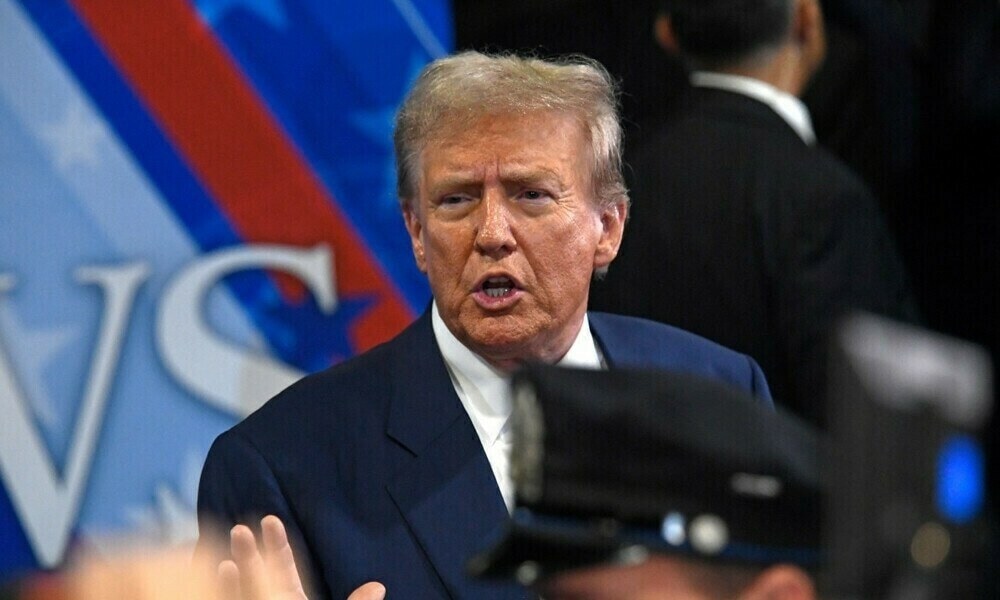
Trump’s invitation, therefore, is both an admission of weakness and a recognition of necessity. He knows that foreign investment alone is not enough; factories and plants can be built with money, but skills cannot. To rebuild lost capacity, America needs foreign trainers who can transfer knowledge and expertise to American workers.
This is why he implicitly points to Taiwan, home of TSMC, the world’s unrivaled semiconductor giant; to South Korea, where Samsung and SK Hynix dominate chips and Hyundai and Samsung Heavy Industries lead global shipbuilding; to Japan, still synonymous with bullet trains, advanced electronics, and industrial precision; to Germany, Europe’s powerhouse in machinery and engineering; and to France, where Alstom continues to pioneer high-speed rail. Switzerland’s ABB represents another pillar of excellence in precision engineering.
There is also China, the unspoken giant in Trump’s message. Today, China builds nearly half of the world’s ships, produces the bulk of rare earth minerals, and fields CRRC, the largest train manufacturer on earth. It is making rapid gains in semiconductors, despite American sanctions. Yet Trump could not openly ask China to train American workers without signaling humiliating dependence on a rival. His omission was deliberate, but the shadow of China looms large in the industries he listed.
Qamar Bashir
Copyright Business Recorder, 2025


























Comments
Comments are closed for this article.