


AI to ‘eliminate all major diseases’ within 10 years, help early diagnosis
- Pakistan's medicine manufacturing industry decides to adopt AI
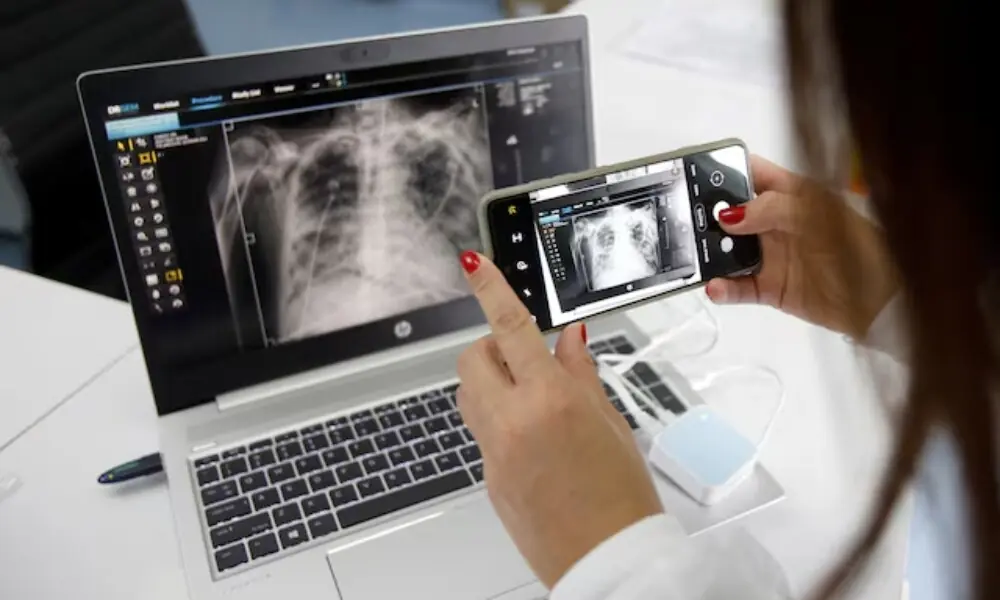

KARACHI: Pakistan’s pharmaceutical industry is set to accelerate artificial intelligence’s (AI) adoption - aiming to optimise the healthcare system including diagnosing diseases, discovering and prescribing medicines, and reducing adverse drug reactions.
The medicine manufacturing industry decided to adopt the most powerful tech tool at an official workshop on Monday ahead of the 8th PPMA (Pakistan Pharmaceutical Manufacturers Association) Pharma Summit titled ‘The Future of Pharma: AI Integration for Enhanced Drug Discovery and Personalised Medicine’, which is scheduled to be held on Wednesday.
“Demis Hassabis - the founder of Google DeepMind who won the Nobel Prize for AI in chemistry in 2024 - has said all major diseases could be eliminated within 10 years with the help of AI. This is transformative. This is going to change the pharmaceutical industry,” said Jim Harris, AI, GenAI & Disruptive Innovation Expert, Bestselling Author, 2024 TEC Canada speaker of the year in his half-day address at the thought-provoking workshop.
Google DeepMind is using the AlphaFold AI to find pharmaceutical compounds capable of stopping cancer at its earliest stage (stage zero cancer). Earlier, the same AI model mapped one protein in just two seconds compared to a PhD student taking five-year to do so in the past. This suggested the AI increased productivity by a billion-x (time). This is mind blowing, he said.
He maintained that the world has invented a PillCam - one of the smallest medical cameras in the world. This is a swallowable pill-sized capsule with two cameras and Wi-Fi transmitters. This allows physicians to take pictures of the inside of the gastrointestinal tract, particularly the small bowel, use AI to analyse those photos and find out if a patient has precancerous polyps. He also gave a talk on AI diagnosing cancer tumours and other diseases through blood tests.
Young cardiologists turn to AI for treatment of heart disease
Harris provided several examples of how AI is helping patients reduce wait times to see a doctor—from months to just days—and enabling virtual consultations through Zoom, telemedicine, and other telehealth platforms.
To recall, some of the domestic pharmaceutical companies have already deployed AI and advanced technologies to improve drug development processes and detect drug reactions. They are using telemedicine, AI chatbots like DiBot to track and connect with patients and launched their own e-commerce platform following a direct-to-consumer (DTC) model, it was learnt.
While talking to Business Recorder on the sideline of the event, Harris, who is a global thought leader driving AI-powered transformation across industries, including healthcare and pharma, said AI is the most powerful tool that humanity has ever created. It is literally transforming every company and every industry.
“So AI can be used to accelerate drug discovery. It can help with a process inside organisations. So what used to be repetitive dull processes can be greatly accelerated. It can actually help patients discover what it is that their medical challenge is. We have used it in Canada with our friends when the medical system is unable to figure out what is wrong with them because they have so many different doctors and specialists working on it. And here is a great example - adverse drug reactions. People don’t even know which medicines have been prescribed to a patient because different specialists are prescribing them. So it can actually help us reduce adverse drug reactions.”
AI can also be used to modernise medicine production, marketing and their exports, as pharmaceutical firms are striving to boost their exports to increase access to medicine globally, he said.
The workshop participants, however, pointed out that AI works with the availability of data, while there is no single national database of patients, diseases and other related sets of data available in Pakistan. This is a serious bottleneck in the country.
They said the AI is being increasingly used for self-medication in the country which is dangerous, as there are available different drugs to be used for the same paint point in different scenarios.
PPMA Chairman Tauqeer Ul Haq said the AI would bring excellence in the pharma industry in Pakistan. AI would help increase productivity, marketing and boosting exports.
The workshop participants have given good feedback on AI use in the industry, he added.


























Comments
Comments are closed for this article.