


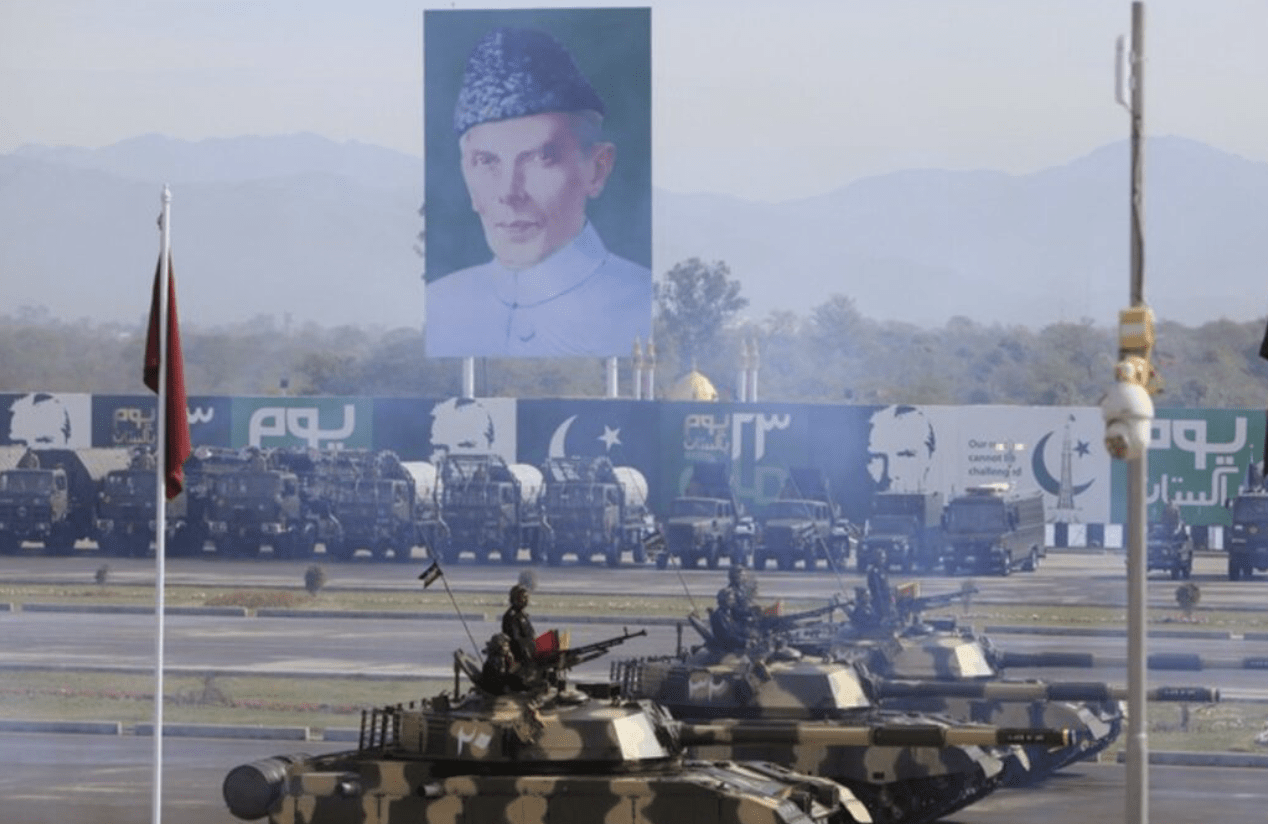

Since its birth in 1947, Pakistan has journeyed through triumphs, turbulence, and tenacity. Forged in the crucible of Partition, it inherited fractured infrastructure, a fragile economy, and a volatile neighbourhood. Yet within decades, Pakistan defied odds—building institutions, nurturing civil society, and asserting strategic relevance.
Today, the question is no longer what went wrong. It is: how do we finally get it right?
Pakistan’s early years were defined by institutional consolidation and diplomatic agility. The establishment of a robust military, a functioning bureaucracy, and a legal framework laid the foundation for statecraft. The Green Revolution in agriculture, the Indus Basin irrigation system, and major dams like Tarbela and Mangla transformed food security and energy access.
In science and technology, Pakistan made bold strides. The nuclear program -culminating in the 1998 tests - was a testament to strategic resolve. SUPARCO, though underfunded, laid early groundwork for satellite development. In medicine and philanthropy, figures like Abdul Sattar Edhi and Dr. Adeeb Rizvi built institutions that rival global benchmarks.
Pakistan also produced two Nobel laureates whose achievements continue to inspire. Dr. Abdus Salam, a theoretical physicist, was awarded the Nobel Prize in Physics for his pioneering work in electroweak theory. Malala Yousafzai - the youngest Nobel Peace Prize laureate - became a beacon for youth empowerment and gender equity. Karachi, once the beating heart of Pakistan’s commercial enterprise; Pakistan International Airlines (PIA) was not only a symbol of national pride - it was a global leader; helping launch Emirates, Air Malta, and other carriers.
Culturally, Pakistan’s literary, musical, and artistic heritage flourished. From Faiz Ahmed Faiz’s poetry to Nusrat Fateh Ali Khan’s qawwali, Pakistan projected soft power that transcended borders. In sports, Pakistan once dominated the global stage - world champions in hockey, squash, and cricket. The 1992 World Cup win united a divided nation, while legends like Jahangir Khan and Jansher Khan inspired generations.
Yet these achievements coexist with chronic underperformance. Political instability -punctuated by military coups, judicial overreach, and dynastic politics - has eroded democratic continuity. Civil-military imbalance remains a structural fault line, often stalling reform and undermining civilian authority.
Economic mismanagement has been another Achilles’ heel. Despite abundant natural resources - coal, copper, gas, and fertile land - Pakistan has struggled with fiscal discipline, tax reform, and industrial diversification. Reliance on foreign aid and IMF bailouts has created a cycle of dependency, stifling innovation and self-reliance.
Education and health sectors remain underfunded and unevenly distributed. Literacy rates hover below regional averages; public health infrastructure is overstretched; brain drains continues to sap talent, while youth unemployment fuels disillusionment. Security challenges - ranging from terrorism to sectarian violence - have diverted resources and attention from development. The war on terror cost: thousands of lives lost, billions spent, and a tarnished global image.
Why Pakistan has not realized its potential
The answer lies in a convergence of internal contradictions and external pressures. Internally, Pakistan has struggled to build consensus on national priorities. Ethnic divisions, provincial disparities, and ideological polarization have fragmented policymaking. The absence of long-term planning - replaced by reactive governance - has led to policy reversals and institutional fatigue.
Externally, Pakistan’s geopolitical location - while strategic - has often been a double-edged sword. Entanglements in Cold War alliances, the Afghan conflict, and regional rivalries have shaped foreign policy more than domestic imperatives. Strategic depth often came at the expense of economic breadth.
Moreover, Pakistan’s elite capture - where a narrow segment controls wealth, influence, and policy - has perpetuated inequality and stifled meritocracy. Land reforms were never fully implemented. Industrial cartels and monopolies have resisted competition. The disconnect between governance and grassroots needs remains stark.
The tragedy of East Pakistan’s secession in 1971 was a watershed moment - born of political neglect, economic disparity, and cultural alienation. Yet, half a century later, the lessons remain unlearned. In Balochistan, similar patterns of marginalization persist. Pakistan must treat every province not as a periphery, but as a partner.
The path forward: Six pillars of renewal:
Institutional reform and rule of law: Strengthen democratic institutions, ensure judicial independence, and depoliticize civil services. Accountability must be institutional - not episodic.
Economic diversification and innovation: Move beyond textiles and agriculture. Invest in IT, renewable energy, and value-added manufacturing. Reform taxation and document the informal economy.
Education and human capital: Declare a national education emergency. Reform curricula, train teachers, and expand vocational and digital learning. Scale public-private partnerships in health and education;
Regional connectivity and peace diplomacy: Pivot from confrontation to cooperation. Trade with neighbours, cultural exchanges and regional infrastructure can build trust and strategic depth.
Climate resilience and sustainability: Prioritize water management, reforestation, and disaster preparedness. Integrate green infrastructure into urban planning.
Civic engagement and narrative sovereignty: Reclaim Pakistan’s story. Empower youth, promote pluralism, and foster inclusive discourse through media, academia, and civil society.
A nation waiting to rise
Pakistan’s journey has been neither linear nor easy - but its resilience is undeniable. It has weathered wars, disasters, and internal strife. What it now demands is not just reform, but renewal. A new social contract - rooted in equity, accountability, and aspiration - can unlock the promise long deferred.
Pakistan’s potential is not theoretical - it is tangible. It lives in its classrooms and clinics, its startups and studios, its villages and cities.
It pulses through the mountains of Gilgit-Baltistan, the deserts of Thar, the shores of Gwadar, and the streets of Karachi - once a global aviation hub and cradle of commercial dynamism. It echoes in the hopes of Balochistan’s youth - long marginalized, now central to the nation’s future.
The time for hesitation is over. The time for transformation is now.
The article does not necessarily reflect the opinion of Business Recorder or its owners.
The writer is a retired Group Captain of PAF, and now a security analyst

























Comments
Comments are closed for this article.