


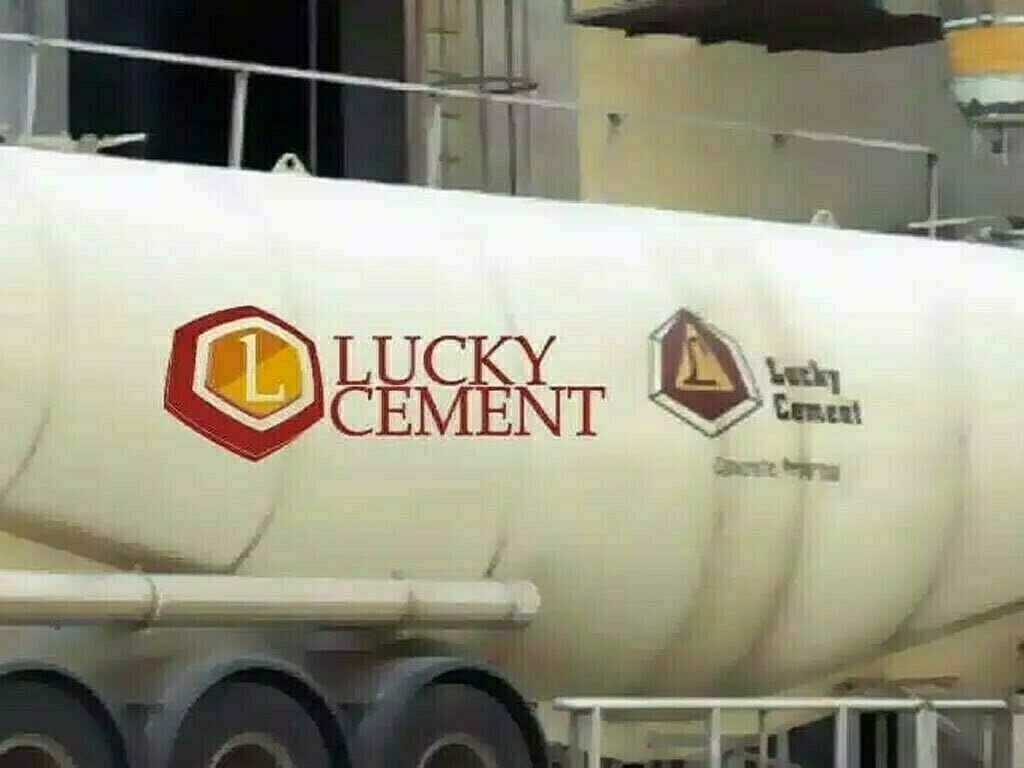

The largest cement manufacturer in the country, Lucky Cement (PSX: LUCK) might be coming across a little stingy. The company has ended the fiscal year with a growth of 22 percent in its earnings per share, and yet the dividend payout stands at only 18 percent, higher than last year but lower than the average of 27 percent for the years that the company did give a payout since FY16. The company is putting its eggs in its investments basket by pouring Rs1.2 billion in its associated company for copper and gold exploration in Baluchistan.
While dividends are not proportional to income, in absolute terms Rs4 per share is still the highest dividend ever given out. While the company may be ploughing back a higher share of profits into investments, shareholders should remain confident as the company finds a disciplined capital allocation positionby funding long-term growth initiatives and continuing to diversify its income streams.
To put that in perspective, in FY25, other income contributed 43 percent to before-tax earnings. This used to be 8 percent and 11 percent in FY16 and FY17. As a matter of fact, with near negligible finance costs, the other income of 16 percent (of revenue) covers all the overheads and expenses (12% of revenue) and a portion of the company’s income taxes. This is something to write home about.
The company’s domestic dispatches during the year fell 7 percent, made up for by an export growth of 53 percent. Since exports fetch lower prices, the resultant revenue per ton sold despite improved domestic retention prices remained the same as last year. Lower coal costs and utilization of alternative energy sources brought costs per ton sold down by 1 percent, despite higher royalty payments and expensive grid electricity.
The coming year will showcase a turnaround in domestic demand, driven by development spending and government’s tax and subsidy initiatives to boost construction and real estate activity. This will feed cement industry’s demand that has been missing in action. In FY25, industry domestic offtake was down 3 percent while industry capacity utilization was trailing close to 50 percent. This will shore up profits for all cement companies, not necessarily Lucky. But it is clear that even a shortage of demand does not pose a major threatto a company like Lucky as it has enough preparation to weather the fiercest of storms.

























Comments
Comments are closed for this article.