


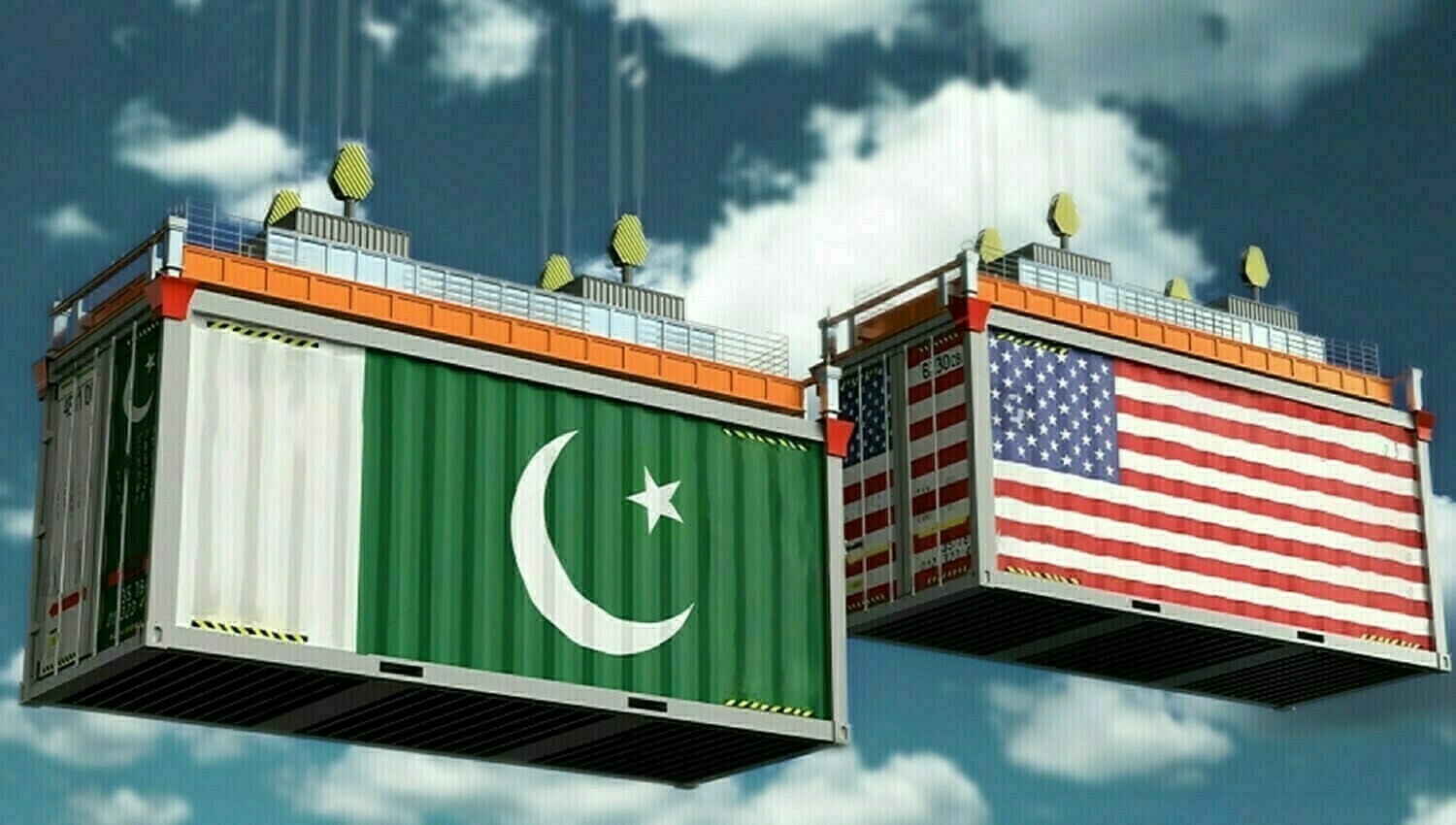

Despite securing the lowest tariff rates on exports to the United States in the region, Pakistan risks losing this competitive edge due to high energy costs and production inefficiencies, warned Atif Ikram Sheikh, President of the Federation of Pakistan Chambers of Commerce and Industry (FPCCI).
The United States has lowered its reciprocal tariff rate on Pakistani goods to 19%, compared to the 20–25% imposed on regional competitors such as Bangladesh, Vietnam, and Sri Lanka.
Meanwhile, archrival India faced a 50% tariff after US President Donald Trump issued an executive order imposing an additional 25% tariff on goods from India on Wednesday, adding to the 25% tariffs already announced.
“The US has imposed the lowest tariff in the region on Pakistani products,” said Atif Ikram Sheikh, urging authorities to “take full advantage” of this situation, read a statement on Thursday.
However, higher production costs in Pakistan, as compared to other countries in the region, can neutralise this benefit, he warned.
“Taxes, high electricity rates and gas prices for the industry are a major obstacle to taking advantage of low tariffs,” said Sheikh, urging the government to take immediate action to resolve these issues and reduce energy prices for the industrial sector.
“A significant increase in exports, especially textiles, to the US is possible amid a reduction in production costs,” he said.
The US administration struck a deal with Pakistan, in which Washington would work with Islamabad to develop the South Asian nation’s oil reserves.
“We have just concluded a Deal with the Country of Pakistan, whereby Pakistan and the United States will work together on developing their massive Oil Reserves,” Trump wrote on social media.
Islamabad described the deal as a marker of a broader partnership with Washington. Finance Minister Muhammad Aurangzeb, who led the final round of talks, said there was a larger economic and strategic agreement.
The US is Pakistan’s biggest trade partner. “This golden opportunity should be taken advantage of,” said President FPCCI.
He said that investment in the export sector is essential, saying that Pakistan must create a conducive environment for FDI. “Low tariffs, single-digit interest rates, sustainable policies and long-term planning are the solution to the problems,” he said.






















Comments
Comments are closed for this article.