


Pakistan’s scorching summer: a nation in the front line of climate breakdown — I
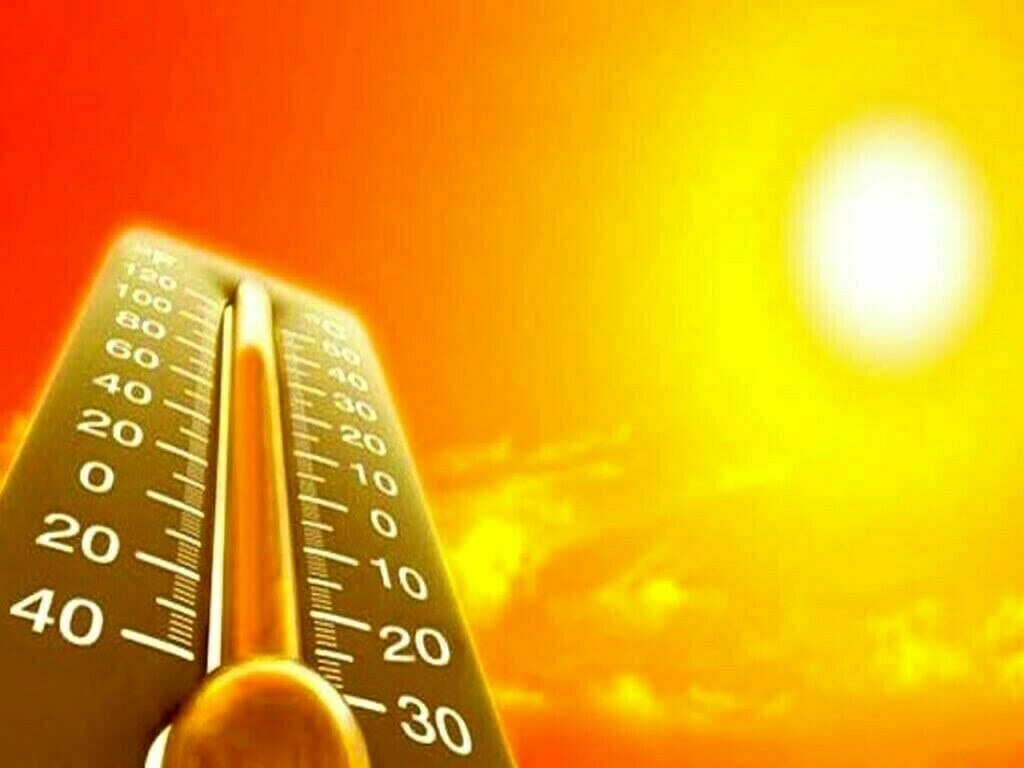
Pakistan is experiencing its hottest and most extreme summer of the decade. This crisis is not a natural occurrence, but the result of years of unchecked environmental degradation that have pushed the climate system to a breaking point. What was once considered an anomaly is now becoming an alarming new norm.
In the first half of 2025 alone, Pakistan has been struck by two major climate-related disasters: an extreme heatwave in Sindh and a devastating glacial lake outburst flood (GLOF) in Gilgit-Baltistan. The heatwave pushed temperatures in Jacobabad beyond 52°C, while the GLOF wiped out entire communities in Hunza Valley, displacing thousands.
Since April 2025, a series of intense heatwaves have struck Pakistan, with June bringing the most brutal temperatures. Dera Ghazi Khan recorded highs of 50°C, while Lahore, Sargodha, and other urban centers soared around 47°C to 49°C. Even regions like Gilgit-Baltistan and Khyber Pakhtunkhwa, historically known cooler zones, have reported unseasonably high temperatures.
Countless factors contribute to the single, predominant challenge of climate change. While Pakistan battles record-breaking heatwaves and growing climate instability, it’s important to acknowledge a harsh truth: the country is suffering the consequences of a crisis it did not create.
Despite contributing less than 1% to global greenhouse gas emissions, Pakistan faces some of the most devastating impacts of climate change. Pakistan’s climate change vulnerability is deeply linked to its geography.
Pakistan lies at the crossroads of melting glaciers, arid zones, and low-lying coastal areas. The Intergovernmental Panel on Climate Change (IPCC, 2021) places Pakistan among the ten most climate-vulnerable countries.
Global warming, which is driven largely by industrialized nations, has raised baseline temperatures around the world, setting the stage for more frequent and intense heat events. Shifts in atmospheric patterns, including high-pressure systems that trap heat, further exacerbate the problem.
In Pakistan’s rapidly expanding cities, heat is magnified by the urban heat island effect, as concrete structures and reduced green cover retain and radiate warmth. Meanwhile, widespread deforestation and soil degradation leave the land dry and unable to cool naturally.
Faiza Riasat (A student of NUST, Environmental Engineering IESE)
Copyright Business Recorder, 2025

























Comments
Comments are closed for this article.