


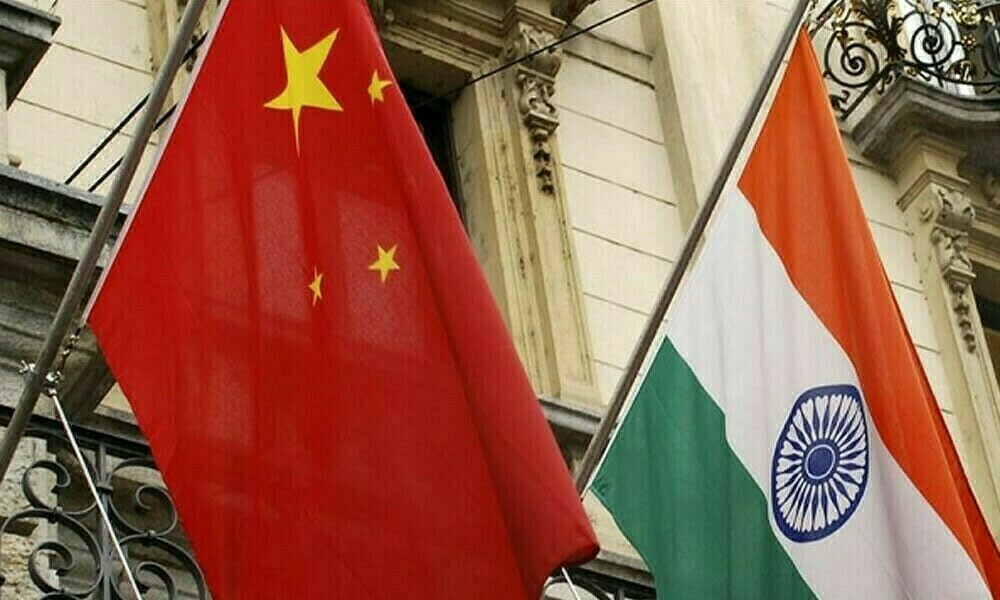

NEW DELHI: The Indian government’s top think tank has proposed easing rules that de facto require extra scrutiny for investments by Chinese companies, arguing that the rules have meant delays for some sizeable deals, three government sources said.
Currently, all investment by Chinese entities in Indian companies need to gain a security clearance from both India’s home and foreign ministries.
The think tank, NITI Aayog, has proposed that Chinese companies can take a stake of up to 24% in an Indian company without any approval being required, said the sources who were not authorised to speak to media and declined to be identified.
The proposal, reported for the first time by Reuters, is part of a plan to boost foreign direct investment in India and is being studied by the trade ministry’s industries department, the finance and foreign ministries, as well as Prime Minister Narendra Modi’s office, the sources said.
And while not all of NITI Aayog’s ideas are necessarily taken up by the government, the proposal comes at a time when India and China are seeking to mend ties that have been particularly strained since border clashes in 2020.
Avoiding trade curbs vital for normalisation of ties, India tells China
Any decision to ease might be months away and will be taken by political leaders, two of the sources said. They added that the industries department is in favour of easing, but the other government bodies are yet to give their final view.
NITI Aayog, the ministries, the industries department and the prime minister’s office did not reply to Reuters requests for comment.
Deals shelved
The rules were put in place in 2020 after border clashes, including hand-to-hand fighting between the two neighbours.
They only apply to land bordering nations, which affects Chinese companies the most. By contrast, companies from other countries can freely invest in many sectors such as manufacturing and pharmaceuticals, while some sensitive sectors such as defence, banking and media have restrictions.
Deals such as a 2023 plan by China’s BYD to invest $1 billion in an electric car joint venture have been shelved due to the rules, sources have said.
China, India should work towards ‘win-win’ cooperation: Chinese FM
While foreign investment has slowed globally since Russia’s invasion of Ukraine, the rules hampering Chinese investment in India have been seen as a significant factor behind a large drop in the South Asian country’s FDI. Net foreign direct investment in India tumbled to a record low of just $353 million in the past financial year, a fraction of the $43.9 billion logged in the year ended March 2021.
An easing in military tensions since October has led to more efforts by both countries to mend ties, with plans for the resumption of direct flights and India seeking a “permanent solution” to their decades-old border dispute.
Indian Foreign Minister Subrahmanyam Jaishankar’s made his first trip to China in five years this week, telling his counterpart that the two nations must settle tensions along their border and avoid restrictive trade measures such as China’s curbs on the supply of rare earth magnets.
The think tank has also recommended revamping the board that decides on foreign direct investment proposals, the sources said.

























Comments
Comments are closed for this article.