


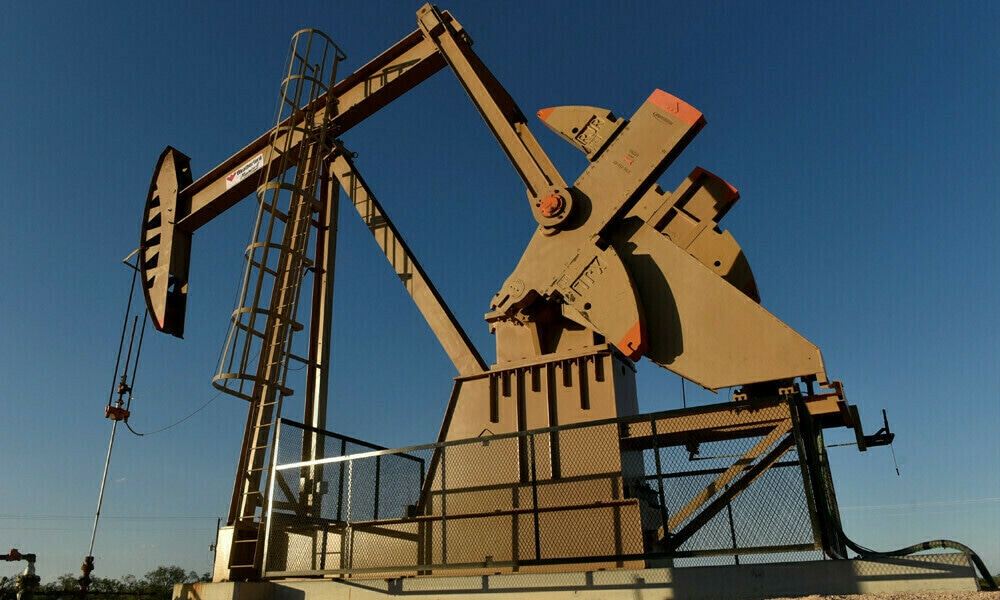

The global oil market in 2025 has become a delicate balancing act, influenced significantly by the decisions of OPEC and the International Energy Agency (IEA). Earlier this year, the market struggled with slow demand due to ongoing trade tensions and economic uncertainty in key economies.
Initially, OPEC+ tried to keep oil prices stable by maintaining deep production cuts of around five million barrels per day.
However, starting in April, OPEC+ shifted gears, gradually increasing production again. Their goal was straightforward: regain market share and counter growing supply from non-OPEC producers, particularly the United States.
Over May and June 2025, they steadily increased output, adding roughly 400,000 barrels per day each month. By July, they ramped up the pace further, deciding to boost production by another 548,000 barrels per day in August, followed by around 550,000 more barrels per day planned for September. By that point, OPEC+ will have fully reversed their earlier production cuts.
Notably, the UAE emerged as a standout within the group, announcing it would significantly raise its production by an additional 300,000 barrels per day, showcasing its ambitions to play a bigger role in global oil markets.
Meanwhile, the IEA in July 2025 revised its outlook for the year, predicting a bigger supply increase of about 2.1 million barrels per day, slightly higher than previously expected. Interestingly, the IEA also noted that demand growth for oil in 2025 would remain unusually low, growing at just 700,000 barrels per day—the slowest growth rate seen outside of a global crisis year since 2009.
Yet despite forecasting this supply surplus, the IEA warned the market might still feel tight in the short-term, especially during summer months, as refineries are operating at full capacity and global oil inventories remain relatively low. This unusual situation created uncertainty and volatility, making price movements unpredictable.
Throughout early July, oil prices have experienced noticeable swings. Initially, they dipped sharply due to fears over trade tariffs and slower economic growth in major markets like the United States and China. But by now, prices recovered somewhat, edging back up toward $70 per barrel. This rebound came as traders focused on short-term factors, including strong summer demand and tighter physical supplies in the market.
Looking ahead, OPEC remains optimistic about the long-term future of oil, expecting global oil consumption to rise steadily to approximately 123 million barrels per day by 2050. To meet this growing demand, especially from emerging markets, OPEC stressed the need for substantial investment in refining infrastructure, suggesting that the world would require an additional 195 million barrels per day of refining capacity over the next few decades.
In summary, the global oil market midway through 2025 finds itself navigating conflicting signals. While overall supply growth is outpacing weak demand, short-term factors like seasonal refinery use and lower inventories are keeping markets tighter than expected. Both OPEC and the IEA, despite their differing perspectives, highlight the need for flexibility, ongoing investment, and cautious optimism as they steer through this uncertain period.
Copyright Business Recorder, 2025

























Comments
Comments are closed for this article.