


NUST roundtable calls for approach to counter India’s pro-conflict proclivities
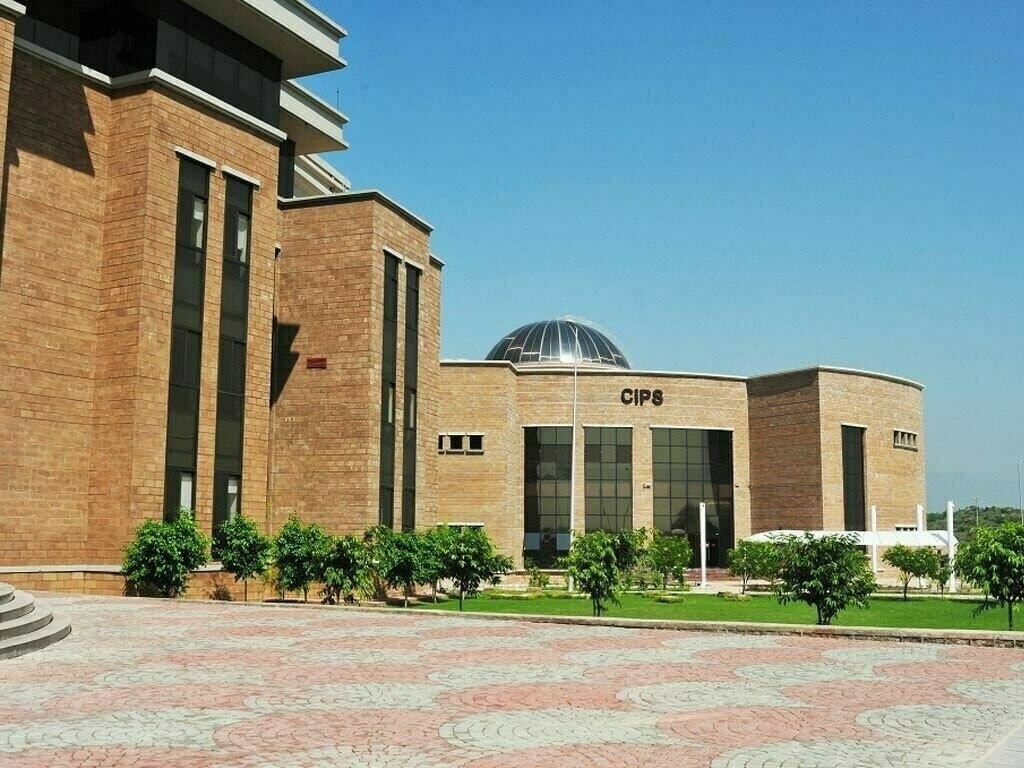

ISLAMABAD: The NUST Institute of Policy Studies (NIPS) and the NUST Center for Peace and Stability (CIPS) co-organised a high-level roundtable on “Indo-Pak Military Conflict: Implications, Challenges, and Opportunities for Regional Stability”.
The roundtable, featuring three keynote addresses, was attended by statesmen, former senior civil and military officials, veteran ambassadors, public officials, academics, think tank experts, scholars, researchers, and students. There was an expert consensus that rising instability, Indian aggression, and moves to undermine the Indus Waters Treaty require stronger deterrence and active diplomatic and legal responses.
The first keynote speaker, Ambassador Zamir Akram, Advisor to the Strategic Plans Division, noted that although Pakistan’s nuclear deterrence was sufficient to prevent a full-scale war, India’s unregenerate belligerence was a standing threat to peace and stability in the region.
He also highlighted some positive implications for Pakistan, such as the return of the Kashmir issue to the international agenda and the strong message of Pakistan-China partnership, debunking skepticism surrounding the bilateralism. The veteran diplomat also called for a long-term diplomatic effort to counter India’s ‘new normal,’ making efforts at the same time to develop a bilateral crisis management mechanism with India.
In his speech, Dr Arshad Mahmood, Assistant Professor at the Centre for International Peace and Stability (CIPS), NUST, underscored the recent phase of the transition in Indo-Pak relations, highlighting Modi regime’s oversize ambitions for regional hegemony. He emphasised India’s strategic miscalculations regarding Pakistan’s response and warned about the emerging norm of false flag operations, while stressing the importance of a stronger economy and technological advancement.
In his concluding remarks, Dr Ashfaque Hasan Khan, DG NIPS, stressed the crucial role of Pakistani media in the global promotion of a fact-based narrative for countering the inveterate mendacity of the Indian media. He said there was a need for increased investment for the development of Pakistani media. He also underscored greater efforts at both intra-regional and inter-regional connectivity.
Copyright Business Recorder, 2025

























Comments
Comments are closed for this article.