


India’s central bank seeks approval for overseas rupee lending to neighbours, sources say
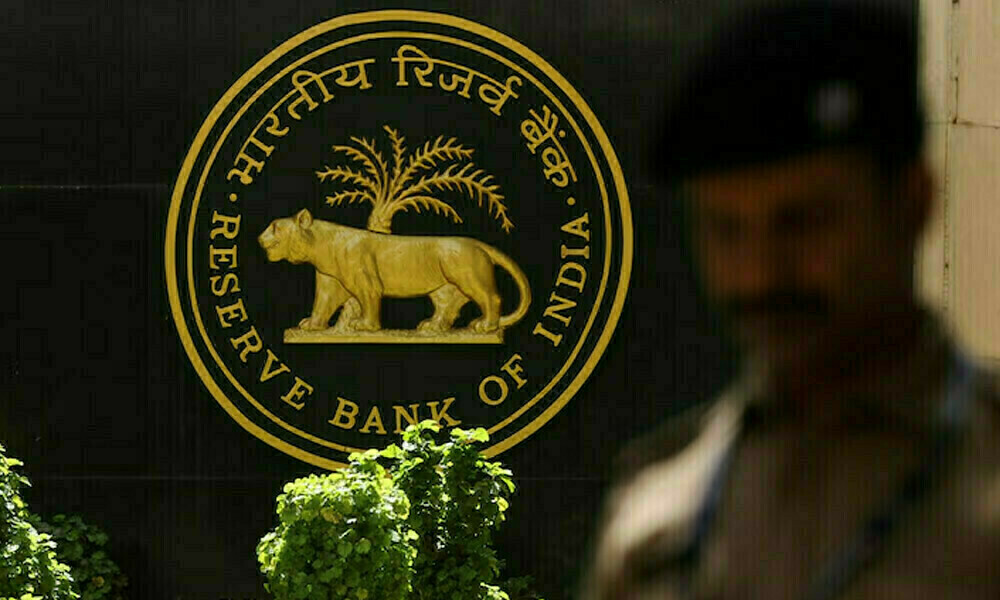

NEW DELHI: India’s central bank is taking another step to internationalise the rupee, seeking approval to allow domestic banks to lend the currency to overseas borrowers for the first time, two sources said.
The Reserve Bank of India (RBI) has asked the federal government to allow domestic banks and their foreign branches to lend Indian rupees to overseas borrowers to enhance the use and acceptability of the local currency in trade.
The proposal, which was sent to the finance ministry last month, suggests lending in rupees to non-residents can begin in neighbouring countries such as Bangladesh, Bhutan, Nepal and Sri Lanka, the sources said.
If successful, such rupee-denominated lending could be extended to cross-border transactions globally, one of the sources said. According to Ministry of Commerce data, 90% of India’s exports to South Asia were to these four nations in 2024/25, amounting to nearly $25 billion.
Currently, foreign branches of Indian banks are restricted to providing loans in foreign currencies and such loans are extended mainly to Indian firms.
The sources declined to be identified as the discussions are confidential. Emails sent to the Finance Ministry and the RBI requesting comment did not receive a response.
The central bank has been taking steps to increase the use of the local currency in global trade and investment.
As part of the strategy, RBI recently permitted the opening of rupee accounts for non-residents outside India.
India central bank to transfer record surplus of 2.69 trillion rupees to government for FY25
Earlier this month, Reuters reported the RBI has sought government’s approval to remove the cap on foreign banks with so-called vostro accounts buying short-term sovereign debt, to boost rupee-denominated investment and trade.
The RBI will open the foreign loans in rupees only for the purpose of trade, the sources said.
Currently, rupee liquidity is provided in other countries only through a limited number of government-backed credit lines or bilateral currency swap arrangements.
“The objective is to reduce dependence on such arrangements and instead allow commercial banks to provide rupee liquidity on market terms,” the first source said, citing a communication from the central bank in April.
The second source said enabling easier access to rupee-denominated loans will help facilitate trade settlements in rupees and reduce exposure to foreign exchange volatility.
The government has received several requests from financial institutions to support strategic projects through rupee-denominated financing, the second source said.
India’s experience with local currency pacts with the United Arab Emirates, Indonesia, and the Maldives, as well as Special Rupee Vostro Accounts used for trade with Sri Lanka and Bangladesh, has underscored the need to deepen the availability of rupee liquidity, the source said.
If implemented, the policy would mark a major step toward integrating the rupee into the global financial system, positioning it as a more widely accepted currency for international trade and investment, the second source added.


























Comments
Comments are closed for this article.