


Asian currencies: Taiwan dollar set for biggest jump since 1980s
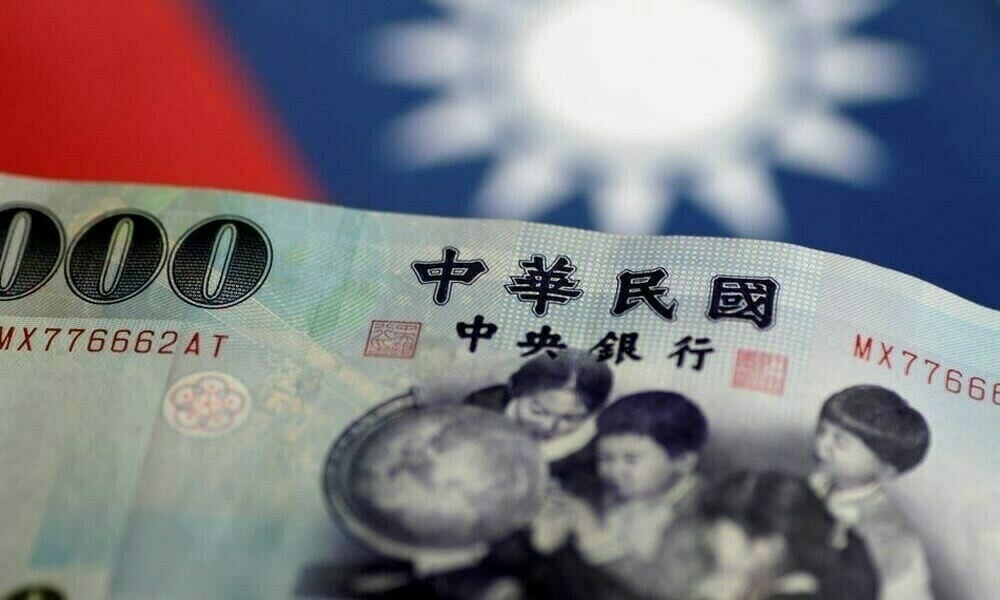

BENGALURU: The Taiwan dollar was poised for its biggest single-day gain since the 1980s on Monday, as the convergence of strong economic data and cooling global trade tensions ushered investors into the island’s currency.
Taiwan’s currency appreciated as high as 29.59 per US dollar, its highest level in nearly three years. It was last trading at 30.04.
Typically a quiet player in emerging Asian currency markets, the Taiwan dollar’s historic rally underscores a broader re-rating of the region’s economic prospects, with its role in the global semiconductor and AI supply chains becoming ever more critical.
“The massive gains have been catalysed by prospects of dialogue between the US and China, poor market liquidity and absence of FX support,” said Christopher Wong, currency strategist at OCBC.
Including the day’s moves, the Taiwan dollar has surged around 9% over the past six sessions - a “faster-than-expected pace”, according to Wong.
This “caught many market participants off guard, prompting a rush to convert US dollars into local currency,” Wong said.
Equities fell 1.2% on worries that the currency’s strength would make exports more expensive.
Taiwan’s government said over the weekend it had ended its first round of “substantive” tariff talks with the United States. Separately, its central bank governor said he would address reporters on the domestic foreign exchange market later in the day.
As traders positioned themselves ahead of any concrete signals from Washington and Beijing, risk sentiment across the region improved markedly, fueling gains from the Malaysian ringgit to the Singapore dollar.
A mix of repatriation flows and investors seeking alternatives amid the “sell America” trend has recently bolstered Asian currencies.
The Indonesian rupiah pared gains after data showed that Southeast Asia’s largest economy grew at its slowest pace in more than three years.
“Bank Indonesia (BI) prioritised financial market stability over its other objectives in the first quarter, helped by a conducive inflation backdrop,” said Radhika Rao, senior economist with DBS.
“We expect this cautious outlook to persist on tariff developments and consequent impact on the region, while BI prefers to be opportunistic with the timing of rate cuts.”
The Malaysian ringgit rose 1.5% to its highest since October 2024, and the Singapore dollar added 0.4%.
Mitul Kotecha, head of Asia FX and emerging markets macro strategy at Barclays, said Asia was playing catch-up with the drop in the US dollar versus major currencies.
Markets in China, Japan and South Korea were closed on account of a public holiday, leading to thin volumes.


























Comments
Comments are closed for this article.