


As Asia LNG price retreats, China storage looms as key issue: Russell
- The first is that a spike in demand on the back of something unexpected can overwhelm available supply, even if the market is in a slight oversupply situation on an annual basis as a whole.
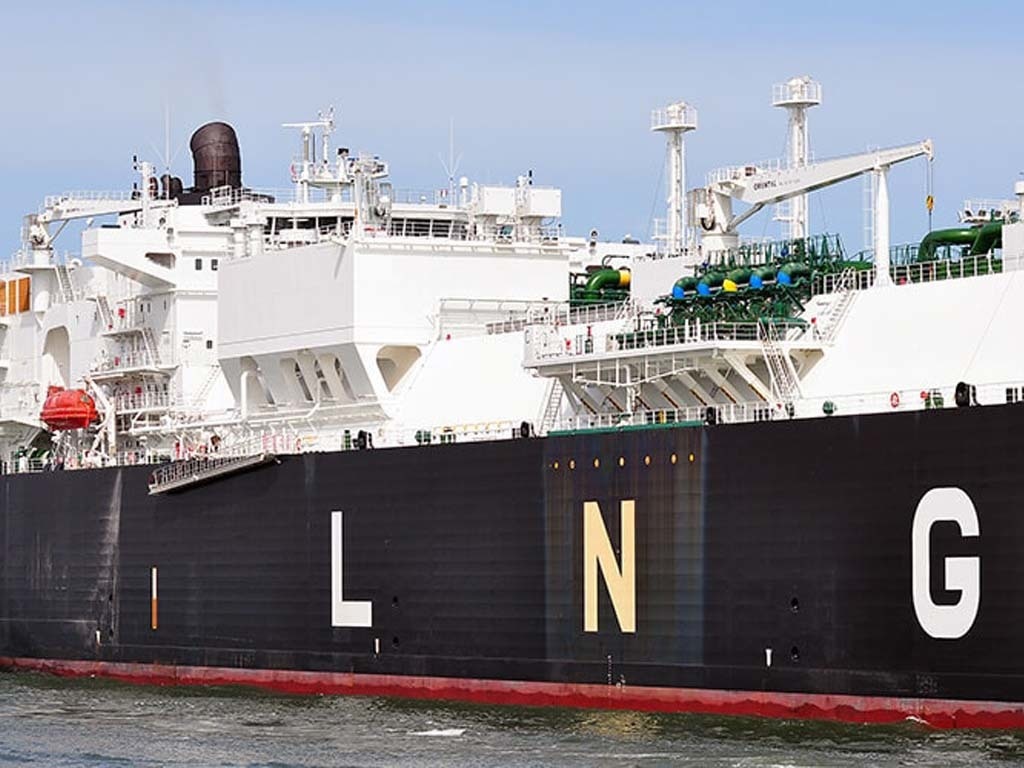

LAUNCESTON: The price of spot liquefied natural gas (LNG) in Asia has retreated almost as fast as it surged during a cold winter snap, leaving a market grappling with how best to deal with the recent extreme volatility.
The weekly assessment for spot LNG cargoes dropped to $5.60 per million British thermal units (mmBtu) in the week that ended Feb. 26, the lowest since early October and about 81% below the peak of $29 on Jan 15.
The true drop is probably even greater, as there were reports of a small number of cargoes trading at prices up to $34 per mmBtu amid a flurry to secure cargoes as colder-than-expected weather gripped North Asia, home to the world's three biggest importers: Japan, China and South Korea.
There are two main lessons from the unprecedented 1,468% rally from the coronavirus pandemic-inspired record low of $1.85 per mmBtu in May last year to the peak, and the subsequent rapid retreat in spot LNG prices.
The first is that a spike in demand on the back of something unexpected can overwhelm available supply, even if the market is in a slight oversupply situation on an annual basis as a whole.
The second is that the best way to deal with unanticipated volatility is to ensure that storage levels are adequate to meet all contingencies, and that natural gas stockpiles can be easily accessed and quickly moved to where demand is highest.
When looking at storage it appears that much of the problem is more about China, which has rapidly boosted its imports of both LNG and pipeline natural gas as it switches to the cleaner-burning fuel from more polluting coal boilers for industry and residential heating.



















Comments
Comments are closed for this article.