


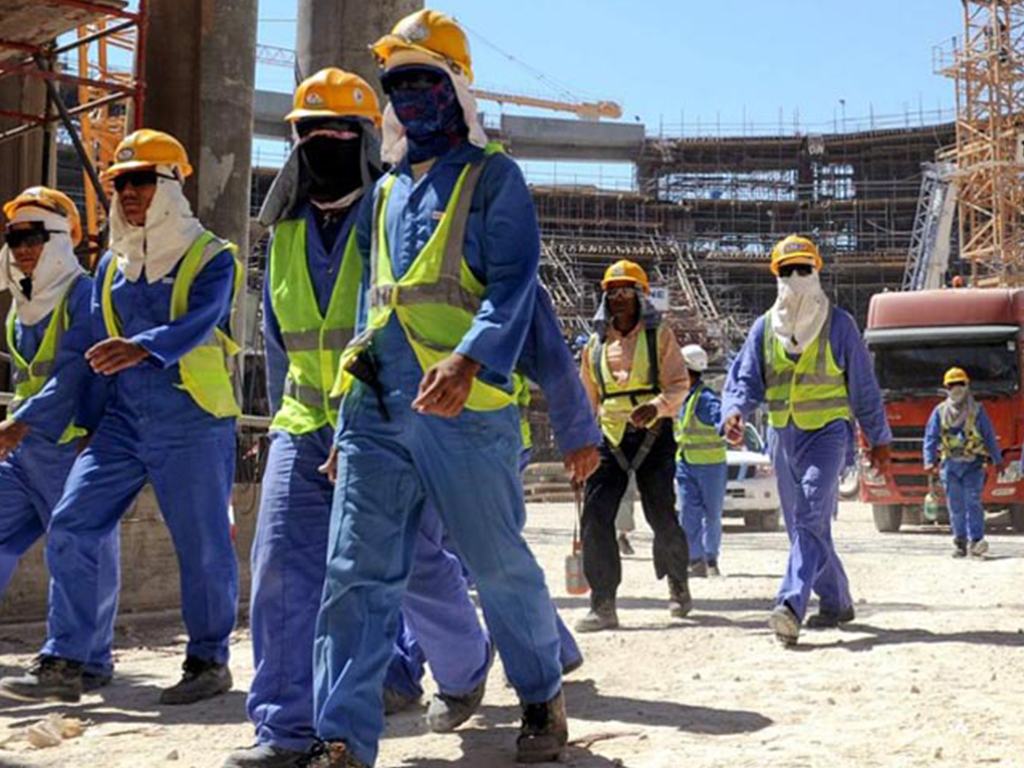

Builders were very happy a few months ago when the government announced a construction amnesty that meant a relaxed tax regime and waivers for new housing and construction projects. They are not too happy today. Hasan Bakhshi from the Association of Builders and Developers (ABAD) claims prices for steel rebars have gone up by Rs18,000 per ton over the last 1.5 months due to the “cartelization” of key steel bar players like Amreli, Agha, Naveena and so on. who are raising prices amid booming demand. Steel makers, on the other hand, cite increasing cost of raw material—primarily imported scrap—to be the primarily cause of price increase.
Both assertions are—in their own way—accurate. Steel scrap prices have increased in international markets (see graph), hitting a new peak as global supply disruptions, logistical challenges leading to port congestions and high freight are causing prices to catapult out of control. Between Dec-20 and Apr-20, prices of steel scrap are up by $154 per ton. The start and end of this year has seen country wide lockdowns in the first and second waves of covid-19, particularly in countries that are exporting steel scrap, such as the European Union (Read more: “Steel prices: No quandary”, Dec 22, 2020)
Locally, the past year or so has not seen too high a price incremental in these commodities. According to Pakistan Bureau of Statistics (PBS), price for construction input items went up 6 percent in Nov-20 against Nov-19 and 1.69 percent against Oct-20; compared to the CPI (urban) growth of 10.46 percent against Nov-19 and 1.09 percent against Oct-20. Inflation for construction items is below overall CPI increase. Meanwhile, the wholesale price index in Nov-20 for steel products went up merely 0.61 percent against this month last year while steel bar and sheets went up 0.23 percent. Comparatively, the same for cement was up 7.4 percent from last year against WPI growth of 5 percent in Nov-20 year on year.

High international scrap prices is certainly a concern, and not just for Pakistan. But trade statistics here in Pakistan depict a different picture. Imported steel scrap in dollar value per ton has actually decreased by 10 percent for the Jul-Nov-20 period year on year. In Nov-20, when the first price hike in local steel hit, imported scrap (per ton) cost 9 percent less compared to last year. This naturally means, steel manufacturers have paid less in dollar per ton for the steel scrap they imported this year against last. Imports are cheaper for Pakistan right now due to rupee appreciation.
The question is: what can the government possibly do? Steel manufacturers believe the government should cut down duties and taxes on raw material import. But this does not guarantee steel makers would drop prices or pass on the effect to consumers. International scrap prices will begin to normalize as pressures from covid are eased and global supply and shortage problems are resolved, but again does not guarantee steel manufacturers would decrease prices. Both cement and steel manufacturing has been robust over the past few months as construction demand picks up. Since most of the housing projects planned have not begun construction, demand over the next year will continue to only surge. Save for government imposing a restriction on price increases—though how it will regulate that and under what legal cover is another question—there is not much builders and home buyers can do but absorb the increased cost.


















Comments
Comments are closed for this article.