


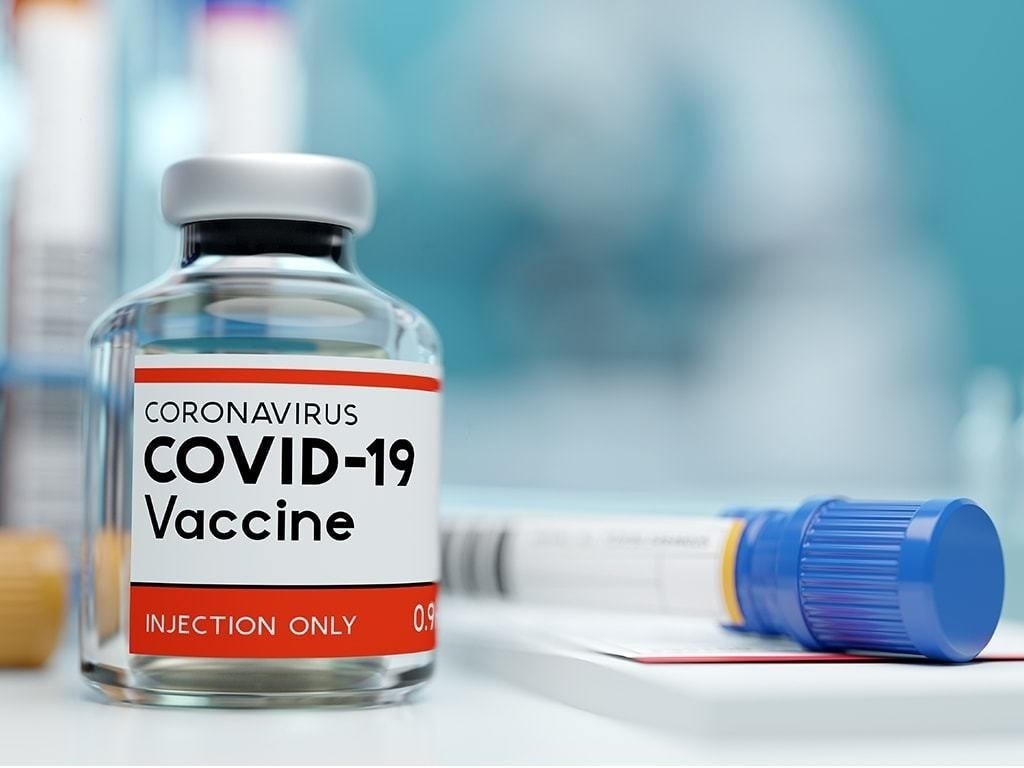

It isn’t clear when the world will rid itself of Covid-19. But the start of the vaccination drives in the West, amid expectation that the Chinese vaccines may be more accessible for developing countries, is a cause for hope. This light at the end of tunnel should buoy policymakers to tele-work about a different future. Question is: once things get somewhat normal, how will countries like Pakistan, with limited fiscal resources and monetary space, be able to heal their economic scars? While “preparedness” to land on the far side of Covid is early to judge, still, what is the policy thinking at this stage? Or how is it evolving?
For those willing to grow, there are lessons to be had. For instance, this crisis has exposed the need for real-time data on those who become unemployed, those who have to eat into their savings, or those who fall or fall deeper into poverty during an economic crisis. Without such data, providing relief measures is an exercise that misses the requisite scale and scope of interventions. In that context, it seems a bit strange when folks continue to cheer the current account surplus during this crisis, without even probing what may have happened to indicators of poverty and joblessness during the same crisis.
Among other crisis-era takeaways, to have self-sustenance in food items, essential medicines and life-saving medical equipment is something that needs a serious review. Moreover, digital economy needs a massive push on supply-side infrastructure and demand-side accessibility to make ICT-based services inclusive. In addition, a broader export base can better withstand external demand shock, instead of having a few major value-added products or commodities that become more vulnerable during downturns. Also, to keep demand from collapsing, some form of a universal basic income can be tried.
Those challenges, and many more, are most likely recognized by Pakistan’s proverbial policymakers. In some cases, difficulties are more pronounced than others. But the post-crisis thinking, if any, remains wedded to the past. The Prime Minister and his economic team continue to cite the Rs1.2 trillion relief package, announced back in March, as the government’s proof of all that it had done for economic recovery. However, it was a one-time package with lots of window dressing; in reality, it was much lower on direct income support; and to this day, the spending lacks empirical evaluation as to its impact.
The areas that the government seems to be focusing for post-crisis economic revival are also conventional. These include the construction sector, which was already high on the priority list in pre-crisis days. There is some movement on promoting industries like mobile phone assembly. Board of Investment has reportedly hired IFC to advise on new investment strategy focusing on priority sectors of textiles, autos, logistics, foods and IT. SME development is also on the government’s radar. There is no wrong in applying a traditional playbook, but do these tools hold sway in post-pandemic times?
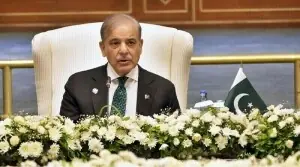
Earlier this week, the PM gave a speech to set the agenda for the remainder of his term. It was an opportunity to outline a post-pandemic vision, but the statements lacked specifics even on traditional challenges concerning power sector, agriculture, exports, etc. Meanwhile, the opposition may be a government-in-waiting, but it, too, has disappointed when it comes to creating a debate about economic recovery after Covid-19. And as for donors, they will likely package their new loans adjusting for Covid-related recovery needs, but will it improve project design, implementation and evaluation mechanisms?
Most likely, the government, policymakers and financiers will revert to pre-pandemic thinking, given it is what they know and have tried before, even if with mixed results. It also doesn’t help that policy imagination of a cash-strapped government is restricted due to a bailout by the lender of last resort. Energies in coming months will most likely be consumed on evaluating the prior actions and implications of restoring the stalled IMF programme. Meanwhile, the opportunity that the pandemic provided, for the public to debate what kind of a relationship they want with their government, has gone unnoticed.






Comments
Comments are closed for this article.