


Tunisia central bank chief urges govt to reduce spending plans
- Governor Marouan Abassi told a parliamentary committee that the central bank could finance the treasury to at most 3% of gross domestic product (GDP).
- "It is not true that the bank refuses to support the efforts of the state, but the central bank refuses to implement measures that further deepen the crisis and may affect the livelihood of Tunisians,
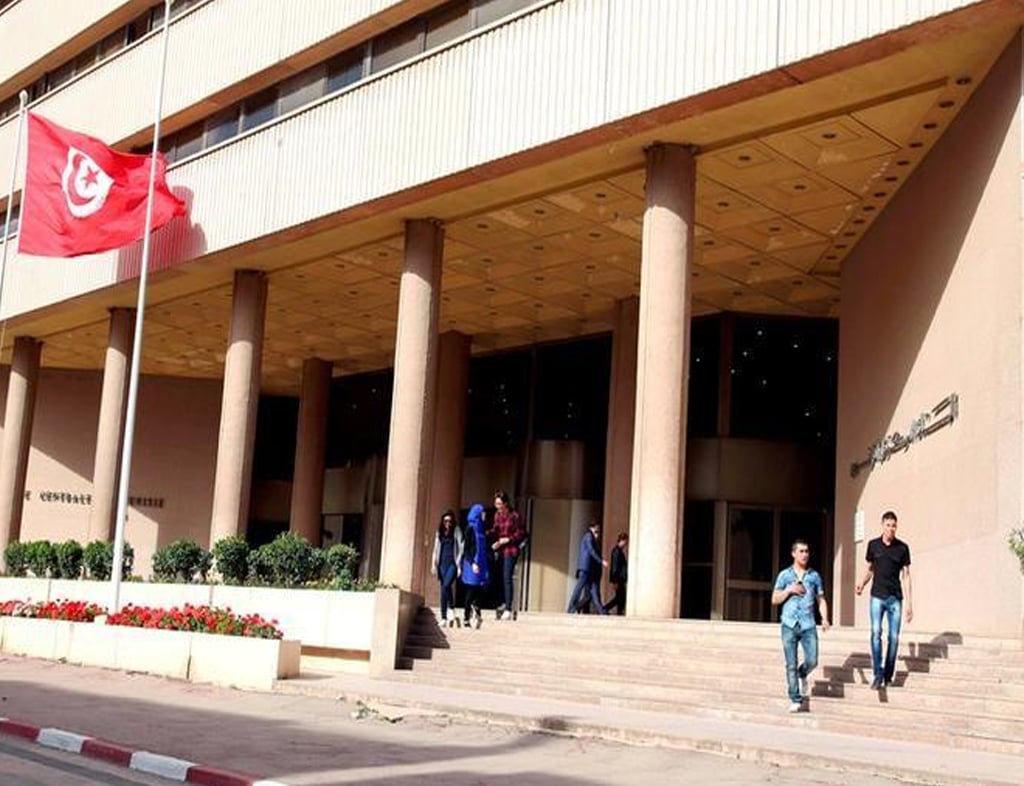

TUNIS: Tunisia's central bank governor called on the government on Wednesday to reduce its spending plans, after the government asked the bank to buy treasury bonds to help finance an expected record fiscal deficit equivalent to 14% of national output.
Governor Marouan Abassi told a parliamentary committee that the central bank could finance the treasury to at most 3% of gross domestic product (GDP), and would need parliamentary approval to buy bonds. He did not elaborate on where the 3% figure came from.
Tunisia's public finances are in a dire situation, with the government now forecasting a budget deficit of 14% of GDP in 2020, the highest in nearly four decades, largely due to a planned $4 billion increase in spending to alleviate the impact of the coronavirus pandemic.
"It is not true that the bank refuses to support the efforts of the state, but the central bank refuses to implement measures that further deepen the crisis and may affect the livelihood of Tunisians," Abassi said.
The government last week asked the central bank to buy bonds for the first time, and the bank's stance will likely reduce its options for financing the deficit, giving it a headache as parliament prepares to discuss a revised budget for 2020.
On Tuesday, the central bank warned that government plans to ask it to buy treasury bonds posed real risks for the economy, including greater pressure on liquidity, high inflation and a weakening of the local currency.
Finance Minister Ali Kooli declined to comment on questions sent by Reuters regarding the government's position on the central bank statement.
Tunisia's economy has been crippled by high debt and deteriorating public services, made worse by the global coronavirus outbreak, and a year of political uncertainty has complicated efforts to address those problems.

























Comments
Comments are closed for this article.