


Chinese banks urged to switch away from SWIFT as US sanctions loom
- The bank's chief economist Guan Tao was previously a director of the international payments department of State Administration of Foreign Exchange.
- A good punch to the enemy will save yourself from hundreds of punches from your enemies," the report wrote,
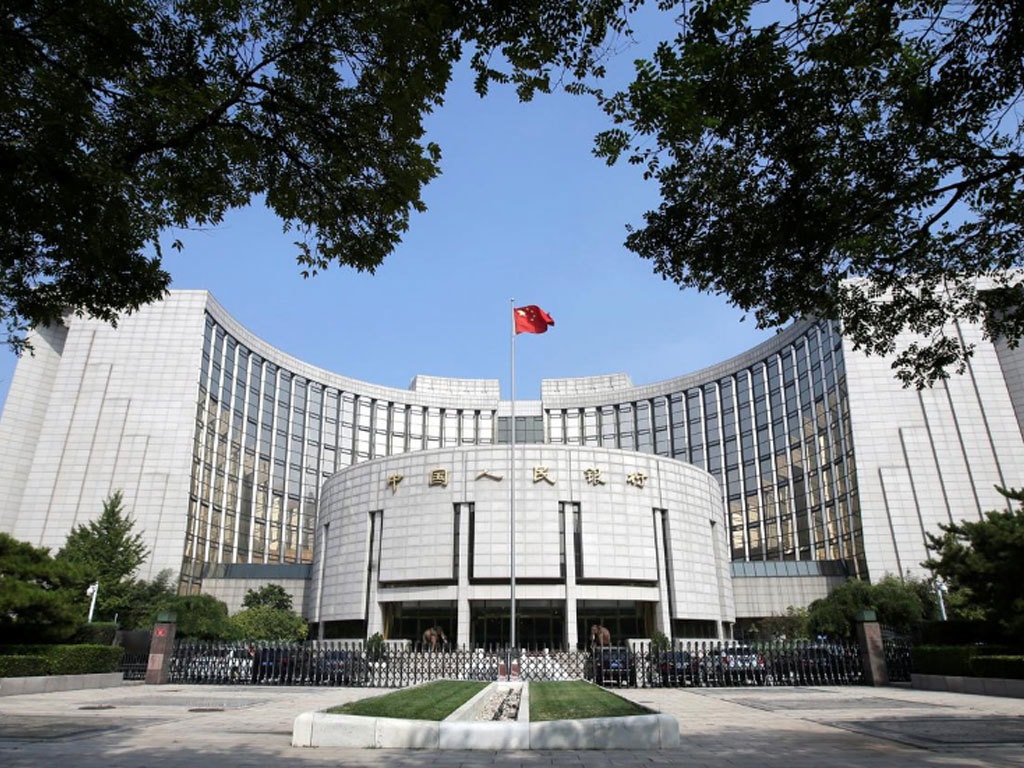

BEIJING: China should prepare for potential US sanctions by increasing use of its own financial messaging network for cross-border transactions in the mainland, Hong Kong and Macau, according to a report from the investment banking unit of Bank of China.
Chinese state lenders have been revamping contingency plans in anticipation of US legislation that could penalise banks for serving officials who implement the new national security for Hong Kong, Reuters reported earlier this month.
Greater use of the Cross-Border Interbank Payment System (CIPS) instead of the Belgium based SWIFT system would also reduce exposure of China's global payments data to the United States, BOC International (BOCI) said in the report, which was co-authored by a former foreign exchange regulator.
The bank's chief economist Guan Tao was previously a director of the international payments department of State Administration of Foreign Exchange (SAFE).
The report looked at potential measures the United States could take against Chinese banks, including cutting off their access to the SWIFT financial messaging service, a primary network used by banks globally to make financial transactions.
"A good punch to the enemy will save yourself from hundreds of punches from your enemies," the report wrote, amid deteriorating relating between the world's two largest economies. "We need to get prepared in advance, mentally and practically."
China launched the CIPS clearing and settlement services system in 2015 to help internationalise use of the yuan. Supervised by the central bank, CIPS said it processed 135.7 billion yuan ($19.4 billion) a day in 2019, with participation from 96 countries and regions.
The report said that if the United States were to take the extreme action of cutting off some Chinese banks' access to dollar settlements, China should also consider stopping using the US dollar as the anchor currency for its foreign exchange controls.
It also recommended that China develop legislation similar to the European Union's Blocking Statute, which allowed the EU to sustain trade and economic relations with Iran, a country targeted by US sanctions.
The chief financial officer of China's Huawei Technologies , the world's biggest producer of telecoms equipment, is currently fighting against extradition from Canada to the United States, where she is accused of bank fraud for misleading HSBC Holdings Plc about Huawei's relationship with a company operating in Iran, putting HSBC at risk of fines and penalties for breaking US sanctions.

























Comments
Comments are closed for this article.