


IMF says Malaysia to grow 4.5pc in 2017

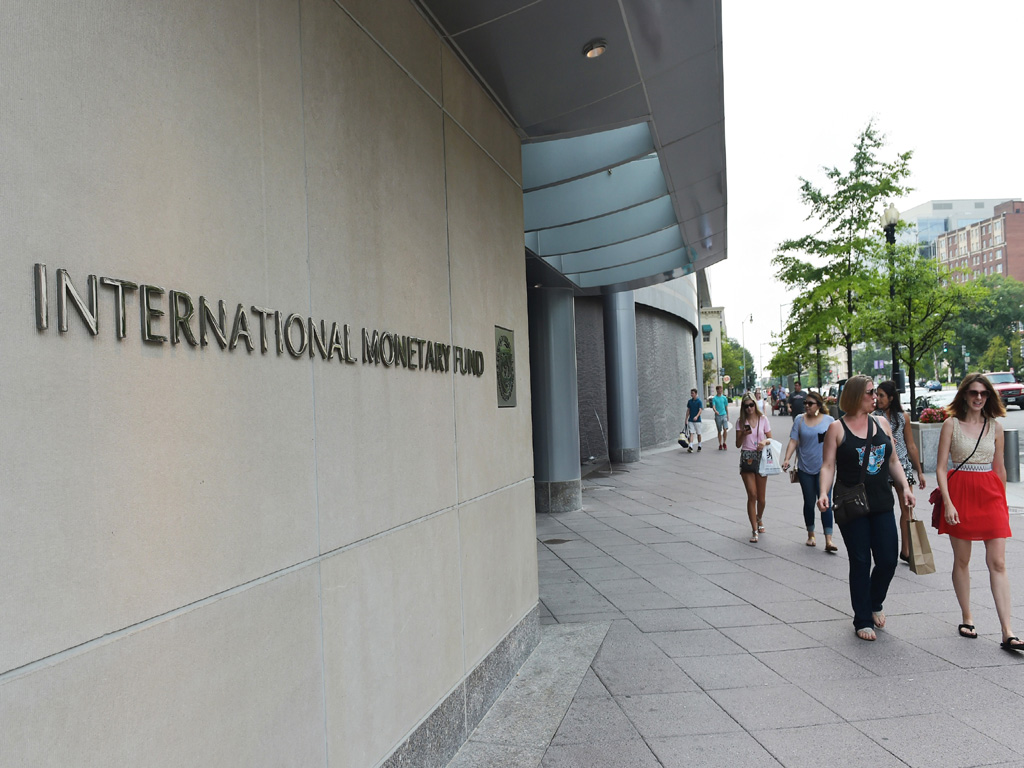 KUALA LUMPUR: Malaysia's economy is seen growing at 4.5 percent in 2017 on strong private consumption but will continue to suffer from weak commodity prices and slowing private investment, the International Monetary Fund (IMF) said on Thursday.
The Southeast Asian economy has been buffetted by poor demand for its exports of commodities and liquefied natural gas over the past year. In January, the government cut spending and revised its 2016 growth forecast down to 4.0-4.5 percent from 4.0-5.0 percent in January.
"While the Malaysian economy has adjusted well to lower global oil prices, sustained low commodity prices add to the challenges of fiscal consolidation," said IMF's Daisaku Kihara, who lead a two-week consultation mission to Malaysia in early December.
While Malaysia is a marginal oil exporter, it is the world's third largest exporter of LNG, contract prices for which are linked to crude prices.
"Heightened global financial stress could potentially spill over to domestic markets," Kihara said in a statement.
The IMF says Malaysia has performed well "despite significant headwinds" stemming from structurally weak growth in developed and emerging markets, and expects 2016 growth to come in at 4.2 percent aided by a diversified economy and a flexible exchange rate.
Medium term growth is seen at 4.5 to 5.0 percent.
Malaysia's ringgit, however, has been Asia's worst performing currency in recent weeks, at one point losing nearly 7 percent against the dollar following Donald Trump's U.S. presidential election win on Nov. 8.
To stem the decline, Malaysia's central bank stepped in and warned of "prompt supervisory intervention" against any individuals or banks engaged in ringgit trade in the offshore non-deliverable forwards (NDF) market.
IMF's Kihara says the current monetary policy "is appropriate in the baseline scenario of moderate growth, low inflation, and external uncertainties", but stressed the need for careful calibration to support growth while maintaining financial stability.
Kihara says Malaysia has made "significant progress" towards its goal of achieving high-income status, which need continued efforts towards structural reforms to boost longer-term economic growth.
But Malaysia will need to keep an eye on its "relatively high" household debt, and stay on track on its fiscal consolidation drive and goal of slashing its budget deficit to 3.0 percent in 2017, Kihara added.



















Comments
Comments are closed for this article.