



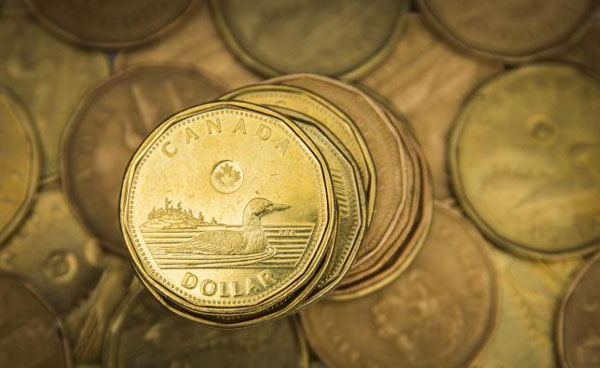
 LONDON: The currencies of major oil exporting nations, such as the Canadian dollar and the Norwegian crown, fell on Tuesday as crude prices hovered near seven-year lows, muddying the water for global growth and inflation prospects.
Growth-linked currencies like the Australian dollar also remained on the defensive after Chinese trade data for November did little to soothe concerns about China's economic slowdown.
With lower oil prices likely to add to global deflationary concern and Chinese data doing little to improve sentiment, risk appetite remained fragile. Stocks were in the red and safe-haven currencies like the yen and euro did well.
The Canadian currency fell 0.4 percent against the US dollar, to C$1.3555.
That was the US dollar's strongest level since mid-2004.
Similarly the Norwegian crown fell a six-week low against the euro. The euro rose 0.7 percent, to a high of 9.4570 crowns.
The dollar rose 0.6 percent. OPEC failed to agree on a production ceiling last Friday, meaning supply will continue to depress oil prices. The decision gave investors the green light to sell crude and the currencies of oil exporters.
"If you are looking to play weak oil prices, you would want to sell the Canadian dollar and the Norwegian crown," said Jeremy Stretch, head of currency strategy at CIBC World Markets. "With oil prices falling and some even talking about oil falling to $30 a barrel, revenues for these countries will take a beating and hence their currencies will remain under pressure."
Crude steadied on Tuesday but remained near seven-year lows.
Brent futures traded just above $41 a barrel and US crude at $37.94.
On Monday, they tumbled 6 percent and touched their lowest levels since February 2009.
The Australian dollar fell 0.6 percent to $0.7220 as this week's tumble in iron ore and the latest Chinese data weighted on the currency's woes.
Citi recommended that investors sell the Aussie through options.
"The weakness in the Chinese economy will spill over to Australia through commodities demand as well as reduced demand for the Australian dollar via reserves and other channels.
This should leave it vulnerable to an eventual leg higher in the dollar," they said. Meanwhile, the euro rose 0.2 percent to trade at $1.08585.
Details of a third-quarter gross domestic product report confirmed the economy grew at 0.3 percent, with domestic demand responsible for the increase.

























Comments
Comments are closed for this article.