


Textile sector voices its concerns over transporters’ strike
Pakistan's textile sector faces severe losses exceeding $900 million due to an ongoing nationwide transporters' strike, disrupting exports, raw materials, and threatening the country's economic stability and international trade reputation.
- Economic losses from the nationwide transporters' strike.
- Textile industry's plea for urgent government intervention.
- Threats to Pakistan's international trade reputation.
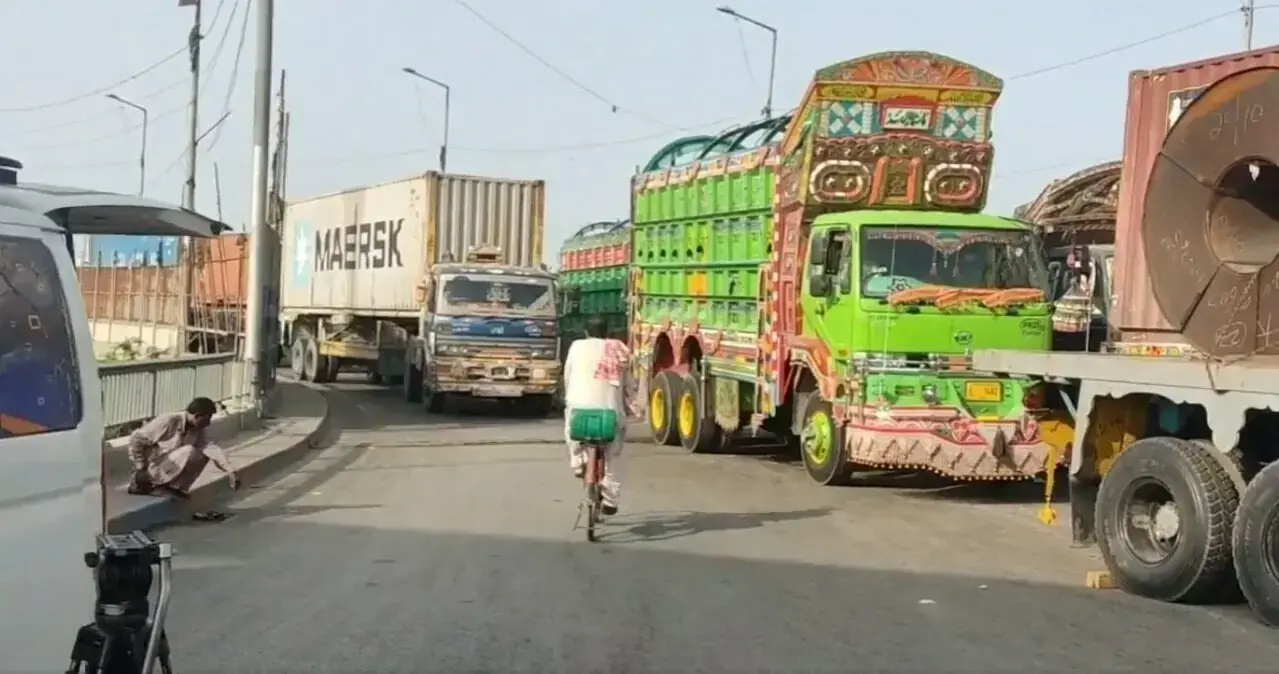

ISLAMABAD: Pakistan’s textile sector has expressed serious concern over the ongoing nationwide transporters’ strike, which entered its ninth day and has caused an estimated USD 900 million loss to exports and allied trade, according to the Pakistan Textile Exporters Association (PTEA).
PTEA Patron-in-Chief Khurram Mukhtar said the economic damage caused by the strike was becoming increasingly serious, with export shipments missed, buyer confidence shaken, raw materials stranded and factories facing shortages.
“PTEA estimates losses of nearly USD 900 million to exports and allied trade, shipments missed, buyer confidence shaken, raw materials stranded, and factories running dry. Domestic commerce is equally paralysed, with goods unable to move between provinces,” he said.
READ MORE: PHMA urges immediate end to goods transporters’ strike
Mukhtar said the situation was no longer merely a transporters’ dispute but had become a national economic crisis.
“Every day of inaction adds to the bill this country will pay for years. The government and transporters must resolve this immediately. Someone must take ownership before it’s too late,” he added.
Meanwhile, Pakistan Textile Council (PTC) has sought Prime Minister’s urgent personal intervention to resolve the nationwide goods transporters’ strike, which commenced on August 8, 2026, and has severely disrupted the movement of raw materials and export consignments across the country.
PTC Chairman Fawad Anwar, in a letter to the Prime Minister, said the textile and apparel industry depended on uninterrupted logistics for the movement of imported and locally sourced raw materials to manufacturing units and the timely transportation of finished export consignments to ports.
“Export containers are unable to move normally, imported raw materials are being held up at ports, and locally procured cotton and other inputs are facing difficulties in reaching mills,” he said.
Fawad Anwar acknowledged that the transporters’ demands involved issues requiring engagement between different levels and departments of government. However, he warned that the economic cost of allowing the deadlock to continue would increase with every passing day.
He called for the Prime Minister’s personal and immediate intervention to bring the concerned government authorities together for an early resolution of the issue.
The All Pakistan Textile Mills Association (APTMA) has also expressed serious concern over the ongoing strike, saying it has severely disrupted the movement of export consignments, imported raw materials and industrial inputs across the country.
APTMA Chairman Kamran Arshad said the prolonged suspension of freight movement was directly affecting Pakistan’s textile and apparel sector, which depended on the timely movement of cotton, yarn, fabric, dyes, chemicals, accessories, machinery parts and export shipments.
He said containers were stuck at ports and terminals, while exporters were facing delays in meeting shipment deadlines. The disruption was also creating shortages of raw materials and could force mills to curtail production if normal transport operations were not restored immediately.
Arshad warned that delays in export shipments could damage Pakistan’s credibility with international buyers and lead to cancellation of orders, penalties and loss of future business.
He said the textile sector, already facing high energy costs, liquidity pressures and intense regional competition, could not absorb further disruption to its supply chain.
Over the past year, similar disruptions in transport and logistics have affected export shipments and caused serious losses to industry, he said, adding that such disruptions weakened Pakistan’s reliability as a supplier and made it harder for exporters to retain international buyers.
Arshad said textile exports accounted for over 60 percent of Pakistan’s total exports but were stagnating at a time when export growth was critical for the country.
“Any further disruption to the textile supply chain will directly affect foreign exchange earnings, industrial production and employment,” he warned.
APTMA urged the federal government and all concerned authorities to immediately engage with transporters and resolve the issue through dialogue.
It also requested the Ministry of Maritime Affairs, port authorities, shipping lines and terminal operators to waive demurrage and detention charges incurred due to the strike.
“Swift restoration of the supply chain is essential to protect exports, industrial production, employment and foreign exchange earnings,” Arshad added.
Meanwhile, Minister for Planning, Development and Special Initiatives Ahsan Iqbal has expressed deep concern over the ongoing transporters’ strike, stressing that any disruption to Pakistan’s exports directly affects the national economy and the country’s wider economic interests.
He said several exporters were at risk of losing orders due to delays in transportation of goods, including one order worth nearly USD 1 million.
He stressed that protecting Pakistan’s reputation as a reliable trading partner in international markets was a shared national responsibility. Ahsan Iqbal urged transporters’ unions to immediately end the strike and return to the negotiating table. He said the government was ready to engage in meaningful dialogue and work towards a peaceful and workable resolution of their concerns.
Citing Bangladesh as an example, the minister said export logistics had been kept operational despite political protests, emphasising that uninterrupted exports were essential for economic stability and maintaining international trade confidence.
“Just as we endured great hardships to achieve our nuclear capability, today our greatest national mission is to protect and promote Pakistan’s exports,” he said.
Ahsan Iqbal stressed that the movement of export goods and the country’s logistics system must remain protected from disruption so that Pakistan could further strengthen its position as a reliable, stable and competitive trading partner in global markets.
Copyright Business Recorder, 2026


























Comments