


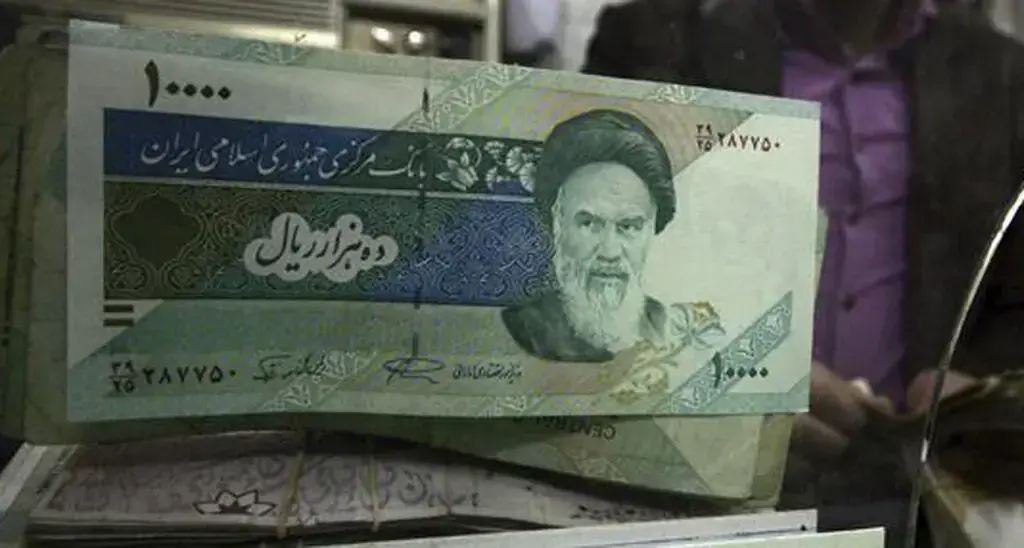

DUBAI: Iran’s currency dropped to a record low of 1,810,000 rials to the US dollar on Wednesday, the Iranian Student News Agency (ISNA) said, as demand for foreign exchange that built up during six weeks of fighting with the US and Israel is now flowing into the open market.
The rial has seen its value fall by nearly 15 percent in the last two days according to ISNA, after experiencing weeks of stability as demand for other currencies was inhibited due to war conditions and Iranian New Year holidays.
A ceasefire between the US and Iran has been in place since April 8, with Washington reverting to a policy of economic pressure by imposing a blockade on shipping to and from Iranian ports in the Gulf, making it harder for Iran to gain hard currency via exports. US and Israeli strikes on Iranian infrastructure have also battered the economy by forcing Tehran to suspend exports of steel and petrochemical products, which are important foreign currency earners for the heavily sanctioned country.
According to Iran’s central bank, year-on-year inflation for the Iranian month running from 20 March to 20 April was 65.8 percent, a trend which is likely to accelerate as Iran’s currency weakens and Tehran is faced with reconstruction needs.
In 2025, various factors such as geopolitical uncertainty led to Iran’s currency losing around 70 percent of its value to the dollar, which was the spark for nationwide anti-government protests with merchants from Tehran’s bazaar being the first to complain about unpredictable currency fluctuations and the difficulty of doing business.
ISNA said the sudden rise in foreign currencies’ values, including the euro and Emirati dirham, should be stabilised once currency contracts between Iranian institutions are activated and more hard currency reaches the open market.
Iranian currency tracking websites showed varying rates of between 1,760,000 and 1,810,000 rials to the US dollar.

























Comments