


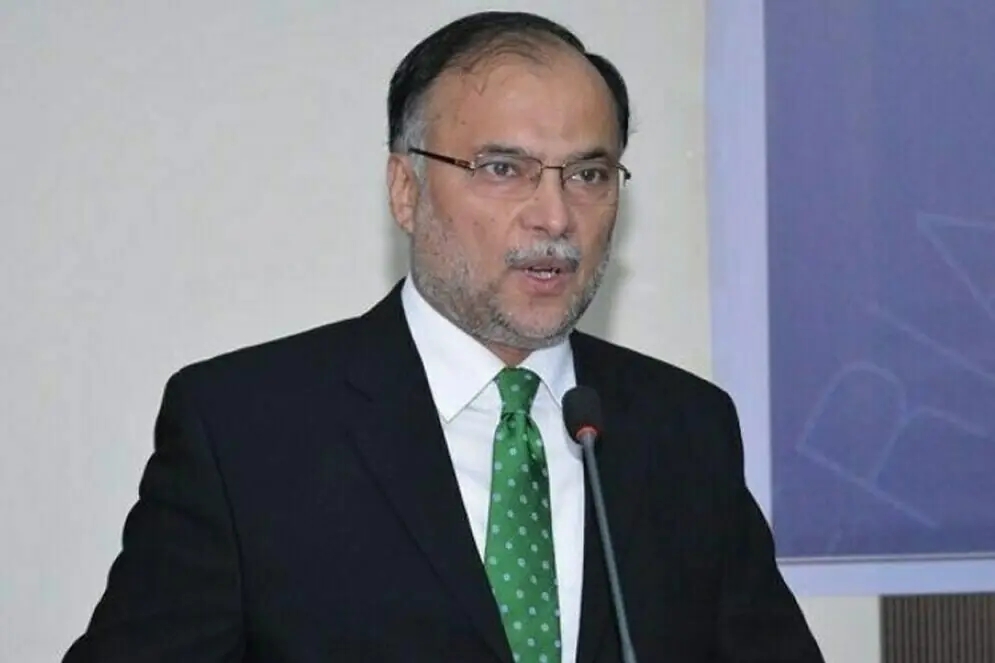

ISLAMABAD: Federal Minister for Planning and Development, Ahsan Iqbal, on Wednesday criticized the lingering impact of the colonial-era education system, which he claims continues to promote a mindset of subordination instead of fostering innovation and leadership in the country.
Speaking at the conclusion of the Leadership Excellence Workshop, hosted by the Pakistan Institute of Development Economics (PIDE), he argued that effective leadership is developed through continuous learning, vision, and training, rather than being an inherent quality.
He emphasized the need for reform within the education system, saying the country’s leadership gap is due to outdated policies that fail to prepare individuals for the challenges of a rapidly evolving world.
Iqbal pointed out that technical expertise constitutes just 10% of effective leadership, while the remaining 90% is shaped by soft skills, public engagement, and a strong commitment to a clear mission.
“The focus of leadership development must go beyond routine tasks,” he said, urging that it should instead focus on societal transformation, guiding institutions through technological change, and fostering innovation.
Iqbal expressed confidence that the workshop would have a positive impact on the professional growth of participants. He also commended PIDE for its role in promoting research-based policy reforms and urged the institute to continue strengthening its position as a key driver of institutional change.
Dr Nadeem Javaid, Vice Chancellor of PIDE, called the workshop a “meaningful opportunity” for participants and reaffirmed the institute’s commitment to providing high-quality training to support its policy advisory role.
The event was attended by professionals from various federal and provincial ministries, public sector institutions, and academia.
Copyright Business Recorder, 2026

























Comments
Comments are closed for this article.