


India’s January-October iron ore imports at six-year high, JSW Steel top buyer
- Average imports during 2019–2024 were 4.3 million metric tons a year, Ladkat said
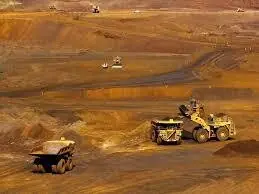

NEW DELHI: India’s iron ore imports hit a six-year high this year as steel mills stepped up overseas purchases to overcome shortages of high-grade ore and take advantage of lower global prices for the steelmaking raw material, analysts and trade officials said.
Iron ore imports more than doubled to over 10 million metric tons in the first 10 months of 2025 from a year earlier, Lalit Ladkat, senior analyst at London-headquartered CRU Group, told Reuters.
Between January and October, JSW Steel, the country’s biggest steelmaker by capacity, emerged as the top buyer of iron ore from overseas suppliers, analysts and officials said.
Average imports during 2019–2024 were 4.3 million metric tons a year, Ladkat said.
“In 2025, demand outpaced the domestic production and availability of higher-grade ores was a big concern,” Ladkat said, adding that delays in starting production at already auctioned mines were among the reasons supply growth was slowing.
Last month, the top civil servant at the Ministry of Steel ruled out any shortage of iron ore in the country.
Low import prices, along with the feasibility of importing for steel plants near ports, such as JSW Steel’s plant in the western state of Maharashtra, helped boost shipments, according to a senior government official and analysts.
India has been importing iron ore mainly from Brazil, Oman and Australia.
Brazilian miner Vale is preparing to meet rising iron ore demand from India, which could double its steel production by the end of the decade, CEO Gustavo Pimenta told Reuters last month.
This year, heavy rainfall in the eastern state of Odisha, which accounts for nearly 55% of India’s total iron ore output, led to lower production, according to commodities consultancy BigMint.
“Imports may exceed 11–12 million metric tons in FY26 and could remain elevated next year as well if domestic production or captive sourcing does not improve,” BigMint said, referring to the fiscal year to March 2026.
Iron ore output in India, also the world’s second-biggest crude steel producer, rose to 289 million metric tons in fiscal 2025, from 277 million metric tons a year earlier, according to government data. Earlier this year, the government urged steel mills to acquire iron ore mines overseas, while expressing concern over slow development in greenfield iron ore mines.

























Comments
Comments are closed for this article.