


Tejas’ crash gives birth to new questions about Indian defence readiness
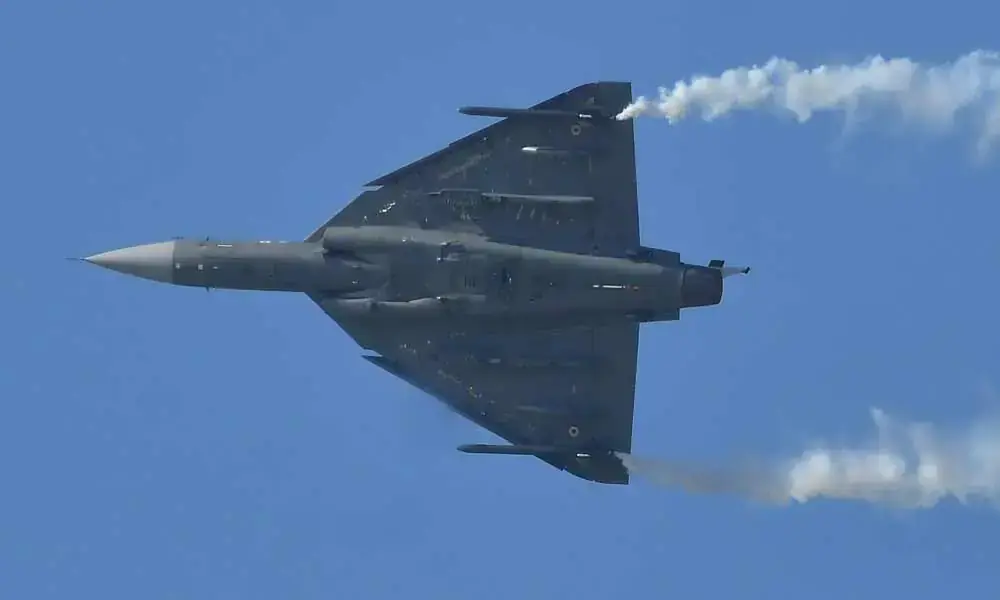

ISLAMABAD: India’s attempt to highlight its indigenous Tejas fighter jet at the Dubai Air Show backfired when the aircraft crashed during a rehearsal flight, prompting new questions about India’s defence readiness and manufacturing standards.
Pakistan’s defence officials said on Friday that Tejas went down moments after take-off, with early footage and images indicating potential structural or technical issues that may have existed before the flight. The incident has once again drawn attention to long-reported flaws in the Tejas programme, including panel misalignment, leakage, vibration problems and stability challenges at lower speeds.
India’s Tejas fighter aircraft crashes during demonstration at Dubai air show
The Indian Air Force (IAF) has repeatedly expressed reservations about the aircraft’s performance, range and maintenance requirements. The use of a GE-404 engine not fully matched to the airframe, along with incomplete software integration and pending radar upgrades, has also been cited as a major source of concern.
Indian Air Chief Marshal A P Singh, in remarks issued recently, had acknowledged chronic delays, unrealistic timelines and procurement gaps in major defence projects, comments now resurfacing as the Dubai crash brings structural weaknesses into sharper focus.
Analysts say the decision to fly the aircraft at a high-profile international venue despite visible defects reflects systemic issues in India’s defence ecosystem, where political pressure and image-building often outweigh technical readiness and safety assurance.
The crash, they note, has overshadowed India’s effort to project “self-reliance” in defence manufacturing and revived global scrutiny of its institutional capacity, engineering processes and quality-control mechanisms. While an investigation is under way, experts believe the incident underscores deeper challenges that cannot be masked by narrative or media promotion.
Copyright Business Recorder, 2025


























Comments
Comments are closed for this article.