


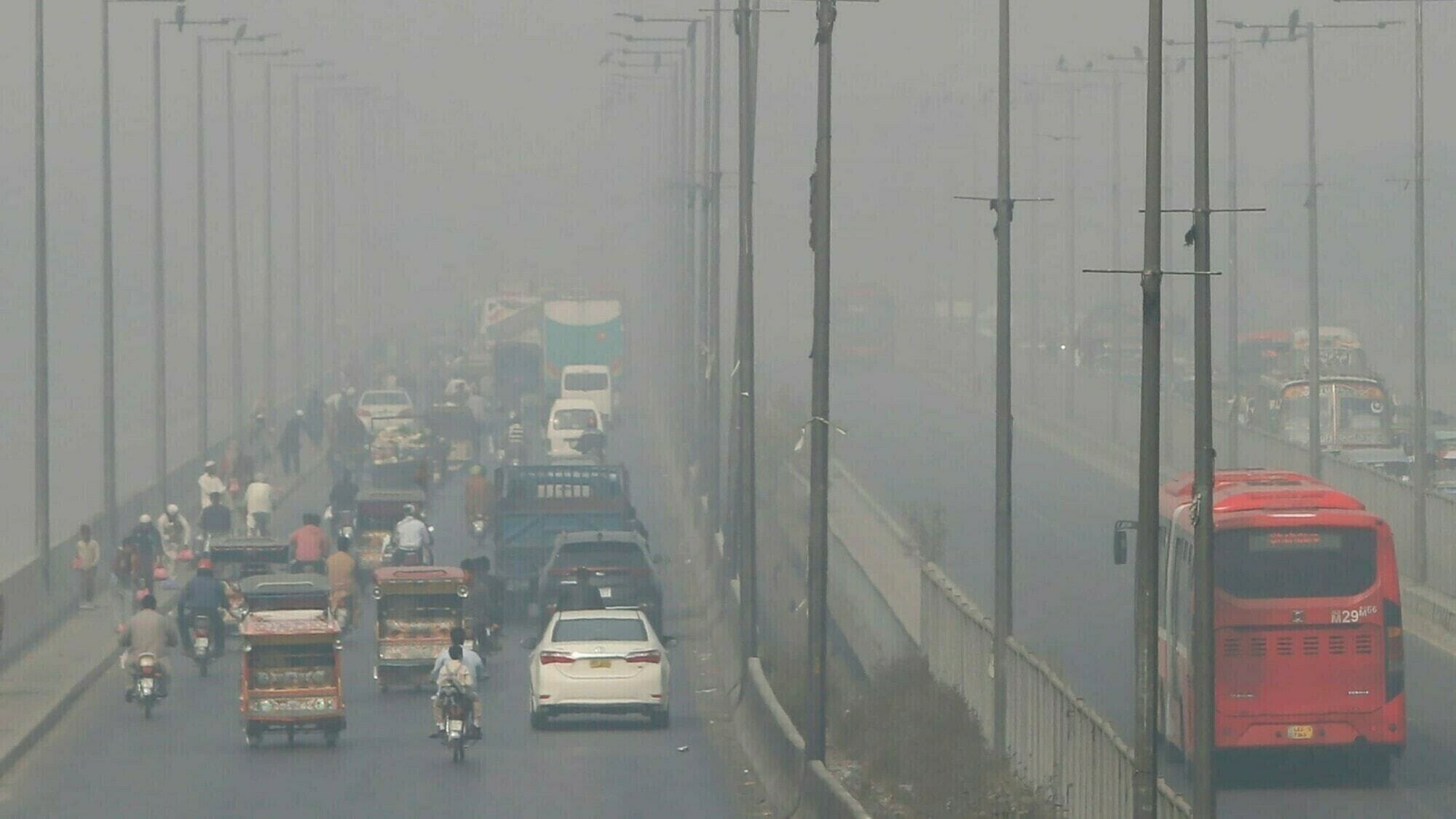
EDITORIAL: The Environment Protection and Climate Change Department (EPCCD) of Punjab has found itself at the centre of a fresh controversy after admitting that “due to a technical issue, AQI monitoring at some stations had been interrupted.”
The department, in a post on X, assured citizens that a team was working to restore the data and that the missing information would be available soon. But this admission came only after a storm of criticism erupted on social media, sparked by climate activists who accused the department of turning off air quality monitors at a time when Lahore’s pollution levels had soared to hazardous highs.
Screenshots shared by one prominent activist showed that several monitoring stations listed on the government’s official website — aqipunjab.com — had not updated their readings for hours, with some still displaying data from many days earlier. The activist claimed that the EPCCD had deliberately shut down several monitors in Lahore, while the ones left running were reading “beyond index” — a term used when pollution levels are so severe that they exceed the equipment’s measuring capacity.
Another user went further, suggesting a “strategic motive” behind the alleged shutdowns. In a sharply worded post, he wrote, “Punjab government’s new air quality strategy: if pollution levels look bad, just turn off the monitors. Eight out of ten monitors are shut beyond 10 p.m. in Lahore (when air quality dips further) to lower the average.” He tagged Punjab’s Senior Minister Marriyum Aurangzeb, urging her to ensure uninterrupted monitoring, noting that millions of rupees have already been spent on the air quality infrastructure.
The outrage is understandable. Lahore’s Air Quality Index (AQI) reportedly reached a hazardous 517 between 8 and 9 a.m. recently — a level at which simply breathing outdoors poses serious health risks to everyone. In such a situation, any perceived suppression or mishandling of environmental data becomes more than a technical issue; it becomes a matter of public trust and accountability. If the problem was indeed technical, the department should have been transparent from the outset. Timely and proactive communication can prevent misinformation and maintain credibility. But when officials remain silent until forced to respond, speculation fills the vacuum eroding trust in public institutions.
In recent years, Punjab has invested heavily in air monitoring infrastructure as part of a broader shift towards data-driven environmental policy. That investment must be matched with transparency, reliability, and the political will to confront pollution honestly, rather than manage its optics.
As smog season grips Lahore and other urban centres across the province, one thing is clear: fixing broken monitors will not be enough. What truly needs restoration is public confidence — the assurance that the government will face environmental reality, however unpleasant, with honesty, consistency, and an urgent science-based mitigation strategy.
Copyright Business Recorder, 2025

























Comments
Comments are closed for this article.