


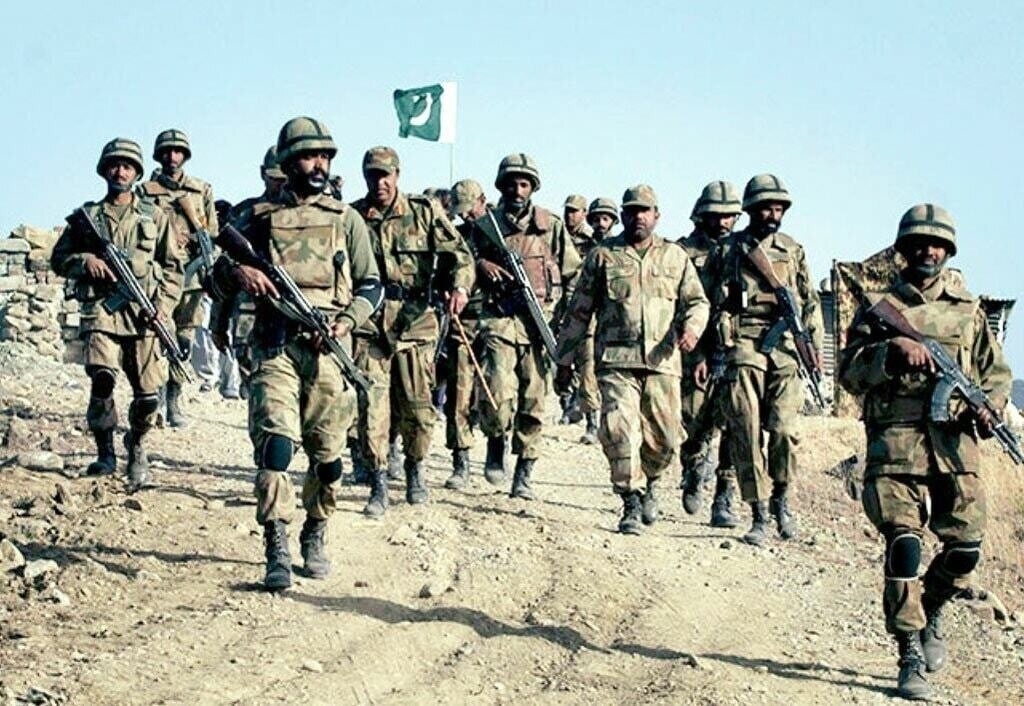
EDITORIAL: Pakistan’s military response along the western frontier was not sudden, impulsive, or unprovoked. It came after months, rather years, of restraint, repeated warnings, and countless diplomatic overtures urging the Taliban regime to act against the Tehreek-e-Taliban Pakistan (TTP) and affiliated groups operating freely from Afghan soil.
The decision to strike terrorist hideouts inside Afghanistan was not a choice — it was a necessity forced by Kabul’s continued indifference and its refusal to meet the minimum obligations of international law.
For years, Islamabad has maintained that it seeks stability, not confrontation, with its neighbour. It has called upon the Taliban regime to deny safe havens to militants, to dismantle their camps, and to prevent the use of Afghan territory for cross-border terrorism. Instead, Pakistan’s security forces have faced a rising tide of attacks originating from Afghanistan. Patience has limits. When unprovoked fire killed Pakistani soldiers and militants attempted infiltration along multiple border sectors, the threshold for tolerance was breached.
The Taliban leadership’s reaction was even more reckless. By launching attacks against Pakistani border posts and striking civilian areas after Pakistan’s precision operations against militant targets, Kabul demonstrated that it had chosen provocation over responsibility. The result was devastating for the attackers: over 200 militants eliminated, key strongholds destroyed, and multiple Afghan posts neutralised. The attempted infiltration was met with a decisive, “nose-breaking” response that re-established deterrence and sent a clear message — Pakistan will defend its sovereignty.
Equally troubling is the timing of these events. The assault coincided with the Afghan foreign minister’s visit to India, underlining the dangerous game being played in the region. Kabul’s decision to cosy up to New Delhi while its militants strike Pakistani forces is a strategic blunder of the highest order. The logic of “my enemy’s enemy” is as old as it is foolish; it has never served Afghanistan well.
Aligning with India’s interests in a bid to needle Pakistan will only deepen Afghanistan’s own isolation and insecurity. The international community already recognises that the Taliban government shelters groups like TTP, ISKP, and Al Qaeda. Siding with India to escalate tensions across the Durand Line will not earn Kabul sympathy; it will invite further mistrust.
Pakistan’s response, in contrast, has remained proportionate and deliberate. It has exercised its right to self-defence, not aggression. The military’s strikes were precise, targeted, and confined to terrorist infrastructure. Pakistan’s official position remains unchanged: it prefers dialogue, not conflict. Yet dialogue requires a partner willing to act in good faith. The Taliban regime has squandered that opportunity by allowing extremists to dictate its cross-border policy.
The next move, therefore, lies squarely with Kabul. If Afghanistan’s rulers truly care for their people, they will stop enabling groups that thrive on destabilisation. They must dismantle terrorist sanctuaries, prosecute cross-border attackers, and honour the commitments they have made to their neighbours and to the world. Islamabad cannot indefinitely absorb the cost of Kabul’s negligence.
Pakistan has shown both strength and restraint. It has proven that it will defend its borders but remains open to restoring stability through diplomacy. The choice before the Taliban is simple: to act as a responsible state or as a rogue actor in service of others’ agendas. The ball is still in Kabul’s court. The hope, faint as it may seem, is that it will finally make the right move.
Copyright Business Recorder, 2025


























Comments
Comments are closed for this article.