


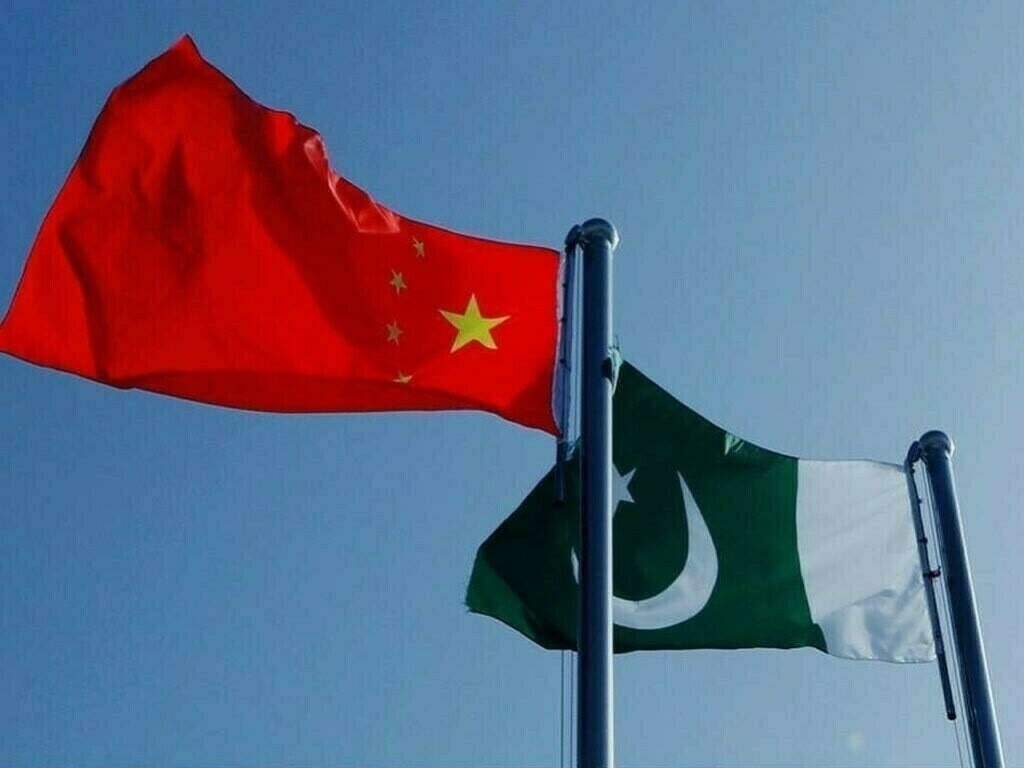

LAHORE: China has become Pakistan’s primary defence partner, supplying more than 80 percent of the country’s military hardware, according to a prominent Pakistani policy expert speaking in the United States capital.
According to a press statement issued here, Muhammad Mehdi, Chairman of the Institute of International Relations and Media Research, made these remarks during a luncheon hosted by the Pakistani American National Institute (PANI) in Washington. The event was organized in his honor by PANI Chairman Faiz Rehman, a senior journalist and prominent Pakistani-American community leader.
Mehdi emphasised that the United States has not supplied any military equipment to Pakistan over the past two decades, marking a significant shift in the traditional defense relationship between the two countries. This development has coincided with Pakistan’s growing reliance on Chinese military hardware.
Independent data from the Stockholm International Peace Research Institute (SIPRI) corroborates these claims, showing that China accounted for more than 80 percent of Pakistan’s arms imports during the past five years.
CPEC Progress and Challenges
Addressing the China-Pakistan Economic Corridor (CPEC), Mehdi acknowledged that the multibillion-dollar infrastructure project experienced a slowdown during former prime minister Imran Khan’s tenure due to what he described as “political reasons.”
However, he clarified that the project remains active, albeit progressing at a reduced pace.
Security concerns continue to pose significant challenges to CPEC implementation, despite China’s substantial investment of approximately USD 26 billion in various projects under the initiative, Mehdi noted.
Cultural and Strategic Considerations
The policy expert highlighted ongoing reservations within certain segments of Pakistani society regarding closer ties with China. “Many believe that Pakistan’s culture, traditions and history align more with the West,” he explained, suggesting that the strategic pivot toward China faces domestic skepticism.
During his meetings with American scholars, journalists, and policymakers in Washington, Mehdi observed considerable interest in understanding the evolving nature of the China-Pakistan relationship and its implications for regional dynamics.
In his welcoming remarks, PANI Chairman Faiz Rehman emphasised the critical importance of maintaining dialogue and fostering exchanges of ideas between nations, particularly during times of shifting geopolitical alignments.
The luncheon attracted several notable attendees, including policy experts Mowahid Shah, Dr Hassan Abbas, Fauzia Kasuri, Danial Kasuri, former Senator Dr Akbar Khawja, and Afshan Khawja.
This discussion comes at a time when Pakistan’s foreign policy relationships are undergoing significant transformation, with traditional partnerships being reassessed while new strategic alliances take shape in South Asia’s complex geopolitical landscape.
Copyright Business Recorder, 2025

























Comments
Comments are closed for this article.